
A refrigerator should hum quietly in the background—not compete with the TV or drown out conversation. When your fridge starts making unusual or excessive noise, it’s more than just an annoyance; it could signal a developing issue. Understanding the source of the sound can help you determine whether it’s normal operation, a simple fix, or a sign that professional service is needed.
Refrigerators produce a range of sounds during regular operation: gentle humming, occasional clicking, or bubbling. But when those sounds turn into grinding, rattling, or loud buzzing, it’s time to investigate. This guide breaks down the most common causes of noisy fridges, offers step-by-step troubleshooting, and helps you decide when to repair, maintain, or replace your appliance.
Common Types of Fridge Noises and What They Mean
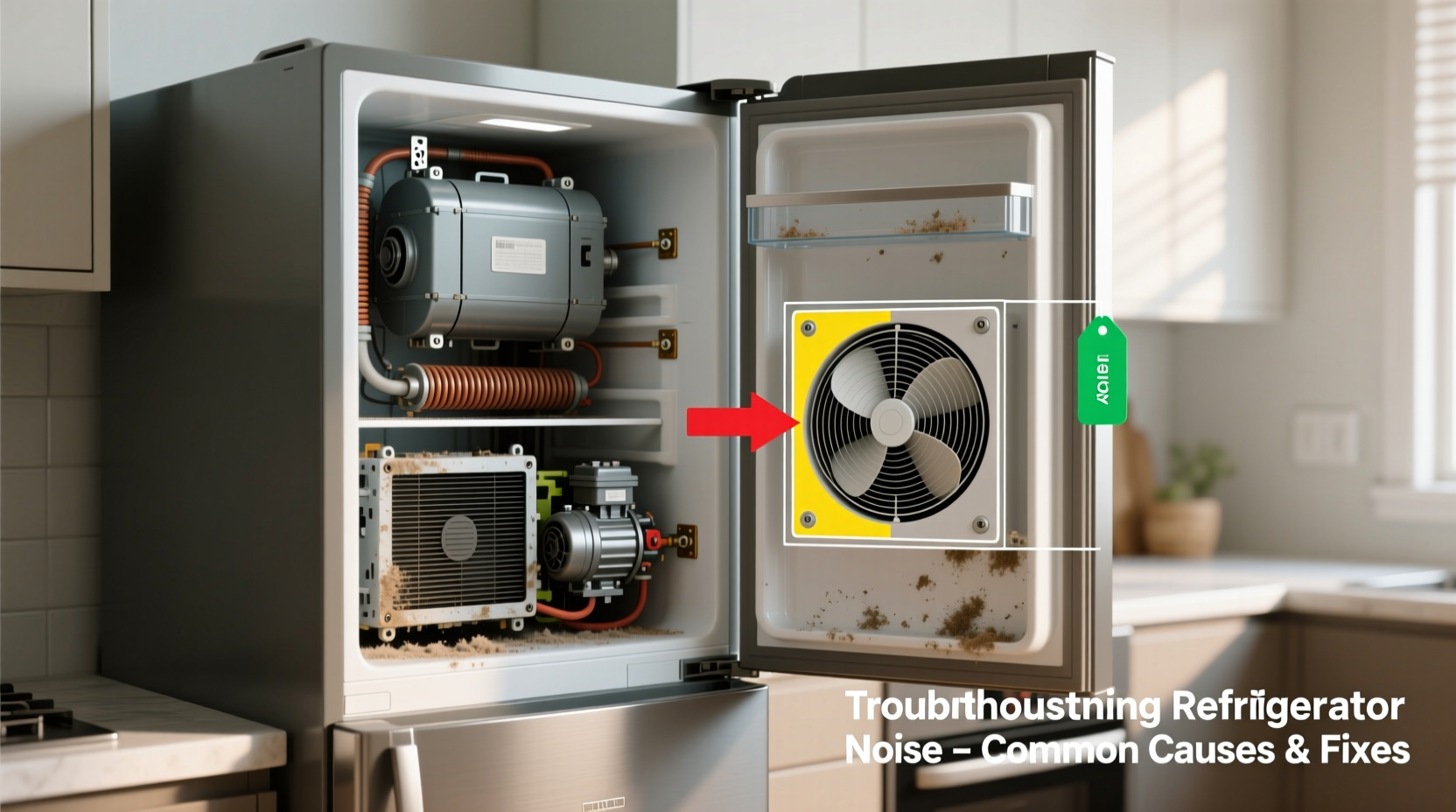
Not all fridge noises are created equal. Identifying the type of sound your refrigerator is making is the first step toward diagnosing the problem.
- Humming or Low Buzzing: Usually normal, caused by the compressor or water valve. If louder than usual, check for vibration or loose parts.
- Clicking: Often occurs when the thermostat cycles on or off. Frequent or sharp clicks may point to relay issues.
- Rattling or Vibrating: Typically due to unlevel placement, loose shelves, or contact with walls or cabinets.
- Gurgling or Bubbling: Caused by refrigerant moving through coils—common after a cooling cycle. Harmless unless persistent.
- Grinding or Squealing: May indicate failing fan motors or worn-out bearings—requires immediate attention.
- Hissing: Can result from defrost drain condensation or pressure release in modern frost-free models.
“Many homeowners panic at new fridge sounds, but context matters. Duration, intensity, and timing reveal whether it’s routine or risky.” — Luis Mendez, Appliance Repair Technician with 18 years of field experience
Step-by-Step Troubleshooting Guide
If your fridge has become unexpectedly loud, follow this systematic approach to isolate and resolve the issue.
- Unplug and Reassess: Turn off the fridge briefly. Listen when restarting. Does the noise return immediately or build over time?
- Check Leveling: Use a bubble level on the top shelf. Adjust the front leveling legs until the unit sits evenly. An unlevel fridge vibrates excessively.
- Inspect Clearance: Ensure at least 2 inches of space around the back and sides. Tight spaces amplify noise and restrict airflow.
- Examine Interior Components: Remove shelves and drawers. Close the door. If the noise stops, something inside was vibrating against the walls.
- Clean Condenser Coils: Located at the back or bottom front grille. Dust buildup forces the compressor to work harder, increasing noise.
- Listen for Fan Sounds: Open the freezer. If a high-pitched whirring or scraping occurs, the evaporator fan may be damaged.
- Test Water Supply (if applicable): For fridges with ice makers or dispensers, shut off the water line. If the buzz stops, the inlet valve may be faulty.
Fan and Motor Issues: The Usual Suspects
The two main fans in a refrigerator—the condenser fan (usually at the back or bottom) and the evaporator fan (inside the freezer)—are frequent sources of abnormal noise.
The condenser fan pulls air through the coils to cool the compressor. If it's clogged with dust or its motor bearings are worn, it may emit a loud drone or grinding sound. Unplug the fridge and inspect the fan blade for obstructions. Spin it gently—if it doesn’t rotate freely or wobbles, replacement is likely needed.
The evaporator fan circulates cold air from the freezer to the fridge compartment. A squealing or scraping noise when the cooling cycle starts often means this fan is failing. Access usually requires removing a rear panel in the freezer. Look for ice buildup restricting the blade or signs of motor wear.
| Fan Type | Location | Common Noise | Solution |
|---|---|---|---|
| Condenser Fan | Back or bottom front | Low grinding, buzzing | Clean coils, check for debris, replace motor if seized |
| Evaporator Fan | Inside freezer (rear panel) | Squealing, scraping | Defrost ice blockage, test motor function |
| Compressor | Bottom rear | Loud humming, knocking | Check mounts, consult technician |
Mini Case Study: The Ice Maker That Wouldn’t Quit
Sarah in Portland noticed her fridge started making a rhythmic buzzing every few minutes. It wasn’t constant, but disruptive enough to hear in the adjacent living room. She followed basic troubleshooting: checked leveling (fine), cleared space behind the unit (adequate), and cleaned the coils (dusty, but not extreme).
The noise seemed tied to the ice maker. She turned off the ice maker using the switch inside the freezer. The buzzing stopped. After further inspection, she discovered the water inlet valve was partially clogged, causing the solenoid to struggle during refill attempts. Replacing the valve for under $35 solved the issue.
This case highlights how component-specific problems—especially in newer fridges with dispensers and ice systems—can create misleadingly loud conditions that mimic major mechanical failure.
When the Compressor Is the Culprit
The compressor is the heart of your refrigerator, and while designed to last 10–15 years, it can develop issues that increase operational noise. A healthy compressor emits a steady, moderate hum. If the sound becomes excessively loud, pulsating, or includes knocking, internal wear or mounting failure may be to blame.
Check the compressor mountings at the bottom rear of the unit. Rubber grommets can degrade over time, allowing metal-on-metal contact. Tighten loose bolts or replace worn mounts. However, if the compressor itself is failing—indicated by overheating, oil leaks, or inconsistent cooling—it’s best to consult a professional. Compressor repairs are often cost-prohibitive compared to replacement.
Do’s and Don’ts of Fridge Noise Management
| Do’s | Don’ts |
|---|---|
| Level the fridge properly using adjustable feet | Ignore persistent grinding or screeching sounds |
| Clean condenser coils every 6 months | Overfill the fridge, blocking airflow vents |
| Leave space around the unit for ventilation | Place heavy items on top that may vibrate |
| Inspect fan blades for obstructions seasonally | Attempt internal electrical repairs without disconnecting power |
| Turn off ice maker to test for water valve noise | Delay service if cooling performance drops alongside noise |
FAQ
Is it normal for a new refrigerator to be loud?
Some new fridges have a break-in period where components settle, producing slightly louder hums for the first few days. However, any rattling, grinding, or vibration should be investigated. Modern units are generally quieter than older models.
Can a loud fridge increase my electricity bill?
Yes. Excessive noise often indicates inefficiency—such as dirty coils, failing fans, or compressor strain—which forces the unit to run longer and consume more energy. Addressing the cause can improve both noise levels and energy use.
Should I repair or replace a noisy refrigerator?
If your fridge is under five years old and under warranty, seek authorized service. For units over 10 years old with major component failures (compressor, sealed system), replacement is typically more economical and energy-efficient.
Conclusion: Take Action Before Noise Becomes Failure
A loud fridge isn’t just a household nuisance—it’s a warning sign that something needs attention. Most issues, from loose parts to dirty coils, are simple to fix and can extend your appliance’s life significantly. Ignoring unusual sounds, however, can lead to costly breakdowns and food spoilage.
Start with the basics: level the unit, clear space, clean the coils, and identify the noise type. Use the checklist and tables in this guide to narrow down potential causes. In many cases, a few minutes of inspection can restore quiet operation.




 浙公网安备
33010002000092号
浙公网安备
33010002000092号 浙B2-20120091-4
Comments
No comments yet. Why don't you start the discussion?