
A garbage disposal that hums but doesn’t spin is a common household frustration. The sound indicates power is reaching the unit, but something is preventing the blades from turning. This usually means a jam, foreign object blockage, or mechanical failure. Left unresolved, the issue can lead to motor burnout or water backup in the sink. The good news: most cases are fixable without calling a plumber. Understanding the root cause and knowing how to respond safely can save time, money, and prevent further damage.
Why Is My Garbage Disposal Humming?
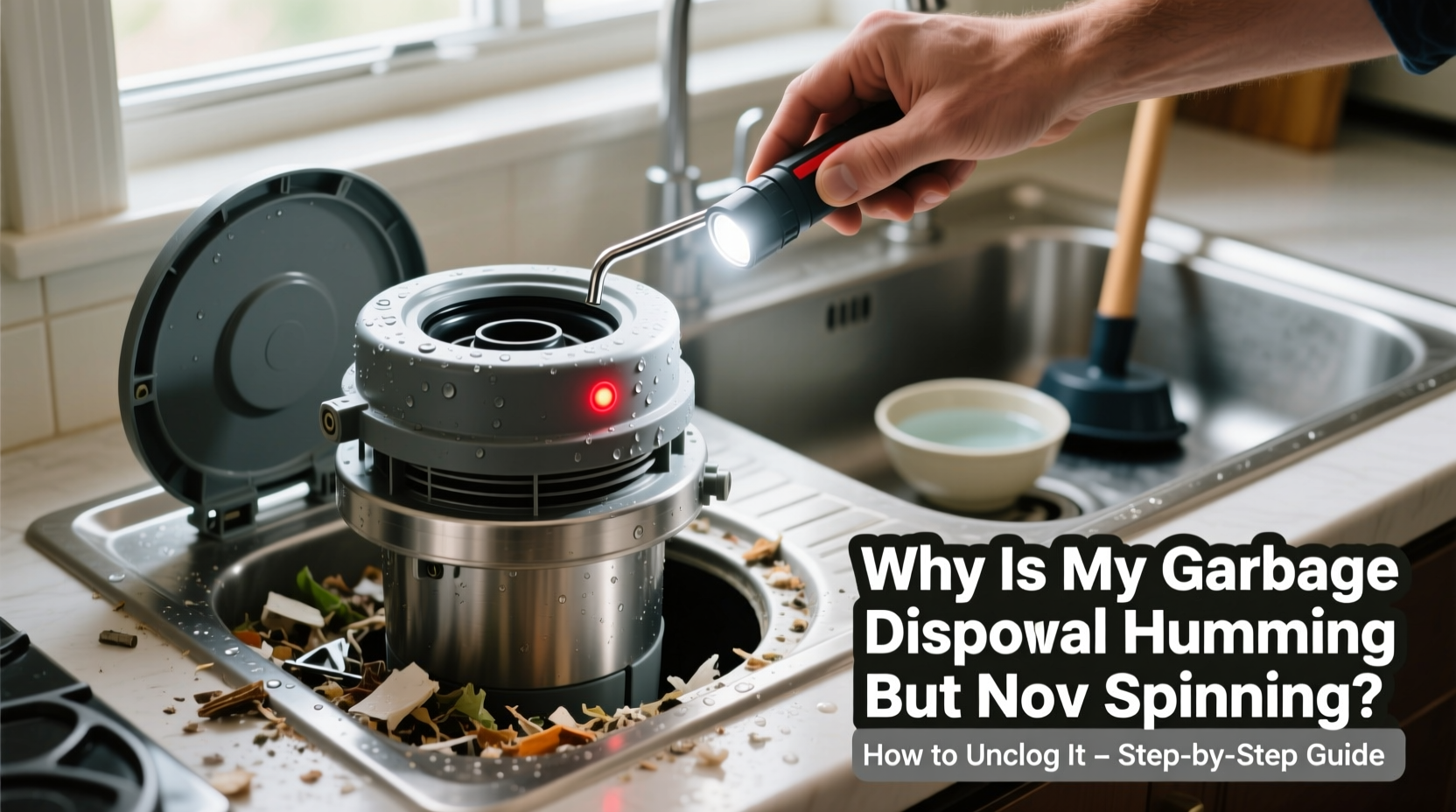
The humming noise signifies that electricity is flowing to the motor, but the grinding mechanism isn’t rotating. Unlike a completely silent unit—which suggests a power or wiring issue—a humming disposal points to a mechanical obstruction. When the motor tries to turn the impellers but can't, it creates a low-frequency buzz. This condition, known as a \"jammed disposal,\" stresses the motor and should be addressed immediately to avoid overheating or permanent damage.
Common causes include:
- Food debris buildup: Fibrous foods like celery, potato peels, or onion skins can tangle around the impellers.
- Foreign objects: Utensils, bottle caps, or silverware accidentally dropped into the drain.
- Hard materials: Bones, fruit pits, or coffee grounds compacted into a dense mass.
- Lack of water: Running the disposal without sufficient water leads to clogs and jams.
- Worn or damaged components: Over time, impellers wear down or internal parts loosen.
Step-by-Step Guide to Unclogging a Humming Garbage Disposal
Solving this issue requires methodical troubleshooting. Follow these steps carefully to restore function and avoid injury or electrical hazards.
- Turn off the power at the circuit breaker. Locate the correct switch for the disposal and flip it off. This is non-negotiable for safety. Even if the unit is controlled by a wall switch, cutting power at the panel ensures no accidental restart.
- Check for visible obstructions. Shine a flashlight into the disposal chamber. Look for any obvious items like cutlery or food clumps. Use needle-nose pliers (never fingers) to remove loose debris.
- Locate the hex wrench (allen key). Most disposals come with a 1/4-inch hex wrench stored under the sink or included in the original packaging. Insert it into the hole at the bottom center of the unit.
- Manually rotate the impellers. Turn the wrench back and forth in both directions. You’ll feel resistance if the unit is jammed. Keep working it until the shaft moves freely. This breaks up stuck material and frees the motor.
- Reset the disposal. Once rotation is restored, locate the red reset button on the bottom or lower side of the unit. Press it firmly. This resets the internal overload protector.
- Restore power and test. Turn the circuit breaker back on. Run cold water and switch on the disposal. If it spins normally, the problem is resolved. If it hums again, repeat the process or investigate further.
What If the Hex Wrench Doesn’t Work?
If manual rotation fails, the jam may be deeper or involve damaged components. Try using a wooden broom handle inserted into the top of the chamber. Gently push against the impeller to force movement. The wood prevents scratching metal parts. Avoid metal tools—they can damage the grinding chamber.
“Most disposal jams are caused by improper use, not mechanical failure. Regular maintenance and avoiding fibrous waste go a long way.” — Carlos Mendez, Master Plumber with 18 years of residential experience
Do’s and Don’ts of Garbage Disposal Use
Misuse is the leading cause of clogs and premature failure. Refer to this table to understand what helps—and what harms—your unit.
| Do’s | Don’ts |
|---|---|
| Run cold water before, during, and after use | Put grease, oil, or fat down the disposal |
| Grind small amounts of food waste at a time | Dispose of fibrous vegetables (celery, corn husks) |
| Use citrus peels occasionally to freshen the unit | Drop hard objects like bones or pits |
| Clean monthly with ice cubes and salt | Use hot water while grinding—it melts grease that later solidifies in pipes |
| Press the reset button after a jam | Ignore persistent humming or burning smells |
Real Example: A Kitchen Crisis Resolved
Jamie, a homeowner in Portland, noticed her disposal humming one morning after blending potato peels and eggshells. She turned it off immediately but didn’t know how to proceed. After reading online, she shut off the power, retrieved the hex wrench from under the sink, and attempted to rotate the shaft. It was frozen. Using a broom handle from above, she gently rocked the impeller back and forth. After several attempts, it moved. She reset the unit, restored power, and tested it with running water. The disposal spun smoothly. Jamie now avoids fibrous foods and runs citrus peels weekly to keep the unit fresh.
This scenario highlights the importance of patience and proper tools. Many people panic and repeatedly flip the switch, risking motor burnout. Jamie’s careful approach prevented costly repairs.
When to Call a Professional
While most jams are DIY-fixable, certain signs indicate a need for expert help:
- The disposal hums even after manual resetting.
- There’s a burning smell or smoke when attempting to start.
- Water leaks from the unit or connections.
- The reset button won’t stay engaged.
- Unusual grinding or rattling persists after clearing the jam.
Internal issues such as a broken flywheel, damaged motor bearings, or a failed capacitor may require disassembly or replacement. Licensed plumbers or electricians have the tools and expertise to diagnose these problems safely. Attempting deep repairs without experience can void warranties or create safety hazards.
Preventive Maintenance Checklist
Keep your disposal running smoothly with this routine:
- ✅ Run cold water for 15 seconds before and after each use.
- ✅ Grind only soft, non-fibrous food scraps.
- ✅ Clean monthly with ice cubes and rock salt.
- ✅ Flush with baking soda and vinegar every few weeks.
- ✅ Inspect for leaks or corrosion quarterly.
- ✅ Test the reset button periodically.
- ✅ Avoid using chemical drain cleaners—they corrode disposal components.
Frequently Asked Questions
Can I use a plunger on a garbage disposal?
Yes, but only after removing any standing water and ensuring the disposal is powered off. Use firm, controlled plunges to dislodge clogs in the drain pipe below. Do not plunge while the unit is on or plugged in.
Why does my disposal hum but only work sometimes?
Intermittent operation often means a partial jam or a failing motor. If the unit works after resetting but fails again shortly after, internal wear is likely. Consider replacing units older than 8–10 years.
Is it safe to pour bleach down the disposal?
In small, diluted amounts, yes—but sparingly. Bleach can sanitize and deodorize, but overuse damages rubber seals and metal parts. A safer alternative is a mix of lemon juice and baking soda.
Conclusion: Act Now to Prevent Costly Damage
A humming garbage disposal is a warning sign, not just an inconvenience. Ignoring it risks motor burnout, electrical issues, or plumbing backups. By understanding the causes and following safe, proven steps, most homeowners can resolve jams quickly and restore full function. Regular maintenance, mindful usage, and timely intervention extend the life of your unit and keep your kitchen running smoothly.




 浙公网安备
33010002000092号
浙公网安备
33010002000092号 浙B2-20120091-4
Comments
No comments yet. Why don't you start the discussion?