
A goldfish floating upside down is a distressing sight for any aquarium owner. While it may look comical at first, this behavior is a serious indicator of underlying health problems—most commonly related to diet and digestion. The condition often stems from swim bladder disorder, a dysfunction that affects the fish’s ability to maintain buoyancy. Understanding the causes and making strategic changes in feeding habits can reverse the issue and prevent recurrence.
The swim bladder is an internal gas-filled organ that helps fish control their depth in water. When compromised, the fish struggles to stay upright, often bobbing at the surface or resting awkwardly at the tank bottom. While several factors contribute to this problem—including poor water quality, infections, or physical deformities—diet plays the most significant role in otherwise healthy fish.
Understanding Swim Bladder Disorder
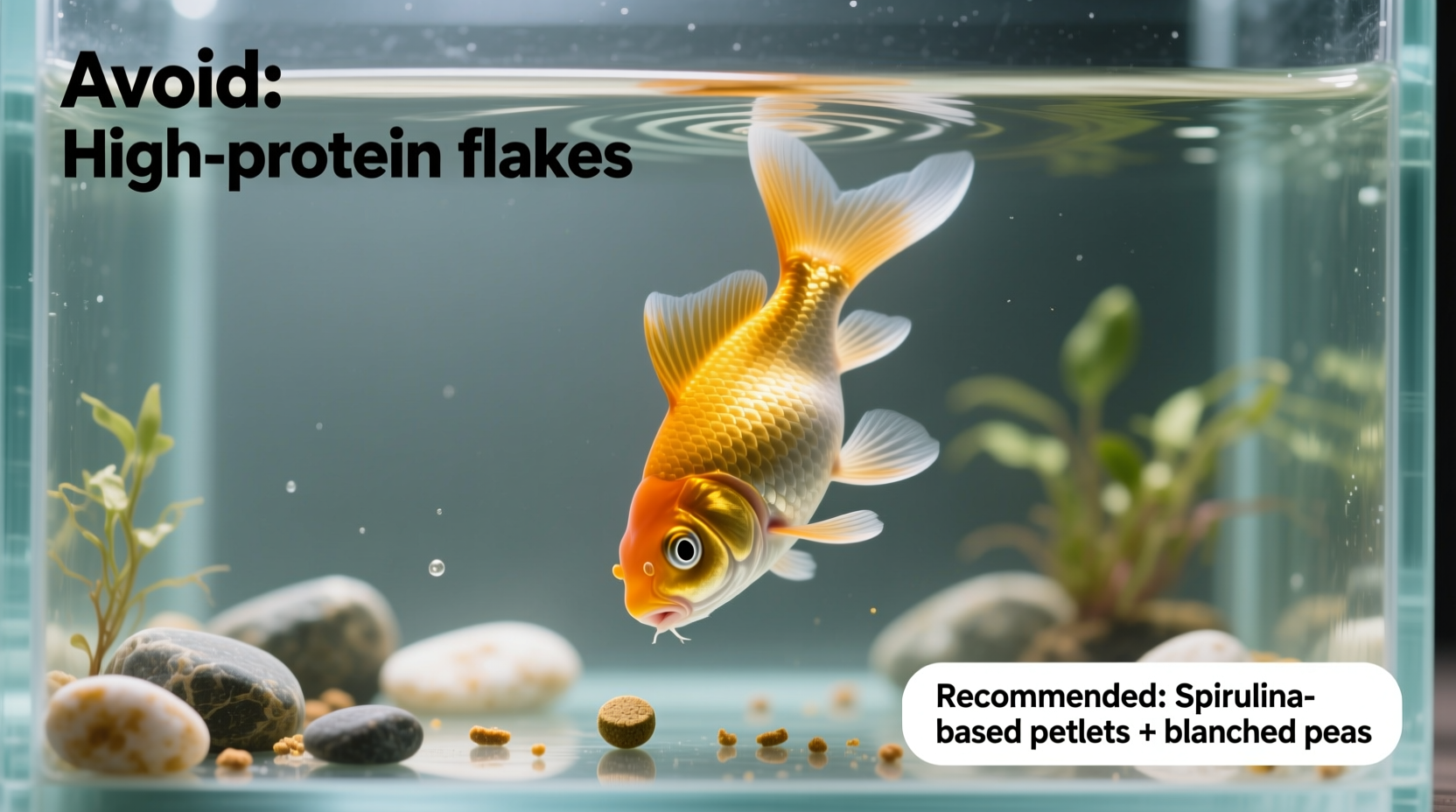
Swim bladder disorder isn’t a disease in itself but a symptom of physiological imbalance. It occurs when the swim bladder becomes compressed or inflamed, usually due to digestive issues. Goldfish are especially prone because of their body shape: fancy varieties like Orandas, Lionheads, and Ranchus have compact, rounded bodies that naturally put pressure on internal organs.
One of the primary culprits is air ingestion during feeding. Dry flake or pellet foods absorb water and expand inside the digestive tract, creating gas buildup. This expansion pushes against the swim bladder, impairing function. Overfeeding worsens the situation by overloading the digestive system.
“Swim bladder issues in goldfish are frequently linked to improper diet rather than infection. Adjusting food type and feeding technique resolves most cases.” — Dr. Lena Torres, Aquatic Veterinarian
Common Causes of Buoyancy Problems
- Dry pellet expansion: Pellets swell up to three times their size after ingestion, causing bloating.
- Overfeeding: Excess food leads to constipation and gas accumulation.
- Poor water conditions: Ammonia or nitrite spikes stress the fish, weakening immune and digestive systems.
- Cold water: Temperatures below 65°F slow digestion, increasing risk of blockages.
- Infections or parasites: Internal bacterial or parasitic infections can inflame the gut or swim bladder directly.
- Genetic predisposition: Some fancy goldfish are born with malformed swim bladders.
What to Feed Instead: A Better Diet for Goldfish
The key to resolving and preventing swim bladder issues lies in switching to easily digestible, low-air foods. The goal is to minimize gas production and ensure smooth passage through the digestive tract.
Soaked Pellets and Flakes
Before feeding, soak dry pellets or flakes in tank water for 5–10 minutes. This pre-hydration prevents internal expansion and reduces the risk of intestinal blockage. While not a long-term solution, it's an immediate step you can take if your fish is already showing symptoms.
Peas as a Natural Remedy
Blanched green peas are one of the most effective home remedies for constipation in goldfish. Their high fiber content helps move blockages through the digestive system. Remove the outer skin before feeding to make them easier to digest.
- Boil one or two fresh or frozen peas (no salt) for 1–2 minutes.
- Cool and remove the skins by gently squeezing.
- Feed half a pea per small goldfish once daily for 2–3 days.
High-Quality Sinking Pellets
Sinking pellets are preferable to floating ones because they encourage goldfish to feed from the bottom, reducing air intake. Look for brands with natural ingredients, minimal fillers, and balanced protein levels (around 30–35%). Avoid foods with excessive wheat or soy, which are hard to digest.
Live and Frozen Foods
Natural food sources like brine shrimp, daphnia, and bloodworms offer excellent nutrition and stimulate healthy digestion. Daphnia, in particular, acts as a mild laxative and helps clear intestinal buildup. Use these as supplements 2–3 times per week, not as a staple.
Vegetable Supplements
Goldfish benefit from plant matter. Offer small pieces of zucchini, spinach, or cucumber (blanched briefly) a few times a week. These provide fiber and mimic natural grazing behavior.
| Foods to Feed | Foods to Avoid |
|---|---|
| Soaked pellets | Dry, unsoaked flakes |
| Blanched peas | Bread or crackers |
| Sinking pellets | Floating pellets (especially puffed) |
| Daphnia, brine shrimp | Beef heart or red meat |
| Blanched vegetables | High-carbohydrate filler foods |
Step-by-Step Recovery Plan
If your goldfish is currently floating, follow this 7-day action plan to support recovery:
- Day 1: Fast the fish. Stop feeding for 24–48 hours to allow the digestive system to clear.
- Day 3: Introduce blanched peas. Feed half a deshelled pea. Monitor for improvement in buoyancy.
- Days 4–5: Resume feeding soaked pellets. Use high-quality sinking pellets soaked for 10 minutes prior.
- Days 6–7: Add daphnia or brine shrimp. Enhance digestion and nutrient absorption.
- Ongoing: Feed small portions twice daily, only what the fish consumes in 2 minutes.
Water Quality and Environmental Factors
No dietary fix will work in a poorly maintained tank. Goldfish produce more waste than most aquarium species, leading to rapid ammonia buildup. Poor water chemistry stresses the fish, suppresses immunity, and impairs digestion.
Maintain optimal conditions with the following parameters:
- Temperature: 68–74°F (20–23°C). Stable temperature aids digestion.
- pH: 7.0–7.8. Avoid sudden fluctuations.
- Ammonia/Nitrite: 0 ppm. Even trace amounts are toxic.
- Nitrate: Below 40 ppm. Perform weekly 25–30% water changes.
Ensure your tank has adequate filtration. Canister or sponge filters are ideal for goldfish tanks due to their high bioload. Also, avoid overcrowding—one common goldfish needs at least 20 gallons, with additional space for each extra fish.
Mini Case Study: Luna the Oranda
Luna, a 2-year-old Oranda, began floating sideways and struggling to reach food at the bottom of her 30-gallon tank. Her owner initially thought she was playful, but within days, she was upside down most of the time.
After testing water and finding elevated nitrates (60 ppm), a partial water change was performed. Feeding was paused for 48 hours, then reintroduced with soaked pellets and one deshelled pea daily. Within 72 hours, Luna began swimming normally. Over the next week, her owner switched to a diet of soaked sinking pellets and weekly daphnia treats. Water changes were increased to twice weekly, and a better filter was installed.
Two weeks later, Luna was swimming steadily, feeding from the bottom, and no longer floating. This case highlights how diet and environment interact to affect health—and how simple changes can yield fast results.
Prevention Checklist
To keep your goldfish healthy and prevent future buoyancy issues, use this checklist regularly:
- ✅ Soak all dry food before feeding
- ✅ Feed blanched peas once a week as maintenance
- ✅ Provide sinking, high-protein pellets
- ✅ Limit feeding to twice daily, small portions
- ✅ Perform weekly 25–30% water changes
- ✅ Test water parameters monthly (ammonia, nitrite, nitrate, pH)
- ✅ Maintain stable water temperature
- ✅ Include live or frozen foods 2–3 times per week
Frequently Asked Questions
Can swim bladder disorder be permanent?
In most cases, swim bladder issues are temporary and resolve with proper diet and care. However, if the fish has a congenital defect or severe internal damage, the condition may persist. Chronic cases require lifelong management with adjusted feeding and tank setup.
Is it safe to feed bread to goldfish?
No. Bread expands dramatically in water and is nearly indigestible for goldfish. It causes bloating, constipation, and pollutes the tank quickly. Avoid all human processed foods.
How long should I fast a goldfish with buoyancy issues?
A 24- to 48-hour fast is typically sufficient to allow the digestive tract to clear. Longer fasting periods can weaken the fish, so resume feeding with easily digestible options like peas or soaked pellets afterward.
Conclusion: Take Action for a Healthier Goldfish
An upside-down goldfish is a clear signal that something is wrong—usually in the diet or environment. By addressing feeding practices, switching to appropriate foods, and maintaining clean water, most cases improve within days. Prevention is far easier than treatment, and a few simple habits can spare your fish from unnecessary suffering.
Start today: check your current food, test your water, and prepare a batch of blanched peas. Small changes lead to dramatic improvements in your goldfish’s health and longevity. Your pet depends on you for more than just food—it needs informed, consistent care to thrive.




 浙公网安备
33010002000092号
浙公网安备
33010002000092号 浙B2-20120091-4
Comments
No comments yet. Why don't you start the discussion?