
It’s a common scenario: you rearrange your living space for better light, aesthetics, or simply a change of scenery. You carefully shift your beloved houseplant just a few feet—across the room, away from the window, or into a sunnier corner—and within days, it starts dropping leaves. You didn’t overwater, underfeed, or expose it to cold drafts. So what went wrong?
The answer lies in one of the most sensitive aspects of plant physiology: environmental adaptation. Even minor changes in location can trigger stress responses in indoor plants, and leaf drop is often the first visible sign. While unsettling, this reaction is usually temporary and manageable. Understanding the science behind it—and knowing exactly how to respond—can mean the difference between a recovering plant and a declining one.
Understanding Plant Stress and Environmental Sensitivity
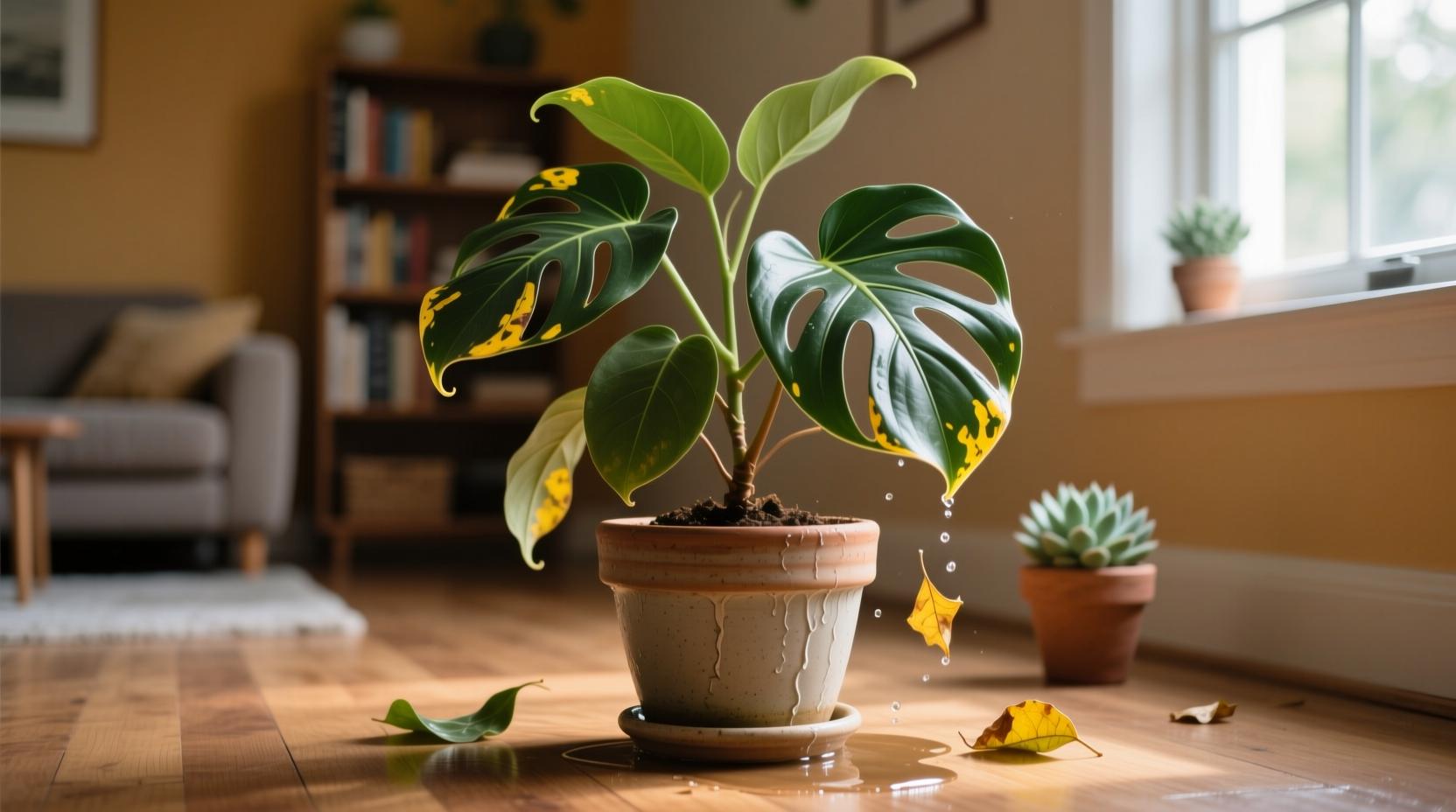
Plants are not passive decorations. They are dynamic organisms finely tuned to their surroundings. Light intensity, direction, temperature gradients, humidity levels, and even air circulation vary significantly within a single room. A move of just three feet can shift a plant from bright indirect light to low-light shade, or from a warm microclimate near a radiator to a cooler drafty zone.
When these conditions change suddenly, plants experience physiological stress. Unlike animals, they can't flee from discomfort. Instead, they adapt—or attempt to—by reallocating resources. Older leaves may be sacrificed to conserve energy while the plant focuses on root development or acclimating its photosynthetic systems to new light levels.
This process, known as abscission, is controlled by hormones like ethylene and auxin. When the balance shifts due to stress, the plant forms an abscission layer at the base of the leaf stem, severing the connection and allowing the leaf to fall. It’s a survival mechanism, not a death sentence.
“Plants don’t mind movement—they mind inconsistency. Sudden changes in light or airflow disrupt their metabolic rhythm, and leaf drop is often the first symptom.” — Dr. Lena Patel, Botanist and Indoor Plant Physiologist, University of Vermont
Key Factors That Trigger Leaf Drop After Relocation
Even subtle environmental differences can have outsized effects on sensitive species. Below are the primary culprits behind post-move leaf loss:
1. Changes in Light Intensity and Quality
Light is the engine of photosynthesis. A shift in position—even if both spots appear similarly bright to the human eye—can drastically alter the amount and spectrum of light a plant receives. For example:
- Moving from east-facing to north-facing exposure reduces light intensity by up to 60%.
- Placing a plant farther from a window reduces light exponentially (following the inverse square law).
- Shading from furniture, blinds, or nearby objects can create unintended low-light zones.
Plants like fiddle leaf figs, rubber plants, and crotons rely on consistent high light. A reduction forces them to shed lower or older leaves to redirect energy toward maintaining vital growth points.
2. Altered Airflow and Temperature Gradients
Air movement affects transpiration—the process by which plants release moisture through their leaves. Increased airflow from vents, ceiling fans, or open windows can dry out foliage and soil more quickly, stressing the plant. Conversely, stagnant air in corners can promote fungal issues and reduce gas exchange.
Temperature also plays a role. Floors are often cooler than tabletops, and proximity to HVAC vents creates microclimates that fluctuate daily. A plant moved near a cold air return in winter may experience nighttime chilling, triggering leaf abscission.
3. Humidity Shifts
Indoor humidity varies widely depending on room use and ventilation. Bathrooms and kitchens tend to be more humid; living rooms and bedrooms are often drier, especially in winter. Plants native to tropical environments—such as calatheas, ferns, and monsteras—are particularly sensitive to humidity drops.
A move from a humid side of the room (near a humidifier or kitchen) to a drier area can cause leaf edges to brown and entire leaves to drop as the plant struggles to maintain turgor pressure.
How Long Does Acclimation Take?
Most houseplants require **7 to 14 days** to begin adjusting to a new location. During this period, some leaf drop is normal, especially in the first week. However, significant or prolonged shedding beyond two weeks may indicate deeper issues.
The timeline varies by species:
| Plant Type | Acclimation Period | Common Reaction to Move |
|---|---|---|
| Fiddle Leaf Fig | 10–21 days | Drops lower leaves, especially if light decreases |
| Peace Lily | 5–10 days | Leaves droop first, then yellow and drop |
| Snake Plant | 3–7 days | Rarely drops leaves unless overwatered post-move |
| Monstera Deliciosa | 7–14 days | May drop one or two older leaves; new growth pauses |
| Calathea | 10–14 days | Sensitive to airflow and humidity; curls and drops leaves easily |
During acclimation, avoid making additional changes—don’t fertilize, repot, or prune heavily. Let the plant focus on stabilizing.
Step-by-Step Guide to Minimize Post-Move Stress
If you must move a houseplant, follow this sequence to reduce shock and prevent unnecessary leaf loss:
- Observe Current Conditions: Note light levels, temperature, and humidity where the plant currently sits. Use tools like a light meter app or hygrometer for accuracy.
- Prepare the New Spot in Advance: If possible, place the plant in its new location for a few hours each day over 3–5 days to ease the transition (a process called “hardening off”).
- Move at the Right Time: Relocate during the plant’s active growing season (spring or early summer) when recovery is faster. Avoid moves during winter dormancy.
- Adjust Care Gradually: After the move, withhold fertilizer for at least two weeks. Water only when the top inch of soil is dry—overwatering compounds stress.
- Monitor Daily: Check for signs of improvement (new leaf firmness, upright posture) or worsening (rapid yellowing, mushy stems).
- Stabilize Microclimate: Use a humidity tray, small fan for gentle airflow, or sheer curtain to diffuse intense light if needed.
- Wait Before Making Further Changes: Allow at least two weeks before rotating, pruning, or introducing new products like leaf shine.
Tips for Preventing Leaf Drop During Future Moves
Not all relocations can be avoided, but smart planning reduces risk. Consider these proactive strategies:
- Use movable plant caddies with wheels to allow gradual transitions.
- Group plants with similar needs together so a single microclimate supports multiple species.
- Label each plant’s preferred conditions (light level, water frequency) for quick reference during rearrangements.
- Avoid placing plants directly in front of HVAC vents or exterior doors.
Mini Case Study: The Fiddle Leaf Fig That Lost Its Leaves
Sarah, a plant enthusiast in Chicago, moved her fiddle leaf fig from a sunny corner near a south-facing window to a central spot in her living room—only six feet away. Within five days, three of the lowest leaves turned yellow and dropped. She hadn’t changed her watering routine, and pests were absent.
Upon measuring light levels, she discovered the new spot received less than half the photosynthetically active radiation (PAR) of the original. The plant was now in moderate light, whereas it had thrived in bright indirect conditions.
Sarah returned the plant to its original location and observed no further leaf drop. Over the next month, she gradually introduced it to a new east-facing spot by moving it incrementally—one foot per week—allowing acclimation. By the end of six weeks, the plant adapted successfully with zero leaf loss.
Her takeaway: even small distances matter, and patience is essential.
Checklist: What to Do When Your Plant Starts Dropping Leaves After a Move
Follow this actionable checklist to assess and respond effectively:
- ✅ Confirm the move was the most recent change (rule out watering, pests, disease).
- ✅ Measure light levels in both old and new locations using a smartphone light meter app.
- ✅ Check soil moisture—do not water unless dry to the touch.
- ✅ Inspect for pests (aphids, spider mites, scale) on leaf undersides and stems.
- ✅ Evaluate airflow—remove from direct fan or vent exposure.
- ✅ Increase humidity if below 40%, especially for tropical species.
- ✅ Wait 10–14 days before considering a reversal or further adjustment.
- ✅ Document changes and responses in a plant journal for future reference.
When to Worry: Signs Beyond Normal Adjustment
Some leaf drop is expected. But certain symptoms suggest more serious problems:
- Multiple leaves dropping daily – indicates ongoing stress.
- New growth wilting or deforming – points to root or nutrient issues.
- Soft, mushy stems – likely root rot from overwatering during stress.
- White powdery residue or webbing – signs of fungal infection or spider mites.
If these occur, consider returning the plant to its original location temporarily while diagnosing other factors.
Frequently Asked Questions
Will my plant recover after dropping leaves from being moved?
Yes, in most cases. As long as the roots are healthy and environmental conditions stabilize, the plant will stop dropping leaves within 2–3 weeks and resume normal growth. Patience and consistent care are key.
Should I return my plant to its original spot if it starts losing leaves?
Only if the new location is significantly worse in terms of light or climate. Otherwise, give it at least 10–14 days to adjust. Frequent back-and-forth movements increase stress. If you must revert, do so gradually.
Can I speed up the acclimation process?
You can support it—but not rush it. Provide optimal humidity, avoid fertilization, and ensure proper watering. Some growers use grow lights to supplement low light during transition, which can help maintain energy levels.
Conclusion: Stability Is the Best Care
Your houseplant isn’t fragile—it’s finely attuned. The leaf drop you see after moving it across the room isn’t failure; it’s feedback. It tells you that something has changed, and the plant is recalibrating.
By understanding the hidden variables—light gradients, air currents, humidity pockets—you gain the power to create stable, nurturing environments even within small spaces. The goal isn’t to keep plants static, but to move them wisely, gradually, and with intention.
Next time you consider a rearrangement, pause and ask: Is this move necessary? Can it be done in stages? Your plant may not speak, but it communicates clearly through its leaves. Listen closely, respond with care, and you’ll cultivate not just healthier plants, but a deeper connection to their quiet, resilient lives.




 浙公网安备
33010002000092号
浙公网安备
33010002000092号 浙B2-20120091-4
Comments
No comments yet. Why don't you start the discussion?