
Kombucha’s effervescence is one of its most prized qualities—those delicate bubbles that dance on the tongue are a hallmark of a well-crafted brew. Yet, many home fermenters face the disappointment of opening a batch only to find flat, lifeless liquid instead of the crisp fizz they hoped for. While multiple factors influence carbonation, two of the most critical—and often overlooked—are fermentation temperature and time. Understanding how these elements interact can transform inconsistent results into reliably bubbly success.
The lack of fizz typically points to issues in the second fermentation stage, where carbon dioxide is trapped under pressure to create natural carbonation. However, problems originating in the first (primary) fermentation can also undermine this process. Temperature fluctuations, insufficient sugar conversion, or inadequate yeast activity all play roles. By fine-tuning your approach to time and heat, you gain control over the microbial ecosystem driving your brew.
The Science Behind Kombucha Carbonation
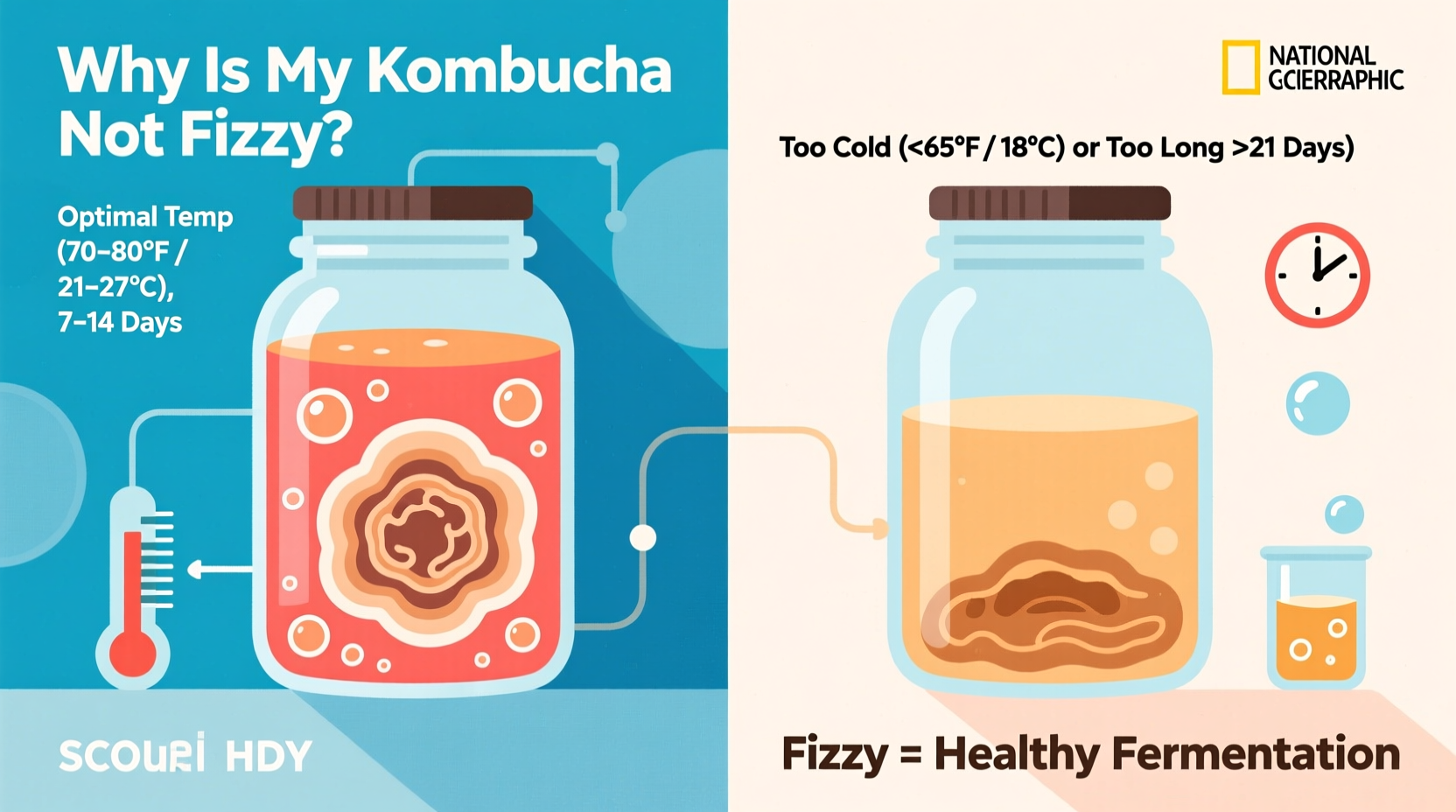
Carbonation in kombucha occurs when yeast consumes sugar and produces alcohol and carbon dioxide (CO₂). In a sealed environment during the second fermentation, this CO₂ dissolves into the liquid, creating bubbles. The balance between yeast and bacteria in the SCOBY (Symbiotic Culture Of Bacteria and Yeast) determines how efficiently this process unfolds.
Yeast strains such as Saccharomyces cerevisiae and Zygosaccharomyces bailii are primarily responsible for gas production. These microbes thrive under specific conditions—especially regarding temperature and nutrient availability. If temperatures fall too low, yeast metabolism slows dramatically; if too high, the culture may become unbalanced or die off. Similarly, fermentation duration must allow enough time for gas buildup without over-acidifying the brew.
It's important to distinguish between primary and secondary fermentation:
- Primary Fermentation: Lasts 7–14 days and establishes acidity, flavor profile, and initial alcohol content. This phase sets the foundation for carbonation but does not produce significant fizz.
- Secondary Fermentation: Typically lasts 3–7 days in sealed bottles. This is where carbonation develops, provided active yeast remains and sugars are available.
If either phase is compromised by improper temperature or timing, the final product will lack sparkle.
How Temperature Affects Fermentation and Fizz
Temperature is arguably the most influential environmental factor in kombucha brewing. The ideal range for primary fermentation is between 75°F and 80°F (24°C–27°C). Within this window, both yeast and bacteria remain active and balanced. Outside of it, problems arise.
When temperatures drop below 70°F (21°C), yeast activity diminishes significantly. Cold environments slow metabolic rates, delaying fermentation and reducing CO₂ output. Conversely, temperatures above 85°F (29°C) favor bacterial growth over yeast, leading to overly acidic, vinegary kombucha with little residual sugar for carbonation.
A real-world example illustrates this: A home brewer in Portland, Oregon, struggled with flat batches each winter. Her kitchen averaged 68°F due to uninsulated walls. After placing her jar on a heating mat set to 78°F, she achieved consistent fizz within two weeks. The difference wasn’t in ingredients or technique—it was thermal stability.
“Consistent temperature is non-negotiable for reliable kombucha fermentation. Even short cold snaps can stall yeast long enough to ruin carbonation potential.” — Dr. Lena Torres, Microbial Fermentation Scientist, University of Vermont
Temperature Zones and Their Effects
| Temperature Range | Effect on Fermentation | Impact on Carbonation |
|---|---|---|
| Below 68°F (20°C) | Slow or stalled fermentation; weak yeast activity | Limited CO₂ production; flat final product |
| 68°F–75°F (20°C–24°C) | Moderate fermentation; slightly delayed timeline | Reduced but possible carbonation |
| 75°F–80°F (24°C–27°C) | Optimal balance of yeast and bacteria | Strong carbonation potential |
| 80°F–85°F (27°C–29°C) | Faster acidification; risk of over-souring | May reduce residual sugar, limiting fizz |
| Above 85°F (29°C) | Bacterial dominance; possible SCOBY damage | Poor carbonation due to yeast inhibition |
Time: Balancing Fermentation Duration for Maximum Fizz
Timing is just as crucial as temperature. Too short a primary fermentation leaves excess sugar, which might seem beneficial for carbonation—but it also means insufficient acid development, increasing contamination risk. Too long, and the kombucha becomes overly tart, with most sugars already consumed, leaving nothing for the yeast to ferment during bottling.
The sweet spot for primary fermentation is usually 7 to 10 days at optimal temperatures. During this time, pH should drop from around 5.0 initially to between 2.5 and 3.5. Use pH strips to monitor progress. Once acidity stabilizes and sweetness decreases noticeably, it’s time to bottle.
In secondary fermentation, timing depends on ambient warmth and sugar content. Most brewers see visible carbonation within 3 to 5 days when kept at 75°F+ (24°C+). However, cooler rooms (below 72°F) may require up to 10 days. Patience is key—but so is vigilance. Over-carbonation can lead to exploding bottles, especially with overly sugared recipes.
Step-by-Step Guide to Optimizing Time and Temperature
- Monitor Room Temperature Daily: Use a digital thermometer near your brewing station. Avoid drafty areas, windowsills, or kitchens with wide thermal swings.
- Adjust for Seasonal Changes: In winter, consider a fermentation heater mat. In summer, move jars away from direct sunlight or hot appliances.
- Standardize Your Brew Schedule: Start new batches on the same day weekly or biweekly to maintain rhythm and consistency.
- Bottle at the Right Moment: Taste-test after 7 days. Ideal bottling point: slightly sweet, mildly tangy, pH ~3.0–3.5.
- Add Carbonation Boosters: Include 1–2 tablespoons of fruit juice, ginger, or extra sugar per quart in bottles to feed yeast during secondary fermentation.
- Store Bottles Warm (75°F–80°F) for 3–7 Days: After bottling, place in a warm cupboard or closet. Check daily for pressure buildup by gently squeezing plastic test bottles (if using) or “burping” one glass bottle carefully.
- Refrigerate Promptly: Once desired fizz is achieved, refrigerate all bottles to halt fermentation and preserve carbonation.
Common Pitfalls and How to Avoid Them
Even experienced brewers make mistakes that sabotage fizz. Here are frequent errors tied to temperature and timing:
- Refrigerating Too Soon: Chilling kombucha before secondary fermentation completes halts yeast activity prematurely, resulting in flat drinks.
- Using Old or Weak SCOBYs: Overused or poorly stored cultures lose vitality. Rotate fresh SCOBYs every few batches.
- Inconsistent Heating: Turning heaters on/off creates thermal stress, disrupting microbial balance.
- Over-Fermenting Primary Brew: Leaving kombucha too long in the first stage consumes all fermentable sugars, leaving nothing for carbonation.
- Insufficient Headspace in Bottles: Fill bottles only to 1–2 inches below the rim to allow room for gas expansion.
Do’s and Don’ts of Temperature and Timing Management
| Do | Don’t |
|---|---|
| Keep fermentation area between 75°F–80°F | Place jars near air conditioning vents or radiators |
| Use a heating pad with thermostat control | Expose brew to direct sunlight (can overheat) |
| Check pH and taste regularly after day 7 | Assume all batches ferment at the same rate |
| Allow 3–7 days for secondary fermentation | Leave bottles unrefrigerated beyond 10 days |
| Label bottles with start date of second ferment | Ignore signs of mold or off smells |
Mini Case Study: From Flat to Fizzy in One Batch
Sarah, a home brewer in Minnesota, had brewed kombucha for six months with inconsistent results. Her winter batches were consistently flat, despite following the same recipe. She used organic tea, cane sugar, and added blueberry juice before bottling. But no matter what, the fizz never developed.
After tracking her kitchen temperature, she discovered it averaged 66°F overnight and peaked at 71°F during the day—well below the ideal range. She purchased a small fermentation heater and placed her jar on it, maintaining 77°F continuously. For her next batch, she shortened the primary ferment to 8 days (down from 12), bottled with fresh ginger and a splash of pineapple juice, and stored the bottles in the same warmed space.
On day 5 of secondary fermentation, she tested one bottle—crisp, lively bubbles greeted her. The change wasn’t in ingredients, but in thermal consistency and adjusted timing. Sarah now enjoys reliably fizzy kombucha year-round.
FAQ: Frequently Asked Questions
Why is my kombucha fizzy at first but then goes flat?
This often happens if bottles aren’t sealed tightly or if fermentation continues slowly in the fridge. Once chilled, kombucha should retain carbonation unless opened. If fizz disappears over days in the refrigerator, check bottle seals or consider switching to higher-quality swing-top closures.
Can I re-bottle flat kombucha to make it fizzy?
Yes. Open flat bottles, add 1/2 teaspoon of sugar or fruit juice per 16 oz, reseal, and return to a warm location for 2–4 days. Monitor closely to avoid over-pressurization.
Does sugar type affect carbonation?
Yes. Refined white sugar is most predictable because it’s easily fermentable. Honey, maple syrup, or coconut sugar contain complex compounds that some yeast strains struggle to break down, potentially reducing fizz. Stick to simple sugars for reliable results.
Final Checklist for Fizzy Success
- Confirm ambient temperature is 75°F–80°F (24°C–27°C).
- Use a healthy, active SCOBY less than 6 batches old.
- Limit primary fermentation to 7–10 days; taste and test pH before bottling.
- Add 1–2 tbsp of fermentable sugar per quart during bottling (fruit juice, honey, etc.).
- Seal bottles tightly and store in a warm, dark place for 3–7 days.
- Refrigerate promptly once carbonation is achieved.
- Always \"burp\" a test bottle carefully before opening others.
Conclusion: Take Control of Your Kombucha’s Fizz
Flat kombucha doesn’t mean failure—it’s feedback. Temperature and time are levers you can adjust to achieve the sparkling results you desire. With careful observation, consistent conditions, and attention to microbial rhythms, you’ll turn unpredictable outcomes into a repeatable craft. Brewing great kombucha isn’t about perfection; it’s about learning from each batch and refining your method.




 浙公网安备
33010002000092号
浙公网安备
33010002000092号 浙B2-20120091-4
Comments
No comments yet. Why don't you start the discussion?