
Left eye twitching — that subtle, repetitive flutter of the eyelid — is something most people experience at some point. While usually harmless and temporary, it can be distracting or even alarming if it persists. Understanding why your left eye twitches, what factors contribute to it, and when it might signal a more serious condition can help you respond appropriately and reduce unnecessary anxiety.
The phenomenon, medically known as *myokymia*, occurs due to involuntary contractions in the orbicularis oculi muscle around the eye. Though typically short-lived, chronic or worsening twitching may require medical evaluation. This article breaks down the science behind eye spasms, explores lifestyle and medical causes, and provides clear guidance on when it's time to consult a healthcare provider.
Common Causes of Left Eye Twitching
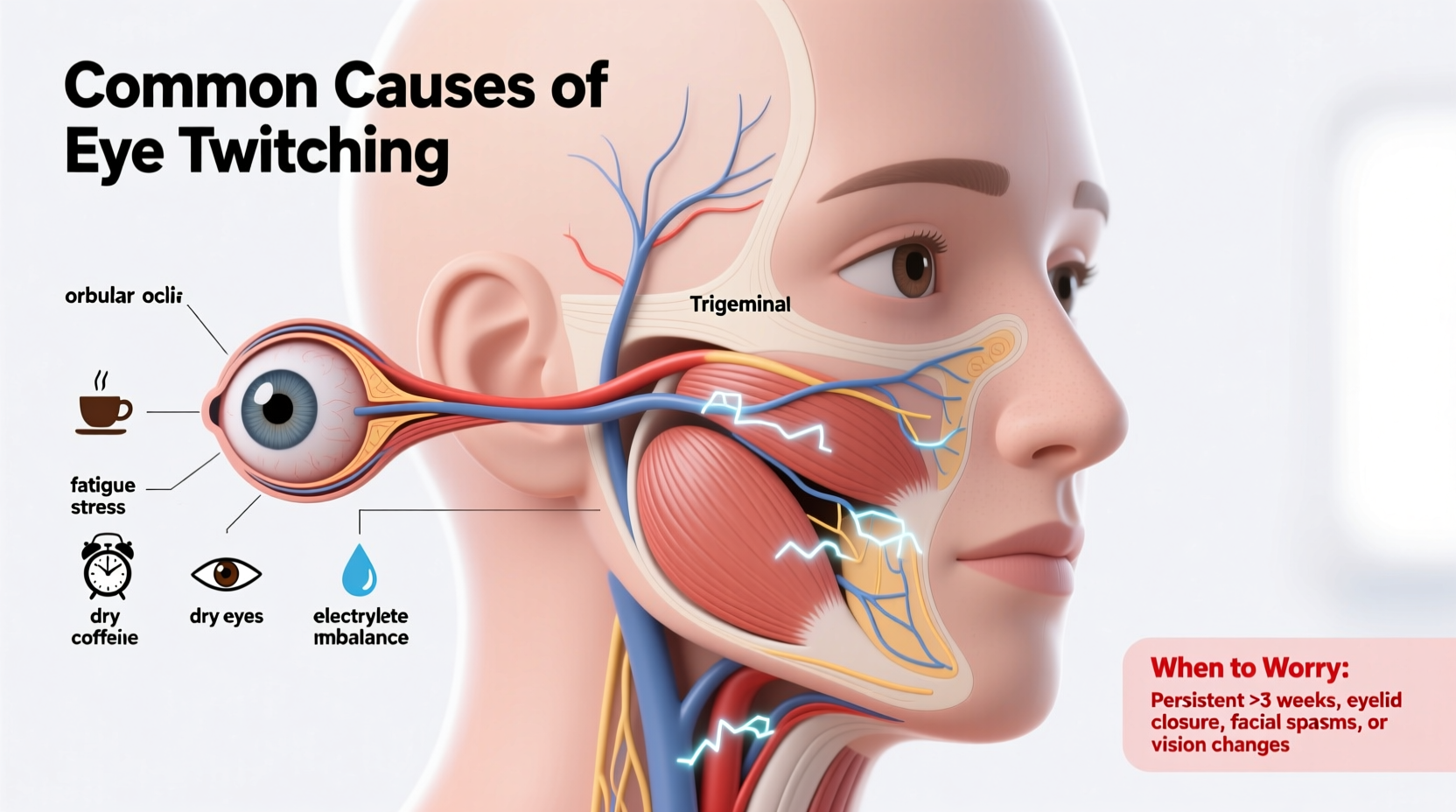
Most cases of left eye twitching stem from benign, everyday triggers. These are generally self-limiting and resolve with minor lifestyle adjustments.
- Stress and Anxiety: Elevated cortisol levels from stress can overstimulate nerves, leading to muscle twitches, especially around sensitive areas like the eyes.
- Fatigue and Sleep Deprivation: Lack of quality sleep disrupts normal neurological function, increasing susceptibility to muscle spasms.
- Caffeine Overconsumption: High intake of coffee, energy drinks, or soda can stimulate the nervous system and trigger twitching.
- Dry Eyes: Prolonged screen use reduces blink rate, causing dryness and irritation that may manifest as twitching.
- Nutritional Imbalances: Deficiencies in magnesium, potassium, or vitamin B12 can affect nerve-muscle communication.
- Eye Strain: Extended focus on digital screens without breaks fatigues the ocular muscles.
When to Worry: Red Flags and Underlying Conditions
While occasional twitching is normal, certain patterns suggest a need for medical attention. Persistent or escalating symptoms could indicate neurological or muscular disorders.
Seek prompt evaluation if you notice any of the following:
- Twitching lasts longer than three weeks
- The eyelid closes completely with each spasm
- Other facial muscles are affected (e.g., mouth or cheek)
- Redness, swelling, or discharge from the eye
- Drooping eyelid (ptosis)
- Symptoms spread to other parts of the face or body
“Persistent unilateral eye twitching, especially with associated facial movement issues, should not be ignored. It could point to conditions like hemifacial spasm or even early signs of neuromuscular disorders.” — Dr. Lena Patel, Neurologist at Boston Neuro Care Center
Rare but Serious Conditions Linked to Chronic Eye Twitching
| Condition | Description | Additional Symptoms |
|---|---|---|
| Hemifacial Spasm | Chronic nerve irritation causing involuntary contractions on one side of the face | Twitching spreads from eye to mouth, worsens over time |
| Bell’s Palsy | Facial nerve inflammation leading to temporary weakness or paralysis | Facial droop, difficulty smiling, altered taste |
| Multiple Sclerosis (MS) | Autoimmune disease affecting central nervous system signaling | Numbness, vision problems, balance issues |
| Benign Essential Blepharospasm | Progressive eyelid spasms that may interfere with vision | Light sensitivity, uncontrollable blinking, both eyes affected later |
Step-by-Step Guide to Managing Mild Eye Twitching
If your left eye twitching appears related to lifestyle factors, follow this practical timeline to alleviate symptoms within days:
- Day 1–2: Assess Triggers
- Track caffeine intake, sleep duration, and screen time.
- Note emotional stressors or recent illness.
- Day 3–5: Implement Lifestyle Adjustments
- Reduce caffeine by 50% (switch to decaf or herbal tea).
- Aim for 7–8 hours of uninterrupted sleep.
- Use artificial tears if eyes feel dry.
- Follow the 20-20-20 rule: every 20 minutes, look at something 20 feet away for 20 seconds.
- Day 6–7: Introduce Nutritional Support
- Eat magnesium-rich foods (spinach, almonds, avocado).
- Consider a B-complex supplement after consulting your doctor.
- Day 8–14: Monitor Progress
- If twitching stops, maintain new habits.
- If it continues, schedule a check-up with your primary care physician or an ophthalmologist.
Mini Case Study: Recovering from Stress-Induced Twitching
Sarah, a 34-year-old project manager, began experiencing left eye twitching during a high-pressure work quarter. Initially dismissing it as fatigue, she noticed the twitch persisted for nearly two weeks and started affecting her concentration.
After reading about potential causes, she tracked her habits and realized she was consuming four energy drinks daily and averaging only 5–6 hours of sleep. She cut out energy drinks, started using lubricating eye drops, and implemented a strict bedtime routine. Within ten days, the twitching stopped completely.
Her case highlights how easily overlooked lifestyle factors can manifest in physical symptoms — and how targeted changes yield fast results.
Checklist: What You Can Do Today
Use this actionable checklist to address or prevent left eye twitching:
- ☑ Reduce caffeine intake (aim for less than 200mg per day)
- ☑ Get at least 7 hours of sleep nightly
- ☑ Apply warm compresses to the eyelid for 5 minutes twice daily
- ☑ Use artificial tears if eyes feel dry or gritty
- ☑ Practice stress-reduction techniques (deep breathing, meditation, walking)
- ☑ Take screen breaks every 20–30 minutes
- ☑ Eat balanced meals rich in magnesium and B vitamins
- ☑ Schedule an eye exam if twitching persists beyond two weeks
FAQ
Can dehydration cause eye twitching?
Yes. Dehydration affects electrolyte balance, which is crucial for proper nerve and muscle function. Even mild dehydration can trigger muscle spasms, including eyelid twitching. Drinking adequate water throughout the day often helps resolve the issue.
Is left eye twitching a sign of a stroke?
No, isolated eye twitching is not a typical sign of stroke. Stroke symptoms usually include sudden numbness, confusion, trouble speaking, severe headache, or loss of coordination. However, if twitching is accompanied by facial drooping or muscle weakness, consult a doctor promptly to rule out neurological concerns.
Should I see a neurologist for eye twitching?
You don’t need to see a neurologist for occasional, brief twitching. However, if the spasms are constant, spreading, or associated with other neurological symptoms, a referral to a neurologist may be necessary to evaluate underlying nerve or brain conditions.
Conclusion: Know Your Body, Trust Your Instincts
Left eye twitching is usually nothing to fear — a fleeting reminder that your body needs rest, hydration, or a break from stress. Simple, consistent adjustments in daily habits often bring quick relief. But when twitching defies these fixes, lasting more than a few weeks or evolving into broader facial movements, it deserves professional attention.
Your body communicates through symptoms. Listening carefully — neither overreacting nor ignoring persistent signals — is key to maintaining long-term health. If in doubt, consult a healthcare provider. Early evaluation can prevent complications and offer peace of mind.




 浙公网安备
33010002000092号
浙公网安备
33010002000092号 浙B2-20120091-4
Comments
No comments yet. Why don't you start the discussion?