
Lipstick bleeding—when color migrates beyond the natural lip line into fine lines around the mouth—is one of the most common frustrations in makeup wear. It not only dulls the precision of your application but can also make your entire look appear messy or aged. Despite using high-quality formulas, many people still struggle with this issue. The truth is, lipstick bleeding isn’t just about the product; it’s influenced by skin texture, lip anatomy, aging, and technique. Understanding the root causes and applying targeted solutions can transform your lip game from smudged to seamless.
The Science Behind Lipstick Bleeding
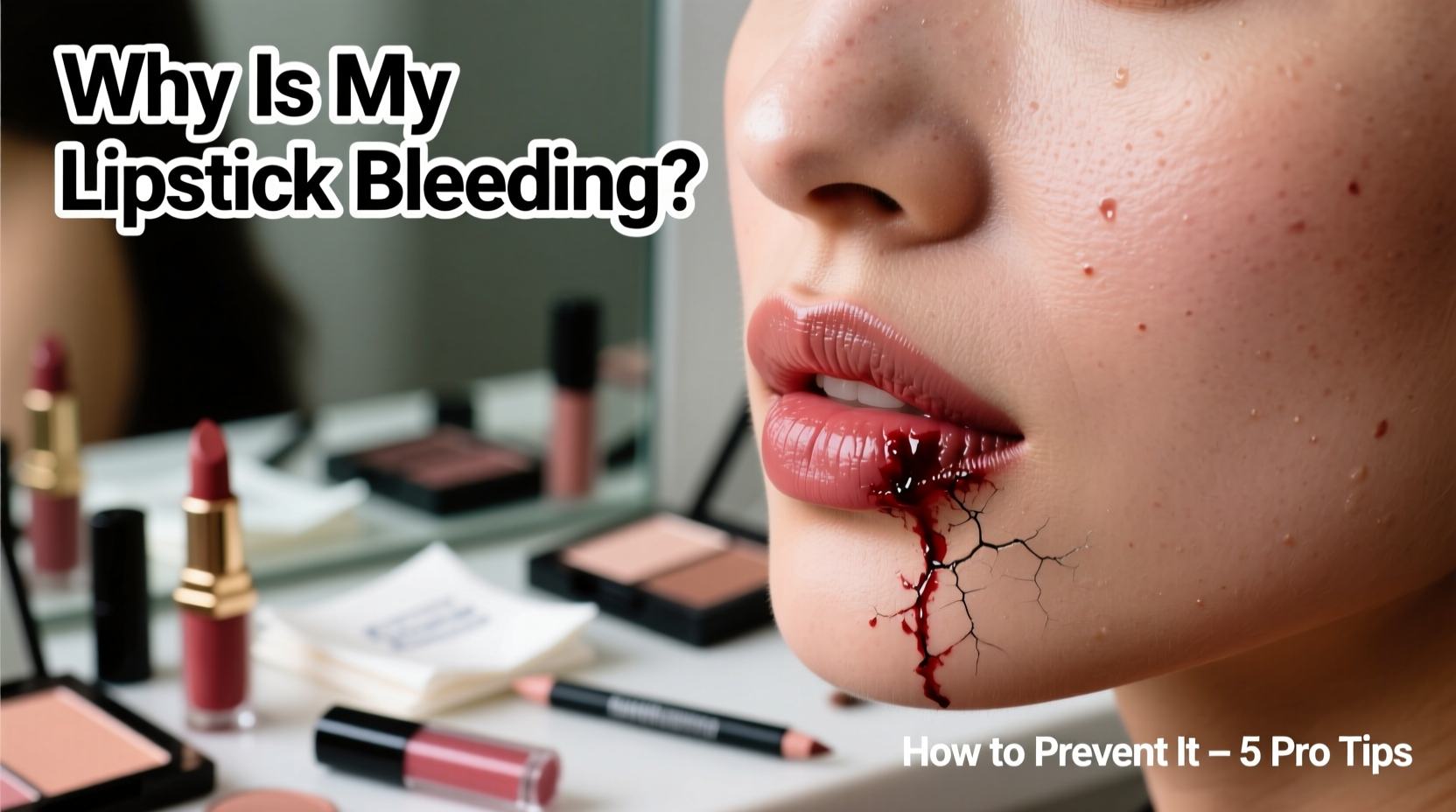
Lipstick bleeding, also known as feathering, occurs when pigment seeps into the small creases and vertical lines that frame the lips. These lines act like channels, drawing in soft or creamy lip products over time. The phenomenon is more pronounced with liquid lipsticks, glosses, and satin finishes due to their fluid consistency.
Natural lip movement—talking, eating, smiling—constantly shifts the skin, creating micro-movements that push product outward. Combine that with thinning lip tissue and increased perioral lines as we age, and you have a perfect storm for bleeding. Even younger individuals aren’t immune, especially if they use hydrating formulas without proper prep.
Environmental factors such as dry air, dehydration, and sun exposure can worsen the appearance of lip lines, making them deeper and more prone to trapping pigment. Additionally, oily skin types may experience faster breakdown of lip products due to sebum transfer, accelerating migration.
Key Causes of Lipstick Feathering
Understanding what triggers bleeding helps in choosing the right prevention strategy. Here are the most common culprits:
- Dry or chapped lips: Cracked surfaces create uneven terrain where product pools and spreads unpredictably.
- Aging skin: Loss of collagen leads to thinner lips and deeper marionette lines, which trap color.
- Improper lip prep: Skipping exfoliation or moisturizing creates an unstable base.
- Wrong lipstick formula: High-shine or emollient-rich lipsticks are more likely to migrate.
- Skipping lip liner: Without a barrier, there’s nothing to contain the pigment.
- Overlining mistakes: Drawing too far outside the lip line invites immediate feathering.
“Lipstick bleeding often stems from treating the lips like any other part of the face. But they’re uniquely mobile and delicate—requiring specialized prep and anchoring.” — Dr. Lena Torres, Cosmetic Dermatologist
Step-by-Step Guide to Prevent Lipstick Bleeding
Preventing feathering isn’t about using fewer products—it’s about layering them strategically. Follow this timeline for a clean, lasting result:
- Exfoliate gently (Night Before or Morning Of): Use a soft toothbrush or a sugar-based scrub to slough off dead cells. Do this 2–3 times weekly to maintain smoothness without irritation.
- Hydrate deeply: Apply a non-greasy lip balm at least 10 minutes before makeup. Look for ingredients like hyaluronic acid or shea butter. Blot excess to avoid slickness.
- Prime the area: Dab a tiny amount of concealer or mattifying primer around the lip perimeter. This creates a neutral, absorbent barrier that resists migration.
- Define with liner: Choose a liner that matches your natural lip shade or lipstick. Start at the cupid’s bow and trace precisely along the vermillion border. Fill in the entire lip—this acts as a second skin to lock in color.
- Apply lipstick with care: Use a brush for control. Apply in thin layers, blotting between coats. Avoid going over the edge even once.
- Set with powder: After application, place a single-ply tissue over your lips and lightly dust translucent powder through it. This sets the color without dulling shine completely.
- Final touch-up: Use a pointed concealer brush to clean up any slight smudging and sharpen the edges.
Do’s and Don’ts: Lipstick Application Best Practices
| Do’s | Don’ts |
|---|---|
| Use a matte or long-wear formula for less migration | Use glossy or sheer balms without setting |
| Fill lips completely with liner for grip | Rely solely on lipstick without lining |
| Blot and reapply for buildable, lasting color | Apply thick layers in one go |
| Clean edges with concealer for sharp definition | Ignore smudging until it’s too late |
| Store lip liners sharpened and cool to maintain firmness | Leave liners in hot environments (e.g., cars) |
Real-Life Example: From Smudged to Sculpted
Sophia, a 42-year-old marketing executive, had grown frustrated with her lipstick fading and bleeding within an hour of application, especially during client presentations. She loved bold reds but found them impossible to wear without constant touch-ups. After consulting a makeup artist, she realized she was skipping two critical steps: lip exfoliation and full lip lining.
She began a nightly routine of applying a hydrating balm and gently buffing her lips twice a week. In the morning, she started using a nude-toned liner to fill her entire lip surface before applying her favorite liquid matte. She also switched from a shiny formula to a transfer-proof one. The result? Her lipstick stayed intact for over six hours, with no feathering—even after coffee and lunch. “I finally feel confident speaking on camera,” she said. “My lips look polished all day.”
Choosing the Right Products to Combat Bleeding
Not all lipsticks are created equal when it comes to staying power. Here’s how to select ones that resist migration:
- Matte liquid lipsticks: Often contain polymers that form a flexible film on the lips, reducing spread.
- Cream-to-powder formulas: Dry down to a velvety finish, minimizing slip.
- Long-wear pencils: Some brands offer full-coverage lip colors in pencil form—ideal for precision and longevity.
Equally important is the lip liner. Opt for a retractable or pencil version with a firm texture. Soft liners may feel smooth but tend to break down faster. Waterproof or smudge-proof liners offer superior hold.
For those with deep perioral lines, consider using a silicone-based lip primer. These create a temporary smoothing effect, filling in fine lines much like a pore-minimizing primer does on the face.
“Silicone primers physically block pigment from sinking into lines. They’re a game-changer for mature lips or anyone battling persistent feathering.” — Marcus Lee, Celebrity Makeup Artist
FAQ: Common Questions About Lipstick Bleeding
Does lip filler help prevent lipstick from bleeding?
Yes, in some cases. Hyaluronic acid fillers add volume and smooth out vertical lip lines, reducing the grooves where pigment collects. However, over-filling can stretch the skin and create new issues. Consult a licensed dermatologist or injector for personalized advice.
Can I use eyeshadow as a lip topper to set my lipstick?
Only if the eyeshadow is specifically labeled safe for lips. Most eyeshadows contain binders or pigments not approved for oral use. Instead, use a translucent setting powder or a dedicated lip-setting spray.
Is it better to apply lipstick with a brush or directly from the tube?
A brush offers far greater precision, especially near the edges. It allows you to build color gradually and correct mistakes instantly. Direct application often leads to over-application and blurred lines.
Checklist: How to Keep Your Lipstick in Place All Day
Follow this actionable checklist every time you do your makeup:
- ✅ Exfoliate lips 2–3 times per week
- ✅ Apply lip balm 10+ minutes before makeup, then blot
- ✅ Use a matching lip liner and fill in entire lip area
- ✅ Choose a long-wear or matte formula
- ✅ Apply lipstick in thin layers, blotting between
- ✅ Set with a light dusting of translucent powder
- ✅ Clean up edges with a concealer brush
- ✅ Carry liner and powder for quick touch-ups
Conclusion: Master Your Lip Line, Own Your Look
Lipstick bleeding doesn’t have to be inevitable. With the right combination of preparation, product selection, and technique, you can enjoy vibrant, defined lips that stay flawless from morning meetings to evening outings. It’s not about covering up imperfections—it’s about working with your unique lip structure to enhance its natural shape. Whether you’re dealing with aging lines or simply want your favorite berry shade to behave, these strategies deliver real results.




 浙公网安备
33010002000092号
浙公网安备
33010002000092号 浙B2-20120091-4
Comments
No comments yet. Why don't you start the discussion?