
Many people notice changes in their facial features over time—and one of the most common concerns is a nose that seems to be growing larger. While the nose doesn’t actually grow continuously after adolescence, certain factors can make it appear bigger or more prominent with age. Understanding the real reasons behind this change is key to determining whether action is needed and what steps can help.
The perception of a growing nose often stems from natural aging, genetic predisposition, or underlying health issues. Some causes are harmless and simply part of the aging process, while others—like rhinophyma or chronic inflammation—may require medical attention. This article breaks down the primary reasons your nose might seem to be enlarging and offers practical solutions based on science and expert recommendations.
Common Causes of a Larger-Looking Nose
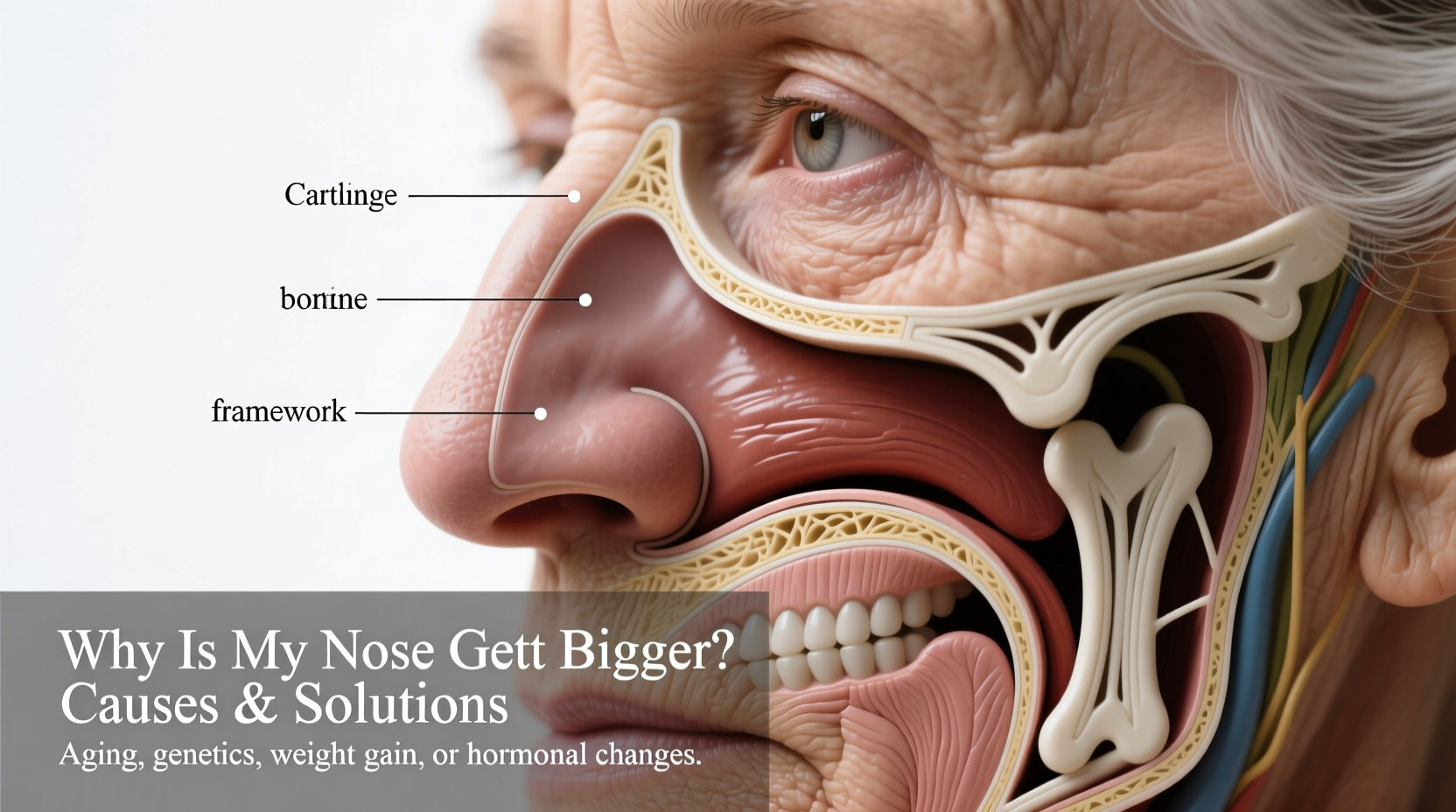
Contrary to popular myth, cartilage does not keep growing throughout life. However, several biological and environmental factors contribute to the appearance of a larger nose as you age.
- Aging and Skin Elasticity: As collagen and elastin decline with age, skin loses firmness. The nasal tip may droop due to weakening support structures, giving the illusion of a longer or broader nose.
- Gravity’s Effect on Cartilage: Over decades, gravity pulls down on the nasal tip, especially if the supporting ligaments weaken. This can cause the nose to sag and appear larger.
- Rhinophyma: A severe form of rosacea, rhinophyma leads to thickened skin, enlarged pores, and bumpy tissue buildup on the nose—most commonly seen in men over 50.
- Chronic Inflammation: Long-term sinusitis, allergies, or frequent infections can lead to persistent swelling, making the nose look puffier.
- Nasal Trauma or Previous Surgery: Past injuries or surgical interventions can alter nasal structure, sometimes leading to asymmetry or increased size over time.
- Genetics: Family traits play a major role. If your parents had large noses or developed bulbous tips with age, you may follow a similar pattern.
Medical Conditions That Affect Nasal Size
Some medical issues go beyond normal aging and can significantly alter the nose’s appearance. Recognizing these early improves outcomes.
Rhinophyma
A subtype of phymatous rosacea, rhinophyma involves fibrous tissue and sebaceous gland overgrowth. It typically begins with redness and progresses to a swollen, uneven, and enlarged nose. Though historically linked to alcohol use (leading to the term “whiskey nose”), this is a misconception—alcohol may worsen symptoms but isn’t the root cause.
“Rhinophyma is underdiagnosed because patients often delay seeking care due to embarrassment. Early dermatological intervention can prevent disfigurement.” — Dr. Lena Patel, Board-Certified Dermatologist
Rosacea
This chronic inflammatory skin condition affects facial blood vessels and glands. Ocular and nasal involvement (rhinophyma) occurs in advanced stages. Flushing, visible capillaries, and acne-like breakouts often precede structural changes.
Acromegaly
A rare hormonal disorder caused by excess growth hormone, usually from a benign pituitary tumor. One hallmark sign is enlargement of the hands, feet, jaw—and notably, the nose. Other symptoms include joint pain, deepening voice, and spacing between teeth.
Granulomatosis with Polyangiitis (GPA)
An autoimmune disease affecting small blood vessels, GPA can cause nasal ulcers, septal perforation, and saddle-nose deformity. Paradoxically, initial inflammation may mimic enlargement before collapse occurs.
What You Can Do: Prevention and Treatment Options
While some changes are inevitable, proactive measures can slow progression and improve appearance.
Skin Care and Rosacea Management
For those with sensitive skin or rosacea, gentle cleansing and sun protection are essential. Avoid triggers like spicy foods, alcohol, extreme temperatures, and harsh skincare products.
| Treatment Type | Purpose | Effectiveness |
|---|---|---|
| Topical Ivermectin or Metronidazole | Reduce inflammation in rosacea | High for early-stage redness |
| Oral Antibiotics (Doxycycline) | Control bacterial and inflammatory response | Moderate to high |
| Laser Therapy (Pulsed Dye Laser) | Minimize redness and visible vessels | Good for vascular symptoms |
| Surgical Reshaping (for Rhinophyma) | Remove excess tissue and restore contour | Very effective in advanced cases |
Dermatological and Surgical Interventions
In cases of significant enlargement due to rhinophyma or structural sagging, procedures such as dermabrasion, CO₂ laser ablation, or rhinoplasty can restore a more balanced appearance. These are typically outpatient procedures with high patient satisfaction when performed by specialists.
Real-Life Example: John’s Experience with Rhinophyma
John, a 58-year-old teacher, noticed his nose becoming redder and gradually wider over five years. At first, he attributed it to sun exposure and occasional drinking. But as the texture changed—developing bumps and oiliness—he became self-conscious. After visiting a dermatologist, he was diagnosed with rhinophyma secondary to untreated rosacea.
His treatment plan included oral doxycycline for three months, followed by two sessions of CO₂ laser therapy to resurface the nose. Within six months, the swelling reduced significantly, and his confidence improved. “I wish I hadn’t waited so long,” John said. “It wasn’t just looks—it affected how I interacted with students and colleagues.”
Action Plan: Step-by-Step Guide to Addressing Nasal Changes
If you're concerned about your nose appearing larger, follow this timeline to assess and act appropriately:
- Week 1: Self-Assessment
Take photos from multiple angles under consistent lighting. Note any redness, texture changes, or drooping. - Week 2: Identify Triggers
Track habits: alcohol intake, sun exposure, skincare routine, and flare-ups. Keep a symptom journal. - Month 1: Consult a Specialist
Visit a dermatologist or ENT specialist to rule out rosacea, rhinophyma, or other conditions. - Month 2–3: Begin Medical Treatment
If diagnosed with rosacea or inflammation, start prescribed topicals or oral medications. - Month 4+: Evaluate Progress
Assess improvement. If structural changes persist, discuss surgical or laser options with a qualified surgeon.
Do’s and Don’ts at a Glance
| Do’s | Don’ts |
|---|---|
| Use sunscreen daily (SPF 30+) | Scratch or pick at nasal skin |
| Cleanse gently with fragrance-free products | Use alcohol-based toners or exfoliants |
| Seek professional evaluation for persistent changes | Ignore worsening redness or texture |
| Manage stress and avoid known rosacea triggers | Self-diagnose or attempt DIY removal of growths |
Frequently Asked Questions
Can your nose physically grow bigger after your 20s?
No, the cartilage in your nose stops growing after adolescence. However, aging effects like drooping, skin thickening, or swelling can create the illusion of growth.
Is a bigger nose always a sign of a health problem?
Not necessarily. Gradual changes due to aging are normal. However, rapid enlargement, pain, bleeding, or skin changes warrant medical evaluation to rule out conditions like rhinophyma or acromegaly.
Can losing weight make your nose look smaller?
Facial fat loss can slightly alter overall proportions, but the nose itself won’t shrink. However, reduced facial fullness may make the nose appear more prominent.
Final Thoughts and Next Steps
Noticing changes in your nose doesn’t mean something is wrong—but understanding the cause empowers you to respond wisely. Whether it’s adopting better skincare, managing an underlying condition, or consulting a specialist, taking informed action preserves both appearance and well-being.
Don’t dismiss persistent changes as inevitable signs of aging. With today’s medical and aesthetic options, many causes of nasal enlargement are treatable, especially when caught early. Your face tells your story; make sure it reflects health, confidence, and care.




 浙公网安备
33010002000092号
浙公网安备
33010002000092号 浙B2-20120091-4
Comments
No comments yet. Why don't you start the discussion?