
Pothos (Epipremnum aureum) is one of the most popular houseplants for good reason: it's tough, adaptable, and thrives in low-light conditions. But even this resilient vine can show signs of distress—most notably, yellowing leaves. When your once-lush green pothos starts developing yellow foliage, it’s not just an aesthetic issue; it’s a signal that something in its environment or care routine has gone awry. The good news? With prompt attention and the right adjustments, you can often reverse the damage and restore your plant to vibrant health within weeks.
Yellowing in pothos isn’t a single-issue problem. It can stem from overwatering, poor lighting, nutrient imbalances, pests, or even natural aging. Diagnosing the cause correctly is half the battle. This guide breaks down the most common reasons behind yellow leaves, provides a clear action plan to revive your plant, and shares long-term strategies to keep it thriving.
Common Causes of Yellow Leaves in Pothos
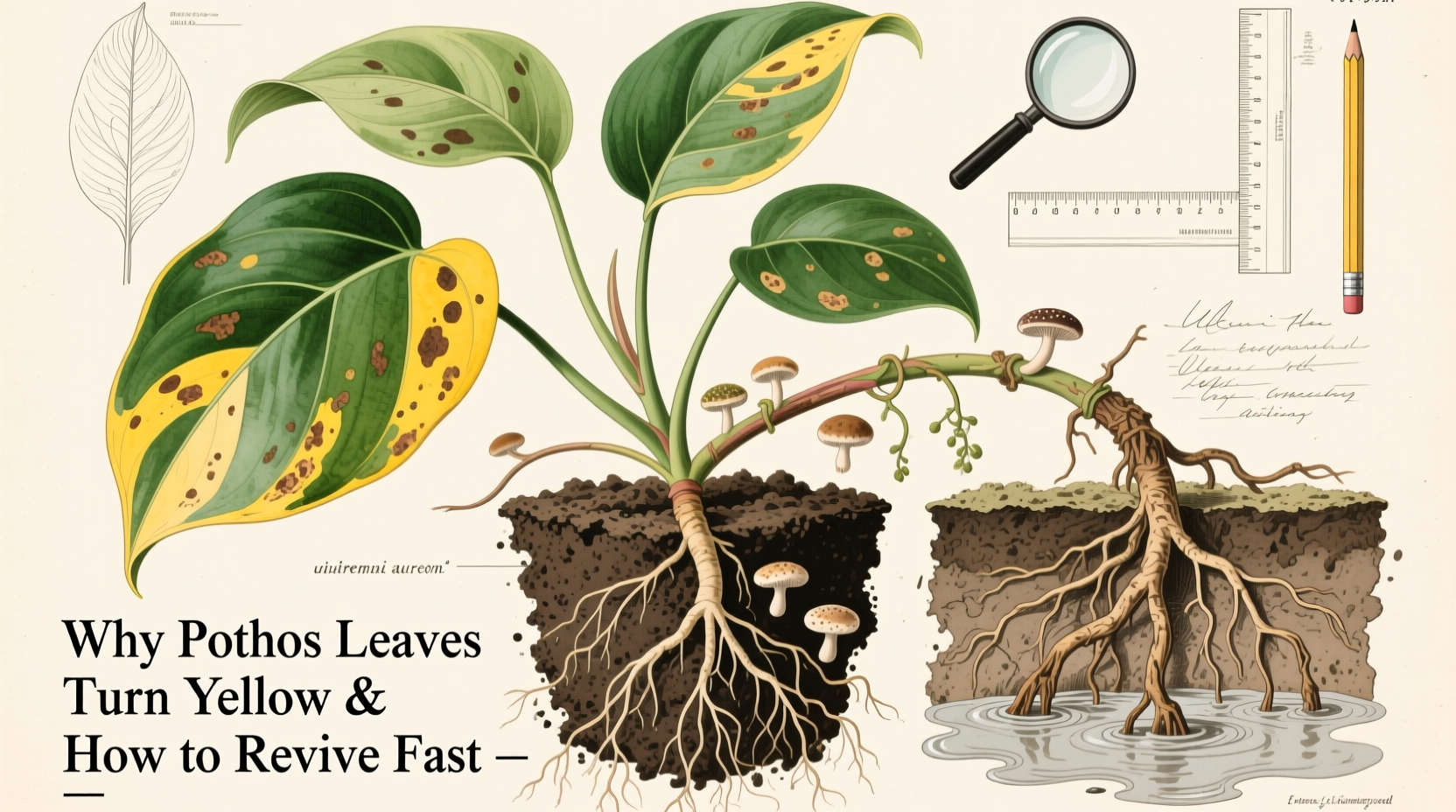
Before jumping into solutions, it’s essential to identify what’s stressing your plant. Here are the top culprits behind yellowing pothos leaves:
- Overwatering: The leading cause of yellow leaves. Soggy soil leads to root rot, which prevents the plant from absorbing nutrients and water.
- Underwatering: Less common but still possible. Dry, crispy edges combined with yellowing indicate dehydration.
- Poor Lighting: Too little light slows photosynthesis; too much direct sun burns leaves and causes discoloration.
- Nutrient Deficiency: Lack of nitrogen, iron, or magnesium often results in chlorosis (yellowing between veins).
- Pests: Spider mites, mealybugs, or scale can weaken the plant, leading to yellow spots or overall discoloration.
- Low Humidity: While pothos tolerates average indoor humidity, extremely dry air can stress older leaves.
- Natural Aging: Lower leaves may turn yellow and drop as part of the plant’s growth cycle.
Step-by-Step Guide to Revive a Yellowing Pothos
Reviving a yellowing pothos requires immediate assessment and targeted intervention. Follow this timeline to stabilize and rejuvenate your plant.
- Inspect the Plant Thoroughly
Check for patterns in yellowing. Are lower leaves affected first? Are there brown spots, webbing, or sticky residue? These clues help pinpoint the cause. - Test Soil Moisture
Insert your finger or a moisture meter into the soil. If it’s soggy, overwatering is likely. If bone dry, underwatering is the issue. - Remove Damaged Leaves
Trim off fully yellow or mushy leaves using clean scissors. This reduces stress on the plant and prevents potential disease spread. - Check for Root Rot
Gently remove the plant from its pot. Healthy roots are firm and white. Rotten roots are brown, mushy, and smell foul. Trim away any decayed sections with sterilized shears. - Repot if Necessary
If root rot is present or the plant is root-bound, repot it in fresh, well-draining soil. Use a mix of peat moss, perlite, and pine bark. Choose a pot with drainage holes. - Adjust Watering Routine
Allow the top 1–2 inches of soil to dry out between waterings. In winter, reduce frequency. Always empty the saucer after watering. - Optimize Light Conditions
Place your pothos in bright, indirect light—near an east or north-facing window is ideal. Avoid direct afternoon sun, which can scorch leaves. - Begin a Balanced Fertilizing Schedule
Feed every 4–6 weeks during spring and summer with a balanced liquid fertilizer (e.g., 10-10-10). Dilute to half strength to avoid burn.
Do’s and Don’ts: Caring for a Recovering Pothos
| Do’s | Don’ts |
|---|---|
| Water when the top inch of soil is dry | Don’t water on a fixed schedule—adjust based on season and environment |
| Use pots with drainage holes | Don’t let the plant sit in standing water |
| Wipe leaves occasionally to remove dust | Don’t use leaf-shine products—they clog pores |
| Rotate the plant monthly for even growth | Don’t move it frequently—pothos dislikes sudden changes |
| Provide moderate humidity (40–60%) | Don’t mist leaves regularly—it promotes fungal issues |
Mini Case Study: Reviving a Severely Overwatered Pothos
Sarah, a plant enthusiast in Chicago, noticed her golden pothos turning yellow over two weeks. The leaves were soft, drooping, and some had brown spots. She was watering it weekly, assuming consistency was key. After reading about root rot, she decided to investigate.
She removed the plant from its pot and found dark, mushy roots. Following a revival guide, she trimmed the damaged roots, repotted in fresh perlite-mix soil, and placed it near a north-facing window. She stopped watering for 10 days, then resumed only when the soil was dry halfway down.
Within three weeks, new green growth emerged. By week six, the plant had produced several healthy vines. Sarah now checks moisture with a meter and credits the turnaround to early diagnosis and proper drying time between waterings.
Expert Insight: What Horticulturists Recommend
“Pothos are forgiving, but they communicate stress clearly through their leaves. Yellowing is rarely due to one factor—it’s usually a combination of overwatering and poor light. The fastest recovery comes from addressing both simultaneously.” — Dr. Lena Torres, Urban Horticulture Specialist, University of Illinois Extension
“Fertilizer isn’t always the answer. Many indoor gardeners overfeed trying to fix yellow leaves, when the real issue is oxygen-starved roots from constant moisture.” — Mark Rivera, Botanical Curator at Brooklyn Botanic Garden
Tips for Long-Term Pothos Health
Once your pothos begins recovering, shift focus to prevention. A few simple habits can keep your plant lush and green year-round:
- Monitor Seasonal Changes: Growth slows in fall and winter. Reduce watering and fertilizing accordingly.
- Prune Regularly: Trim leggy vines to encourage bushier growth and redirect energy to healthier foliage.
- Clean Leaves Monthly: Dust blocks light absorption. Wipe gently with a damp cloth.
- Use Support for Vertical Growth: Moss poles or trellises help mature plants develop larger leaves and stronger stems.
- Quarantine New Plants: Isolate new additions for 2–3 weeks to prevent pest infestations.
Frequently Asked Questions
Can yellow pothos leaves turn green again?
No. Once a leaf turns yellow, it cannot revert to green. The plant reabsorbs nutrients from the dying leaf. Focus on preventing further yellowing by correcting care issues.
How often should I water my pothos?
Typically every 1–2 weeks, depending on light, temperature, and humidity. Always check soil moisture first. In low light or cooler rooms, it may need water only once every 3 weeks.
Is it normal for bottom leaves to turn yellow?
Yes, mild yellowing of the oldest (lowest) leaves is natural as the plant grows upward. However, if multiple lower leaves yellow rapidly or stems look weak, it may indicate a deeper issue like overwatering or nutrient deficiency.
Quick Revival Checklist
Use this actionable checklist to diagnose and treat your yellowing pothos efficiently:
- ✅ Inspect leaves for patterns of yellowing and signs of pests
- ✅ Test soil moisture—dry or soggy?
- ✅ Remove all fully yellow or damaged leaves
- ✅ Unpot and examine roots for rot (brown/mushy = bad)
- ✅ Trim rotten roots and repot in fresh, well-draining mix
- ✅ Move to bright, indirect light—avoid direct sun
- ✅ Hold off on watering for 5–7 days post-repotting
- ✅ Resume watering only when top inch of soil is dry
- ✅ Begin half-strength fertilizer in growing season (spring/summer)
- ✅ Monitor weekly for new growth or worsening symptoms
Conclusion: Act Fast, Grow Confidently
A yellowing pothos doesn’t mean the end—it’s a wake-up call. Most issues are reversible if caught early. The key is understanding that yellow leaves are symptoms, not the disease itself. By adjusting watering, improving light, and ensuring proper nutrition, you can bring your plant back to life faster than you might expect.
More importantly, each challenge teaches you to read your plant’s signals. Over time, you’ll develop an intuition for its needs, turning routine care into a rewarding ritual. Don’t hesitate to share your revival journey—your experience could inspire another plant parent facing the same struggle.




 浙公网安备
33010002000092号
浙公网安备
33010002000092号 浙B2-20120091-4
Comments
No comments yet. Why don't you start the discussion?