
If you’ve ever been startled by a sudden metallic clanging coming from your radiator—especially during the quiet of night—you’re not alone. Banging noises in radiators are more common than many homeowners realize, but they shouldn’t be ignored. These sounds often signal underlying issues within your central heating system that, if left unattended, could lead to reduced efficiency, higher energy bills, or even costly repairs down the line.
This guide walks through the most frequent causes of radiator banging, how to identify them, and what steps you can take to resolve the problem safely and effectively. Whether you have a traditional hot water system or a steam-based setup, understanding the root cause is the first step toward restoring peace and comfort to your home.
Understanding How Radiators Work
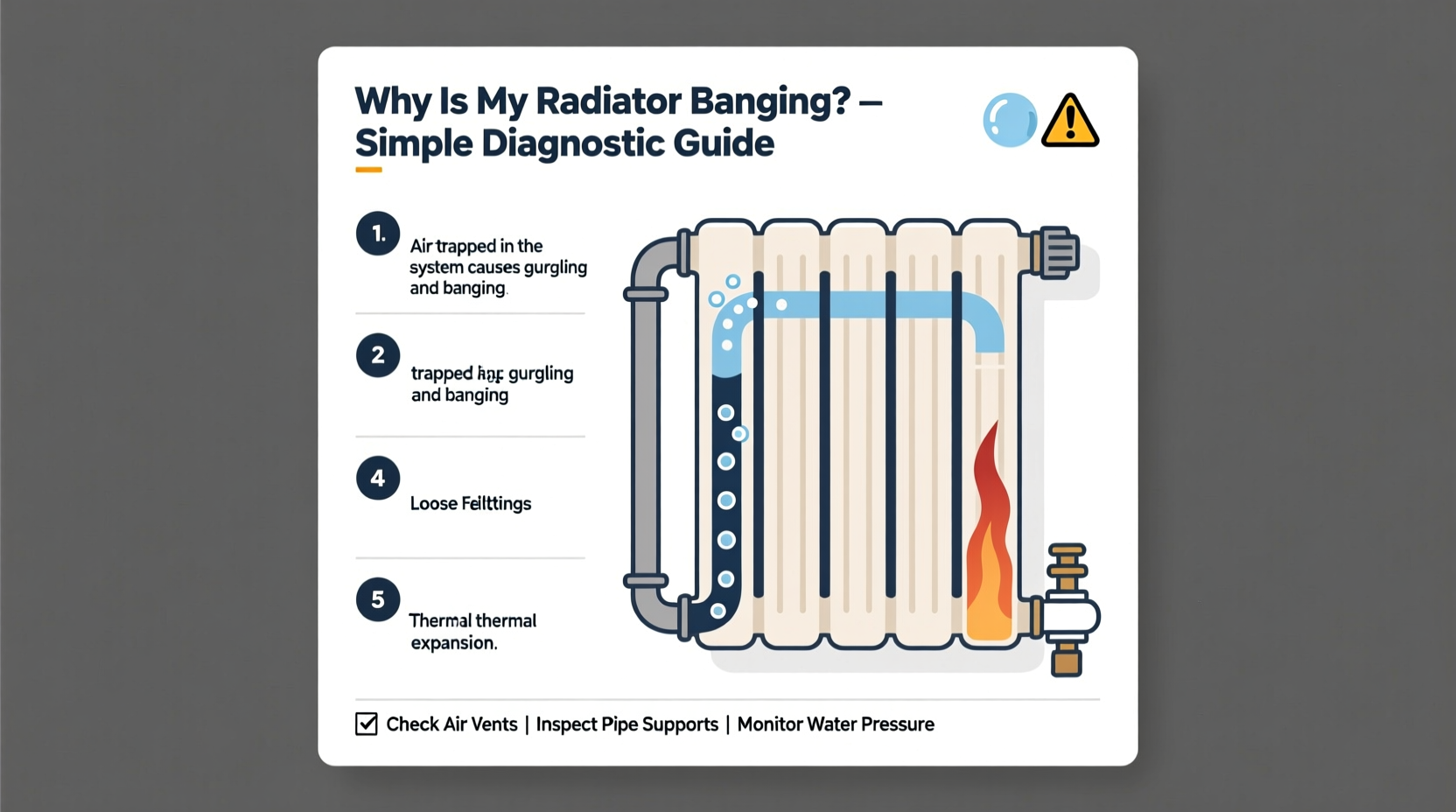
To diagnose a noisy radiator, it helps to understand the basic mechanics of how these systems function. Most homes use either hydronic (hot water) or steam radiators. In both cases, heat is generated by a boiler and transferred through metal units in each room.
In a hydronic system, heated water circulates through pipes into radiators. As the water cools, it returns to the boiler to be reheated. Steam systems operate similarly, but instead of water, steam rises through the pipes and condenses back into water after releasing heat.
The expansion and contraction of metal components, movement of water or steam, and air trapped in the system all play roles in normal operation—and potential noise generation. While some gentle ticking or creaking is typical as metal heats and cools, loud banging is not.
Common Causes of Radiator Banging Noises
Banging typically results from mechanical stress, improper installation, or system imbalances. Below are the five most frequent culprits:
- Trapped Air in the System – Air pockets prevent proper water circulation, causing gurgling or knocking as water tries to move past blockages.
- Loose or Improperly Mounted Radiators – Over time, wall brackets can loosen, allowing the radiator to shift slightly and knock against walls or floors when expanding.
- Kettling in the Boiler – A buildup of limescale inside the boiler or heat exchanger can cause localized boiling, producing a rumbling or banging sound that travels through connected radiators.
- Sludge Accumulation in Radiators – Corrosion byproducts settle at the bottom of radiators, creating uneven heating and thermal stress that leads to popping or banging.
- Steam Hammer (in Steam Systems) – When steam moves too quickly through pipes and encounters condensate, it creates a shockwave known as “water hammer,” resulting in loud bangs.
Step-by-Step Diagnostic Process
Follow this logical sequence to isolate the source of the banging noise:
- Observe When the Noise Occurs
Is it only when the heating turns on? During shutdown? Constant throughout operation? Timing gives critical clues:- Noise at startup: Likely thermal expansion or air pockets.
- Continuous banging: Could indicate sludge, kettling, or steam hammer.
- Intermittent ticking: Often normal metal expansion.
- Check for Cold Spots on the Radiator
Run your hand over the surface. If the top is cold while the bottom is warm, air is likely trapped. This requires bleeding. - Inspect Mounting Brackets
Visually examine the wall fixings and floor supports. Gently wiggle the radiator. Any movement suggests loose fittings. - List Your System Type
Determine whether you have a hot water or steam system. Steam systems require different handling, especially regarding valve settings and trap maintenance. - Listen for Boiler Sounds
If the banging seems to originate near the boiler or echoes through multiple radiators, kettling may be the issue.
Mini Case Study: The Persistent Bedroom Rattle
Sarah, a homeowner in Manchester, noticed a rhythmic banging every evening from her upstairs bedroom radiator. It started shortly after winter began. She initially assumed it was normal until the noise grew louder, disturbing her sleep.
Following a DIY check, she found the radiator was securely mounted and had no visible leaks. However, the top third felt cool despite the system running. After bleeding the radiator, a burst of air released, followed by a steady flow of water. The banging ceased immediately.
The diagnosis? Trapped air caused uneven heating and pressure fluctuations. A simple 5-minute bleed resolved the issue, restoring quiet operation and full heating efficiency.
Solutions Based on Diagnosis
Once you’ve identified the likely cause, apply the appropriate fix:
Air in the System – Bleed the Radiator
Use a radiator key to open the bleed valve at the top corner. Let air escape until a steady stream of water flows, then close tightly. Do this with the heating off to avoid scalding.
Loose Fixings – Tighten or Re-Support
Turn off the heating and allow the radiator to cool. Check wall brackets and tighten screws. If the unit sags, consider adding an adjustable floor support leg to relieve strain.
Kettling – Descale the Boiler
Kettling produces a rumbling akin to a kettle boiling. It’s common in hard water areas where limescale builds up. Flushing the system with a chemical descaler or hiring a professional for a power flush can restore smooth operation.
“Kettling isn’t just noisy—it reduces heat transfer efficiency by up to 15%. Addressing scale early prevents long-term damage.” — James Lister, Heating Engineer & CIPHE Member
Sludge Buildup – Flush the Radiator
Sludge forms from rust and debris circulating in older systems. Symptoms include cold bottoms, reduced heat output, and occasional thumping. Disconnect the radiator and flush with a hose, or opt for a full system power flush if multiple units are affected.
Steam Hammer – Adjust Valves and Traps
In steam systems, ensure the main shutoff valve opens slowly. Install or clean steam traps to remove condensate efficiently. Slope pipes correctly (¼ inch per foot) to prevent pooling.
Do’s and Don’ts: Radiator Noise Management
| Do | Don't |
|---|---|
| Bleed radiators annually before winter | Ignore persistent banging or rattling |
| Check for secure mounting twice a year | Over-tighten bleed valves (risk cracking) |
| Install a magnetic filter to catch sludge | Assume all noises are harmless |
| Hire a Gas Safe engineer for boiler issues | Attempt boiler repairs without certification |
| Balance your system for even heat | Drain the entire system unnecessarily |
When to Call a Professional
While many radiator issues can be tackled independently, certain situations demand expert intervention:
- You suspect boiler kettling due to limescale or low water pressure.
- Multiple radiators exhibit symptoms, indicating a systemic issue.
- There are signs of leaks, corrosion, or loss of system pressure.
- Your property has a steam heating system, which requires specialized knowledge.
Licensed heating engineers can perform diagnostics using pressure gauges, thermal cameras, and system flushes that aren’t feasible for DIYers. They’ll also ensure compliance with safety regulations, particularly important when dealing with gas boilers.
Frequently Asked Questions
Is a banging radiator dangerous?
Not immediately, but prolonged issues like kettling or sludge buildup can damage your boiler or reduce its lifespan. In extreme cases, excessive pressure from steam hammer or overheating may pose safety risks. It’s best to address the cause点击查看尽快解决。
Can I bleed a radiator myself?
Yes, bleeding a radiator is a safe DIY task if done correctly. Turn off the heating, let it cool, use a radiator key on the bleed valve, and close it once water flows steadily. Keep a cloth nearby to catch drips.
Why does only one radiator make noise?
Localized problems such as trapped air, sludge accumulation, or loose brackets usually affect individual units. If only one radiator bangs, the issue is likely confined to that unit or its immediate pipework.
Preventive Maintenance Checklist
Stay ahead of radiator problems with this seasonal checklist:
- ✅ Bleed all radiators before winter begins
- ✅ Inspect brackets and supports for tightness
- ✅ Check for cold spots or slow heating
- ✅ Monitor boiler pressure (ideal range: 1–1.5 bar)
- ✅ Clean or replace magnetic filters annually
- ✅ Schedule a professional boiler service every 12 months
- ✅ Consider a power flush every 5–6 years in older systems
Consistent maintenance not only eliminates noise but improves energy efficiency, reduces wear, and extends the life of your entire heating system.
Conclusion: Silence Starts with Action
A banging radiator isn’t something to live with—it’s a signal that your heating system needs attention. From simple fixes like bleeding air to addressing deeper issues like sludge or kettling, each step brings you closer to a quieter, more efficient home.
Start with observation, follow the diagnostic path, and don’t hesitate to bring in a qualified technician when needed. Your comfort, safety, and utility bills will thank you.




 浙公网安备
33010002000092号
浙公网安备
33010002000092号 浙B2-20120091-4
Comments
No comments yet. Why don't you start the discussion?