
The scent of a fresh Christmas tree—crisp pine, warm balsam, or earthy spruce—is one of the most cherished elements of the holiday season. It evokes memories, enhances ambiance, and completes the sensory experience of decorating for Christmas. But what happens when your scented Christmas tree refuses to release that signature aroma? You’ve picked out a premium tree, brought it home with excitement, and yet… nothing. No fragrance fills the air. This silence in scent can be frustrating, especially if you were counting on that natural perfume to set the mood.
There are several reasons why a scented Christmas tree might not emit its expected fragrance. Some are environmental, others relate to tree care, and some stem from the type of tree itself. Understanding these factors not only helps diagnose the issue but also empowers you to take corrective action—whether that means adjusting your setup, enhancing the tree’s conditions, or selecting a more aromatic variety next year.
Drying Out: The Most Common Culprit
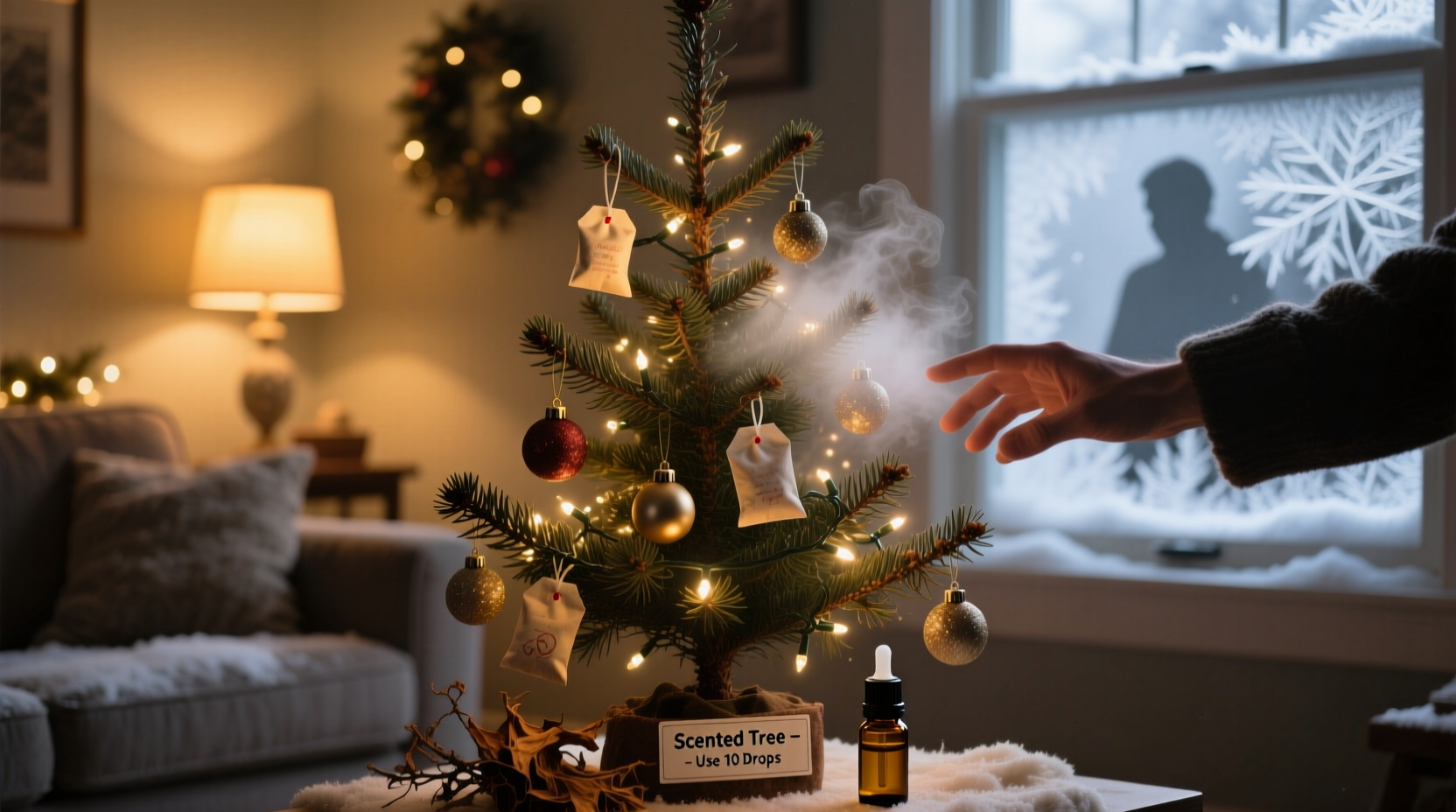
A freshly cut Christmas tree relies heavily on water absorption to maintain both its appearance and its scent. When a tree dries out, its ability to release volatile organic compounds (VOCs)—the chemicals responsible for its fragrance—diminishes significantly. These compounds are produced in the needles and resin canals of the trunk and branches, but they require moisture and active cellular processes to evaporate into the air.
If your tree hasn’t been watered consistently since setup, or if it sat unhydrated for hours before being placed in a stand, it may have already begun to deteriorate internally. Even if the tree looks green and full, dehydration at the cellular level can shut down scent production.
Water loss accelerates in warm indoor environments, especially near heating vents, fireplaces, or direct sunlight. A dry room with low humidity further compounds the problem. Trees lose moisture faster than many people realize—sometimes consuming over a quart of water per day during the first few days indoors.
Signs Your Tree Is Drying Out
- Needles fall off easily when touched
- Trunk feels brittle or cracked
- Water level in the stand drops rapidly without visible absorption
- Stiffness in branches instead of slight flexibility
“Fragrance is often the first thing to go when a tree starts to dehydrate. By the time you notice needle drop, the scent has likely been fading for days.” — Dr. Laura Bennett, Arborist and Holiday Tree Specialist
Tree Species Matters More Than You Think
Not all Christmas trees are created equal when it comes to scent. While some varieties are renowned for their strong, lingering aroma, others are naturally mild or even nearly odorless. If you chose your tree based on appearance—fullness, color, or needle retention—you may have unknowingly selected a less fragrant species.
Balsam fir and Fraser fir top the list for fragrance intensity. Their rich, sweet-pine aroma is potent and long-lasting under proper conditions. In contrast, noble fir and white fir, though beautiful and durable, tend to have a much subtler scent. Blue spruce offers a sharp, clean smell, but it’s not as pervasive as balsam. Scotch pine has a classic “Christmas” scent but doesn’t release it as freely due to waxy needle coatings.
| Tree Type | Fragrance Level | Scent Profile |
|---|---|---|
| Balsam Fir | ★★★★★ | Sweet, warm, resinous |
| Fraser Fir | ★★★★☆ | Citrus-pine blend |
| Scotch Pine | ★★★☆☆ | Classic pine, moderate strength |
| Noble Fir | ★★☆☆☆ | Mild, slightly floral |
| White Spruce | ★★☆☆☆ | Sharp, pungent (some find it unpleasant) |
| Blue Spruce | ★★★☆☆ | Clean, crisp, less sweet |
If you're unsure which species you purchased, check the label from the lot or ask your tree vendor. Knowing the type helps determine whether the lack of smell is due to biology rather than care issues.
Indoor Environment Suppresses Scent Release
Your home’s climate plays a major role in how well a Christmas tree releases its fragrance. Cold air holds less moisture and fewer volatile compounds, which is why outdoor winter air rarely carries strong scents—even from nearby trees. Indoors, the opposite problem occurs: heated air becomes dry, accelerating tree dehydration and reducing the volatility of aromatic oils.
Ideal conditions for scent dispersion include moderate temperatures (65–70°F), adequate humidity (40–50%), and minimal airflow from forced-air systems. When heaters run constantly, they create a desert-like environment that dries out the tree and dilutes any released fragrance by circulating air too quickly.
Additionally, strong competing odors—such as cooking, candles, air fresheners, or cleaning products—can mask the subtle notes of a pine tree. The human nose adapts quickly to ambient smells, so even if the tree is emitting fragrance, you might stop noticing it after a few days due to olfactory fatigue.
Step-by-Step Guide to Revive Your Tree’s Scent
If your tree still has viable needles and hasn't dried out completely, there’s a chance you can revive its fragrance. Follow this timeline over 48–72 hours to maximize results:
- Day 1 Morning: Remove the tree from the stand and make a fresh diagonal cut (½ inch up) on the trunk. This exposes open vessels for better water absorption.
- Day 1 Afternoon: Fill the stand with lukewarm water (not hot). Add one capful of unscented commercial tree preservative if available. Avoid additives like sugar, aspirin, or bleach—they offer little benefit and may promote bacterial growth.
- Day 1 Evening: Move the tree away from heat sources. Relocate it from near radiators, vents, or south-facing windows.
- Day 2: Gently mist the branches with room-temperature water twice daily. Lightly shake the trunk to dislodge dust and encourage oil release from needles.
- Day 3: Crush a few healthy needles between your fingers near the base of the tree. Smell them directly. If they still have aroma, the tree is capable of releasing scent—your environment just needs adjustment.
This process won’t work miracles on a severely dehydrated tree, but it can breathe life back into one that’s merely struggling.
Real Example: The Silent Fraser Fir
Sarah from Minneapolis bought a seven-foot Fraser fir from her local farm stand, drawn by its perfect shape and deep green hue. She set it up on December 1st, trimmed it with heirloom ornaments, and lit the lights—only to realize by evening that something was missing. “I kept sniffing the air, waiting for that familiar balsam hit,” she recalls. “But there was nothing.”
She checked the water daily and swore it was drinking fine. After reading online about species differences, she called the farm and confirmed it was indeed a Fraser—not a Balsam. “They told me Fraser has great scent, but it’s more citrusy and subtle unless conditions are right.”
She moved the tree from beside the fireplace to a cooler corner, started using a cool-mist humidifier nearby, and began lightly misting the branches every other day. By the third day, she noticed a faint lemon-pine aroma. By Christmas Eve, the scent had filled half the living room. “It wasn’t overpowering, but it was there—and somehow more elegant than I expected.”
Sarah’s experience underscores two key points: species matters, and micro-environment adjustments can yield real results.
Prevention Checklist for Next Year
To ensure your future Christmas trees deliver on both visual and aromatic promise, follow this actionable checklist:
- ✅ Choose a highly aromatic species like Balsam Fir or Fraser Fir
- ✅ Buy locally and cut as close to setup time as possible (ideally within 24 hours)
- ✅ Make a fresh cut before placing in the stand
- ✅ Use a stand that holds at least one gallon of water
- ✅ Keep the tree away from heat sources and direct sun
- ✅ Check water levels twice daily for the first week
- ✅ Maintain indoor humidity above 40%
- ✅ Avoid artificial fragrances that compete with natural tree scent
“The best-smelling tree starts before it comes indoors. Harvest timing, transport conditions, and post-cut handling all influence final fragrance potential.” — National Christmas Tree Association
Frequently Asked Questions
Can I add essential oils to make my tree smell better?
You can, but it's not recommended. Spraying essential oils onto a dry tree may introduce flammable compounds and could damage needles. Instead, place a diffuser nearby with pine or fir-scented oil to complement—not replace—the natural aroma.
Why did my tree smell strong at the lot but not at home?
Trees often release more scent outdoors due to temperature fluctuations and wind agitation. Once indoors, stable temperatures and reduced airflow minimize volatile compound release. Also, if the tree dried out during transport, early scent bursts may have already dissipated.
Do artificial trees ever smell like real ones?
Some pre-scented artificial trees come with built-in fragrance packets or sprays, but the scent is usually short-lived and synthetic. Many owners prefer to spray them with pine-scented room mists seasonally. However, no artificial tree replicates the dynamic, evolving aroma of a living one.
Conclusion: Reclaim the Spirit of the Season
A Christmas tree without scent feels incomplete—not broken, but muted. The absence of that familiar pine fragrance doesn’t mean the holidays are ruined; it simply signals a disconnect between expectation and reality. Whether caused by dehydration, poor placement, species selection, or environmental factors, the issue is often fixable—or preventable next time.
By understanding the science behind tree aromas and respecting the biological needs of your evergreen, you can restore that nostalgic smell or choose a better candidate next December. Small changes—like relocating the tree, improving hydration, or selecting a different species—can make all the difference.
The goal isn’t perfection. It’s presence. A softly fragrant room, a hint of forest in the air, a moment where you close your eyes and inhale deeply—that’s the magic you’re after. And with the right care, it’s absolutely within reach.




 浙公网安备
33010002000092号
浙公网安备
33010002000092号 浙B2-20120091-4
Comments
No comments yet. Why don't you start the discussion?