
Smart refrigerators have transformed kitchen convenience with Wi-Fi connectivity, internal cameras, touchscreens, and advanced temperature controls. But when an unfamiliar error code flashes on the display, that high-tech advantage can quickly feel like a liability. The good news: many common error codes stem from simple issues you can diagnose and resolve at home—without calling a technician or voiding your warranty.
Error codes are not random; they’re part of your fridge’s built-in diagnostic system. Manufacturers program these alerts to pinpoint specific malfunctions, ranging from minor sensor glitches to serious compressor failures. Understanding what these codes mean—and knowing which ones you can safely address yourself—can save time, money, and unnecessary service calls.
How Smart Fridge Error Codes Work
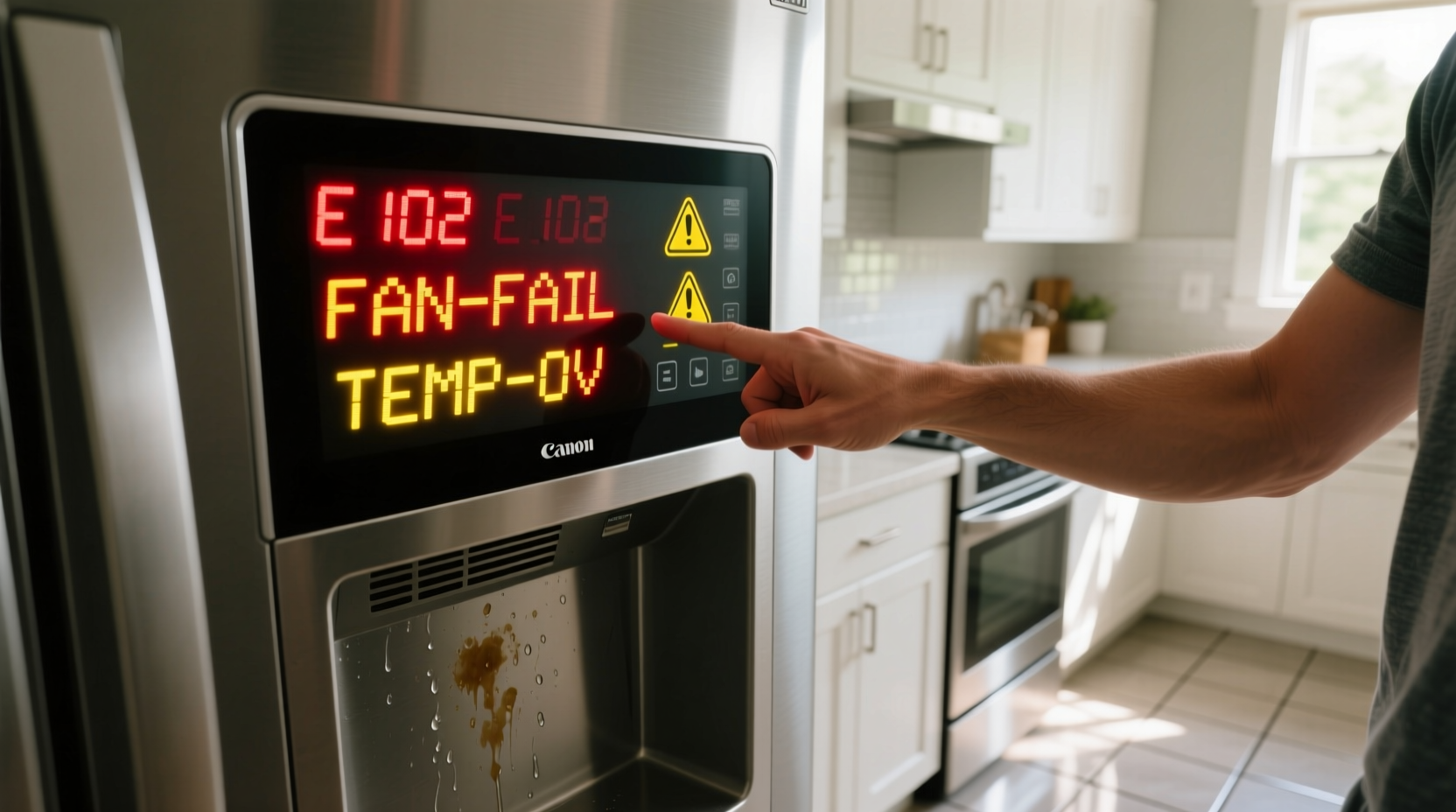
Unlike older models that might only signal trouble with a blinking light or strange noise, modern smart fridges use alphanumeric error codes (like “ER FF” or “F1”) to communicate precise faults. These appear on digital displays, smartphone apps, or sometimes both. Each brand uses its own coding system:
- LG: Uses codes such as “ER IF” (Evaporator Fan Error) or “FF” (Freezer Fan)
- Samsung: Common codes include “5E” (display issue), “22E” (communication error), or “DC” (door open alert)
- Whirlpool/KitchenAid: May show “F1” for control board issues or “FD” for defrost problems
- GE: Alerts like “H1” indicate high temperature in the fresh food compartment
The refrigerator's main control board monitors sensors throughout the unit—temperature, humidity, door switches, fans, ice makers, and water lines. When readings fall outside expected parameters, the system logs a fault and triggers the corresponding code.
“Error codes are the refrigerator’s way of speaking to you. Decoding them correctly is the first step toward effective troubleshooting.” — Carlos Mendez, Appliance Diagnostic Technician with 18 years of field experience
Common Causes of Error Codes and DIY Fixes
Not all error codes require professional help. Many result from user-related conditions that are easily corrected. Below are frequent triggers and practical steps to resolve them without tools or technical knowledge.
1. Temperature Fluctuations (e.g., H1, H2, E1)
These codes typically appear after power outages, overloading warm food, or blocked vents. The fridge detects abnormal internal temperatures.
Solution:
- Ensure doors close fully and seals are clean and intact.
- Avoid placing hot leftovers directly inside.
- Wait 4–6 hours after a power outage before expecting normal operation.
- Check that air vents between compartments aren’t obstructed by containers.
2. Door Open Alerts (e.g., DO, DC, dOor)
Some models trigger warnings if a door remains ajar longer than five minutes. Others detect faulty door switches.
Solution:
- Inspect for items preventing full closure (jars, drawer handles).
- Clean rubber gaskets with mild soapy water—dirt buildup can prevent sealing.
- Test the door switch by gently pressing near the hinge; if the interior light doesn’t turn off, the switch may be stuck.
3. Ice Maker or Water Line Errors (e.g., I3, HE, tE)
Codes related to water flow often stem from frozen lines, clogged filters, or low household water pressure.
Solution:
- Replace the water filter every six months—even if not indicated.
- Verify the home shut-off valve is fully open.
- If the ice maker isn’t producing, check for ice jams in the bin or dispenser.
- For suspected frozen fill tubes (common in side-by-side models), thaw using a hairdryer on low heat—never metal tools.
4. Fan Motor Failures (e.g., ER FF, F3, E7)
Fans circulate cold air and assist in defrost cycles. Dust accumulation or motor burnout causes errors.
Solution:
- Unplug the fridge and vacuum dust from visible fan grilles (usually at the back or behind crisper drawers).
- Listen for humming sounds when powering back on—if silent, the motor may need replacement.
Step-by-Step Guide: Resetting Your Smart Fridge After an Error
Before assuming hardware failure, perform a controlled reset. This clears temporary software glitches and reboots the control board.
- Disconnect power: Unplug the refrigerator or switch off the circuit breaker. Do not rely on turning controls “off.”
- Wait 5 minutes: This allows capacitors to discharge and resets electronic memory.
- Press and hold the “Energy Saver” or “Lock” button (if present): Some LG and Samsung models require this during reboot to initiate self-diagnosis.
- Restore power: Plug back in and observe startup sequence. Most units run internal checks for 1–2 minutes.
- Monitor for 24 hours: Avoid opening doors frequently. Check if the error returns under stable conditions.
When You Shouldn’t Attempt a DIY Fix
While many issues are manageable at home, certain error codes signal complex electrical, refrigerant, or structural problems. Tampering can lead to safety hazards, component damage, or voided warranties.
| Error Code Example | Potential Issue | DIY Safe? |
|---|---|---|
| E2/E3 (Samsung) | Communication failure between boards | No – requires proprietary diagnostics |
| F9 (GE) | Refrigerant leak detected | No – EPA-certified technician required |
| PF (Power Failure – prolonged) | Compressor damage possible | Limited – only reset, then monitor |
| HC (High Current draw) | Short circuit or failing compressor | No – risk of fire or electrical shock |
| Any code returning after reset | Persistent hardware/software fault | No – needs factory-level testing |
If your fridge emits burning smells, excessive condensation, or loud grinding noises alongside the code, stop using it immediately and contact authorized service personnel.
Real Example: A Case of the Phantom “ER FF” Code
Jamie from Portland noticed her LG French-door fridge flashing “ER FF” intermittently. The freezer worked fine, but the alert recurred weekly. She followed online forums suggesting fan replacement—a $120 part plus labor.
Instead, she performed basic troubleshooting:
- Unplugged the unit overnight.
- Used a soft brush to clean the rear vent area.
- Checked the evaporator fan manually—spun freely, no obstructions.
After resetting, the code disappeared. Later, she discovered a grocery bag had been leaning against the lower vent for weeks, restricting airflow enough to trigger false readings. No parts replaced—just repositioned storage.
This illustrates how environmental factors—not component failure—often cause misleading alerts.
Checklist: Can You Fix It Yourself?
Use this checklist before deciding whether to proceed solo or call a pro:
- ✅ Did the error appear after a power surge or outage?
- ✅ Have you tried a full power reset?
- ✅ Are doors closing properly with no obstructions?
- ✅ Is the water filter recently replaced (if applicable)?
- ✅ Are vents clear of food containers or ice buildup?
- ✅ Does the fridge maintain cold temperatures despite the code?
- ✅ Has the same code returned multiple times after resetting?
- ❌ If yes to the last question → Call support
If all checked boxes are positive except recurrence, you likely face a deeper issue needing expert evaluation.
FAQ: Frequently Asked Questions
Can I look up my fridge’s error code online?
Yes. Most manufacturers publish error code lists in user manuals or support portals. Search “[Brand] [Model Number] error codes” for accurate results. Avoid third-party forums for definitive answers—misinformation is common.
Will unplugging my fridge erase settings or affect food safety?
A brief disconnection (under 10 minutes) rarely impacts food if doors stay closed. However, Wi-Fi pairings, alarm settings, and custom temps may reset. Always keep a thermometer inside to verify safe zones (<40°F fresh food, <0°F freezer).
Do smart fridges have self-diagnostic modes?
Many do. For example, Samsung models enter diagnostic mode by pressing “Fridge” and “Energy Saver” simultaneously for 3 seconds. LG units may use “Refrigerator” + “Ice Type” buttons. These modes display real-time sensor data and stored error history—but should only be used if you understand the output.
Final Tips for Long-Term Reliability
Preventing error codes starts with consistent maintenance. Treat your smart fridge not just as an appliance, but as a connected system requiring care.
- Schedule seasonal cleaning: Wipe seals, vacuum coils (every 6 months), and inspect water lines.
- Update firmware: Enable automatic updates or check the manufacturer’s app quarterly. Patches often fix known bugs causing false alarms.
- Monitor usage patterns: Frequent door openings, overfilling, or setting excessively low temps increase system stress.
- Keep records: Note dates, codes, and actions taken. This helps technicians identify recurring faults faster.
“Over 60% of service calls for error codes end with ‘no fault found’ because users didn’t reset or misread transient alerts.” — National Appliance Repair Association Annual Report, 2023
Conclusion: Take Control—Safely and Confidently
Seeing an error code on your smart fridge doesn’t automatically mean disaster. In most cases, the problem is minor, reversible, and well within your ability to address. By understanding the meaning behind the message, following structured troubleshooting, and knowing your limits, you gain confidence and avoid unnecessary costs.
Start with observation, proceed with a reset, eliminate simple causes, and consult official resources before taking action. When in doubt, reach out to customer support with your model number and recorded error behavior—they’re trained to guide you through next steps without risking damage.
Your smart fridge is designed to help you—not frustrate you. With the right approach, you can restore function quickly, extend the appliance’s lifespan, and maintain peace of mind in your kitchen.




 浙公网安备
33010002000092号
浙公网安备
33010002000092号 浙B2-20120091-4
Comments
No comments yet. Why don't you start the discussion?