
Sometimes, the most resilient houseplants send distress signals in subtle ways. When a snake plant—a species celebrated for its toughness—begins to lean, wobble, or collapse, it’s not just an aesthetic issue. It’s a warning. The upright, sword-like leaves that define this popular indoor plant should stand firm. If yours is toppling, the problem likely runs deeper than poor placement. Root rot and structural instability are the two most common culprits behind a drooping snake plant. Understanding the causes, recognizing early signs, and taking timely corrective action can mean the difference between revival and loss.
The Anatomy of Stability: Why Snake Plants Stand Tall
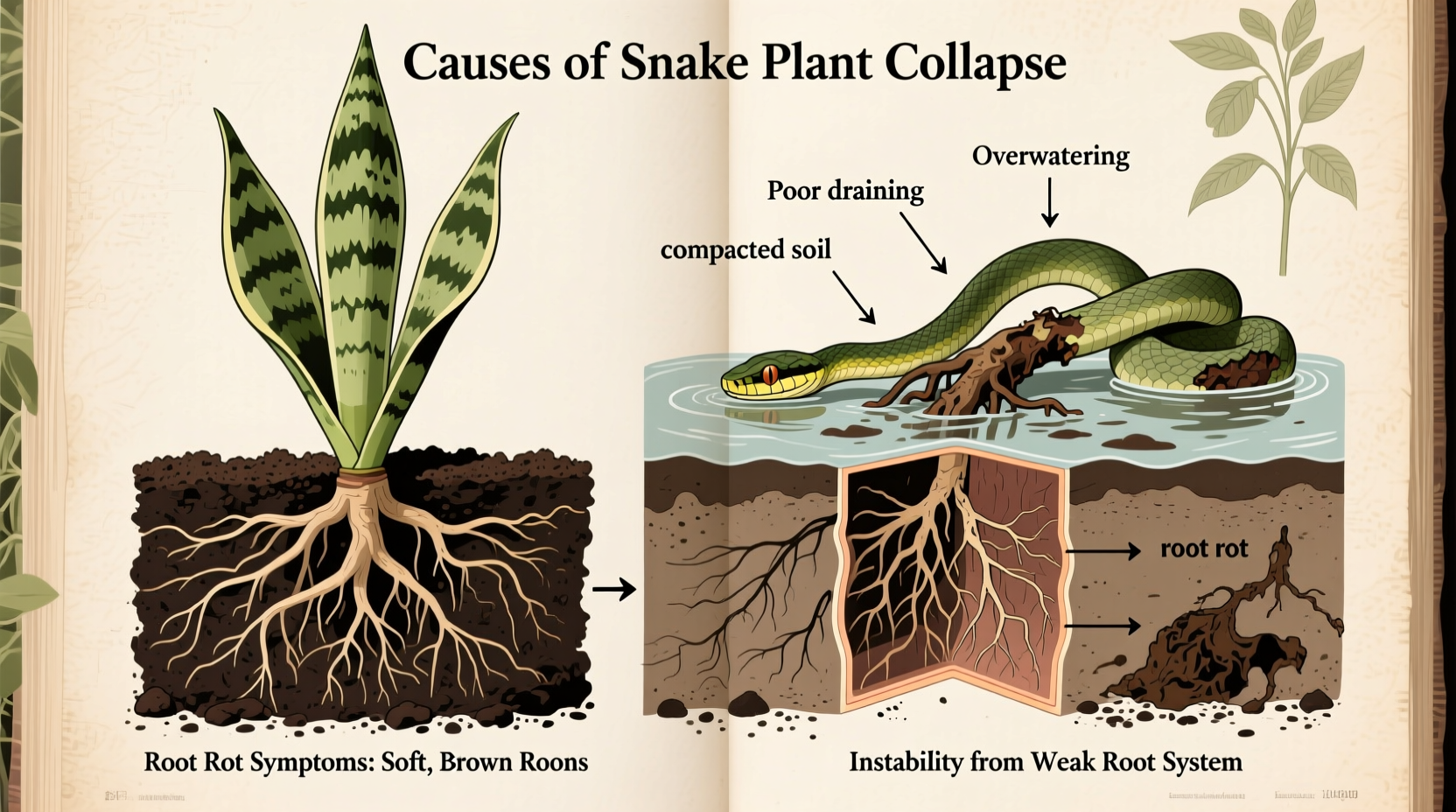
Schafferiana, commonly known as the snake plant or mother-in-law’s tongue, has evolved to thrive in arid environments with minimal water and intense sunlight. Its thick, succulent leaves store moisture, while its rhizomatous root system spreads horizontally beneath the soil surface, anchoring the plant firmly. This natural design allows it to remain upright even under stress.
When the plant starts to fall over, it indicates a breakdown in one or more of these foundational systems. The collapse may begin subtly—one leaf leaning at an odd angle—then progress to entire clumps flopping sideways. In advanced cases, the base becomes mushy, and the plant pulls out of the soil with little resistance. These are not random events; they are symptoms of underlying issues rooted in care practices.
Root Rot: The Silent Killer Beneath the Soil
Root rot is the leading cause of snake plant instability. Unlike pests or visible diseases, root rot develops unseen, silently destroying the plant’s foundation until it can no longer support itself. It occurs when the roots are exposed to prolonged moisture, creating ideal conditions for fungal pathogens like Pythium and Fusarium to invade.
Snake plants are adapted to dry soil. Their roots lack the protective mechanisms found in aquatic or moisture-loving species. When kept in wet soil for too long, the roots suffocate due to lack of oxygen. As cells die, they become entry points for microbes. The infection spreads rapidly, turning healthy white or light tan roots into dark, slimy strands.
Once root rot sets in, the plant loses its ability to absorb water and nutrients—even if you stop overwatering. The decayed roots cannot regenerate, and the remaining structure weakens, causing the entire plant to lose balance.
“Over 70% of snake plant failures I see in home environments trace back to overwatering and poor drainage. These plants don’t need frequent watering—they need periods of drought.” — Dr. Lena Reyes, Urban Horticulturist and Plant Pathology Specialist
Signs of Root Rot in Snake Plants
- Leaves turn yellow or brown starting from the base
- Soil remains damp for days after watering
- Mushy, dark roots instead of firm, fibrous ones
- Foul odor emanating from the pot
- Plant tilts or falls over despite adequate light
Potting Problems: How Container Choice Affects Stability
The right pot does more than hold soil—it supports the plant’s physical and physiological health. Many snake plant collapses stem from inappropriate containers that encourage water retention and restrict root development.
Common mistakes include using pots without drainage holes, selecting containers that are too large, or using dense, moisture-retentive soils. A pot that's oversized holds excess soil, which stays wet long after watering. Since snake plants grow slowly, they don’t quickly colonize large volumes of soil, leaving unused areas prone to stagnation.
Additionally, lightweight plastic or ceramic pots may tip over as the plant grows taller, especially if the center of gravity shifts due to uneven growth or root damage on one side.
| Pot Type | Pros | Cons |
|---|---|---|
| Clay (Terracotta) | Breathable, reduces moisture buildup, heavy base adds stability | Dries too fast in dry climates, fragile |
| Plastic | Lightweight, retains moisture, affordable | Can become top-heavy, promotes overwatering |
| Glazed Ceramic | Attractive, moderate moisture retention | Heavy but slippery base, must have drainage |
| Cement/Concrete | Extremely stable, excellent weight distribution | Very heavy, limited availability |
Environmental Stressors That Weaken Structural Integrity
Even with proper watering and potting, environmental factors can contribute to instability. Light, temperature, and airflow all play roles in maintaining a strong, balanced plant.
Insufficient light causes etiolation—where the plant stretches toward the nearest light source, producing elongated, weak leaves. These thin, pale blades lack the rigidity to stand upright and often flop over. Similarly, sudden temperature drops or exposure to cold drafts can shock the plant, slowing metabolism and weakening cell walls.
Poor air circulation increases humidity around the base, promoting fungal growth and delaying soil drying. Placing a snake plant in a dim, humid bathroom without ventilation, for example, creates a perfect storm for root rot and instability.
Mini Case Study: Reviving a Collapsed Snake Plant
Samantha, a plant owner in Austin, Texas, noticed her 3-foot-tall snake plant leaning sharply to one side. At first, she assumed it needed staking. But when two leaves collapsed overnight, she decided to investigate. She removed the plant from its pot and discovered dark, mushy roots and a sour smell. The soil was still damp 10 days after watering.
She trimmed away the rotted roots, repotted the healthy sections in fresh cactus mix inside a terracotta container, and placed it near a south-facing window. Within six weeks, new shoots emerged, and the plant regained its vertical form. Her key realization? “I was watering it every 10 days ‘just to be safe.’ Turns out, it only needed water once a month.”
Step-by-Step Guide to Diagnose and Fix a Falling Snake Plant
Acting quickly improves recovery chances. Follow this timeline to assess and correct the issue:
- Day 1 – Assess Symptoms: Check for yellowing leaves, soft bases, and soil moisture. Gently tug the plant to test root grip.
- Day 2 – Unpot and Inspect: Remove the plant from its container. Shake off soil and examine the roots. Healthy roots are firm and light-colored; rotten ones are black, brown, or mushy.
- Day 3 – Prune Damaged Tissue: Using sterilized scissors, cut away all dead or diseased roots and any leaves that are more than 50% damaged.
- Day 4 – Treat and Repot: Dust the remaining roots with cinnamon (a natural fungicide) or use a commercial root rot treatment. Repot in a well-draining mix—ideally two parts potting soil, one part perlite, and one part coarse sand.
- Day 5 – Adjust Environment: Place the plant in bright, indirect light. Avoid direct sun immediately after repotting to reduce stress.
- Day 6–30 – Monitor and Withhold Water: Wait at least 10–14 days before watering. Then, apply a small amount and check soil weekly. Only water when the top 2–3 inches are completely dry.
- Week 6+ – Resume Normal Care: Once new growth appears, resume a seasonal watering schedule. Fertilize lightly in spring and summer only.
Prevention Checklist: Keep Your Snake Plant Upright and Healthy
Preventing collapse is easier than fixing it. Use this checklist to maintain long-term stability:
- ✅ Water only when soil is completely dry (typically every 2–6 weeks depending on climate)
- ✅ Use a pot with drainage holes and breathable material like terracotta
- ✅ Choose a well-draining soil mix (cactus or succulent blend)
- ✅ Provide bright, indirect light for at least 6–8 hours daily
- ✅ Rotate the plant monthly for even growth
- ✅ Avoid misting or letting water pool in the leaf axils
- ✅ Inspect roots annually during repotting (every 2–3 years)
Frequently Asked Questions
Can a snake plant recover from root rot?
Yes, if caught early. As long as some healthy roots and firm leaves remain, the plant can regenerate. Remove all decayed tissue, repot in dry, sterile mix, and withhold water until new growth appears. Full recovery may take 6–12 weeks.
Why do only some leaves fall over?
This often indicates localized root damage. One section of the root system may be affected by rot or compaction while others remain functional. Isolate the damaged part during repotting and propagate healthy leaves if needed.
Should I stake a falling snake plant?
Staking is a temporary fix and should only be used after addressing the root cause. Propping up a plant with active root rot will not solve the problem and may delay necessary intervention. Use stakes only as a short-term support during recovery.
Conclusion: Restore Strength from the Roots Up
A falling snake plant is not a lost cause—it’s a call to reassess your care routine. Root rot and instability are almost always preventable with mindful watering, proper potting, and attention to environment. By understanding the plant’s natural needs and respecting its limits, you can restore its strength and enjoy its architectural beauty for years. Don’t wait for total collapse. Act at the first sign of weakness, and give your snake plant the foundation it deserves.




 浙公网安备
33010002000092号
浙公网安备
33010002000092号 浙B2-20120091-4
Comments
No comments yet. Why don't you start the discussion?