
Turtles are naturally cautious creatures, but if your pet hasn’t emerged from its shell for extended periods or seems unusually withdrawn, it’s worth paying close attention. While retreating into the shell is a normal defense mechanism, persistent retraction—especially when accompanied by lethargy, loss of appetite, or unusual behavior—can indicate underlying stress or health issues. Understanding the reasons behind this behavior is essential for ensuring your turtle's well-being.
This guide explores the physiological and environmental factors that cause turtles to remain inside their shells, identifies common signs of stress, and provides actionable steps to create a healthier, more comfortable habitat. Whether you're a new turtle owner or have years of experience, recognizing early warning signs can prevent long-term complications and support a thriving reptile companion.
Understanding Turtle Behavior: The Role of the Shell
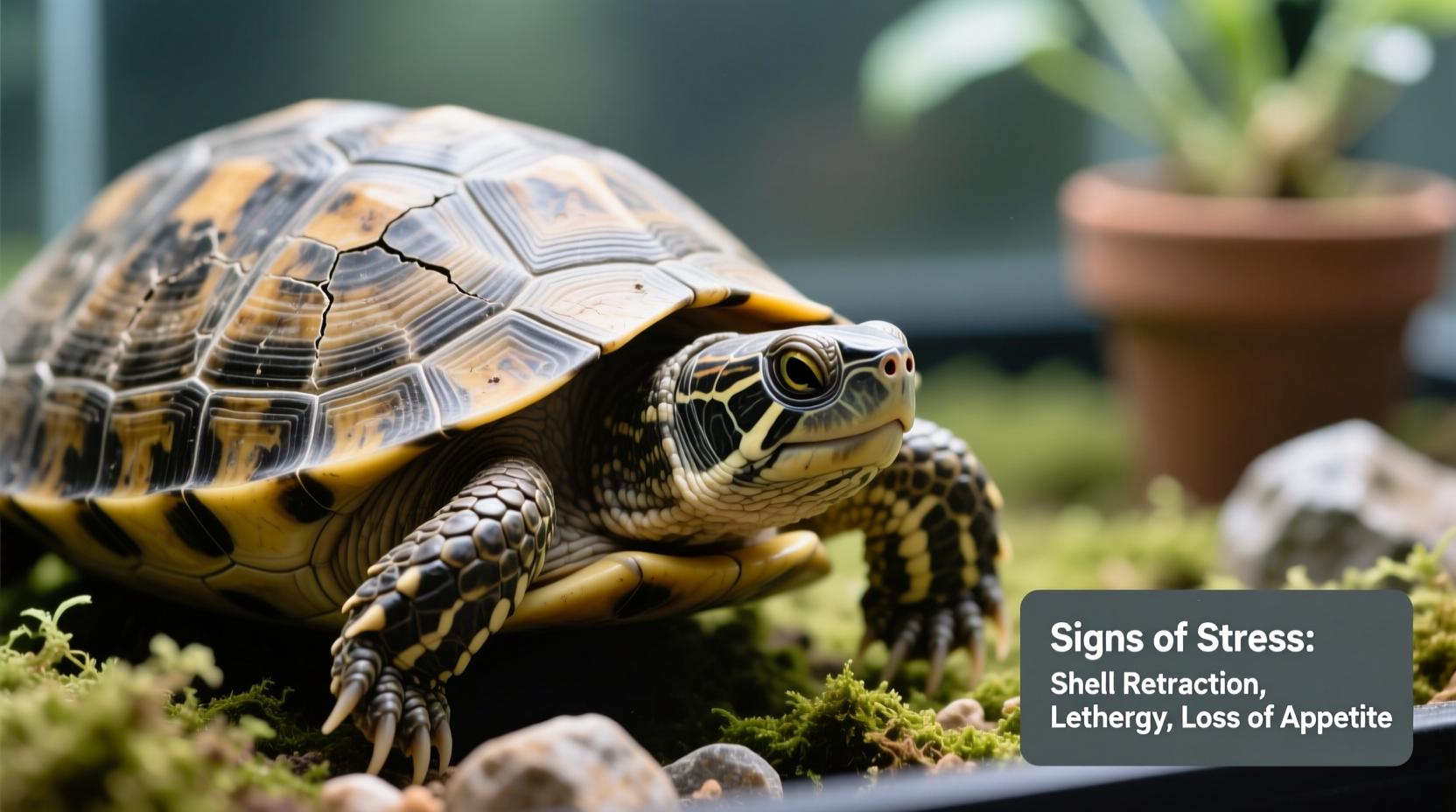
A turtle’s shell is more than just protective armor—it’s an integral part of its skeletal structure, fused with the spine and ribcage. Unlike myths suggesting turtles can “leave” their shells, they are permanently attached and cannot remove themselves. When threatened, turtles pull their limbs, head, and tail inward as a survival instinct. This reflex is natural and typically short-lived.
However, if your turtle remains retracted for hours at a time outside of sleep or basking cycles, especially during active daylight hours, it may signal discomfort. Prolonged withdrawal often correlates with environmental stressors, illness, or fear. Turtles rely heavily on routine and stability; even minor disruptions like loud noises, sudden movements, or changes in tank setup can trigger defensive behaviors.
Common Signs of Stress in Turtles
Stress in turtles doesn't always manifest dramatically. Because they’re ectothermic (cold-blooded) and move slowly, subtle shifts in behavior are often the first indicators of distress. Recognizing these signs early can prevent escalation into more serious health conditions such as respiratory infections or shell rot.
- Lethargy: Unusual inactivity, refusal to swim, or lack of interest in food.
- Loss of Appetite: Skipping meals for two or more days without shedding or hibernation cues.
- Excessive Hiding: Staying under rocks, plants, or in corners beyond normal resting periods.
- Erratic Swimming: Floating lopsidedly, struggling to dive, or gasping at the surface.
- Physical Changes: Cloudy eyes, nasal discharge, soft shell areas, or swollen limbs.
- Vocalization (rare): Some turtles emit faint hissing sounds when stressed—though not common, it indicates acute fear.
Chronic stress suppresses the immune system, making turtles vulnerable to bacterial and fungal infections. In captivity, poor husbandry is the leading cause of stress-related illness. Ensuring proper temperature gradients, clean water, and mental stimulation goes a long way in preventing psychological strain.
Environmental Causes of Turtle Stress
The quality of a turtle’s environment directly impacts its sense of safety and willingness to explore. A poorly maintained tank can feel threatening rather than secure. Below are the most frequent environmental stressors and how they affect turtle behavior.
Incorrect Temperature Zones
Turtles require both warm basking areas (between 85°F–95°F) and cooler water zones (75°F–80°F). Without a thermal gradient, they cannot regulate their body temperature effectively. A cold environment slows metabolism, causing lethargy and prolonged shell retraction.
Poor Water Quality
Ammonia buildup from waste, uneaten food, or inadequate filtration leads to skin and shell irritation. Turtles may retreat into their shells to protect sensitive tissues. Regular testing and partial water changes (25–50% weekly) are crucial.
Inadequate Basking Area
If the basking platform is too small, slippery, or unreachable, turtles won’t dry off properly. Moisture trapped under the shell promotes fungal growth and increases discomfort, prompting defensive withdrawal.
Overcrowding or Aggressive Tank Mates
Even seemingly peaceful species can become territorial. If housed with other turtles or fast-moving fish, your turtle may feel constantly threatened. Solitary housing is often safest unless compatibility is well-documented.
Excessive Noise or Handling
Frequent tapping on the glass, loud household sounds, or over-handling disrupts a turtle’s sense of security. These disturbances mimic predator threats in the wild, triggering prolonged hiding.
“Turtles thrive on predictability. Sudden changes in lighting, noise levels, or human interaction patterns can induce chronic stress even when physical needs appear met.” — Dr. Lena Torres, Exotic Veterinarian & Reptile Behavior Specialist
Troubleshooting Checklist: Is Your Turtle Stressed?
Use this checklist to systematically evaluate potential causes of your turtle’s reluctance to emerge from its shell:
- ✅ Check water temperature with a reliable aquarium thermometer.
- ✅ Verify basking light reaches 85–95°F using a digital probe.
- ✅ Test water parameters: Ammonia = 0 ppm, Nitrite = 0 ppm, pH between 6.5–8.0.
- ✅ Inspect filter function and perform a partial water change if needed.
- ✅ Ensure the basking area is easily accessible and large enough for full-body drying.
- ✅ Assess tank mates for signs of aggression or competition.
- ✅ Minimize direct handling and reduce background noise near the enclosure.
- ✅ Provide visual barriers (plants, caves) so the turtle can hide without feeling exposed.
- ✅ Monitor feeding habits: Offer food at consistent times and remove uneaten portions after 30 minutes.
- ✅ Watch for physical symptoms: swelling, discoloration, labored breathing.
Case Study: Recovering a Withdrawn Red-Eared Slider
Mark, a first-time turtle owner, noticed his red-eared slider, Leo, had stopped leaving his shell entirely after two weeks of ownership. Leo refused food, floated awkwardly, and remained motionless at the bottom of the tank. Concerned, Mark consulted a local reptile veterinarian.
Upon inspection, the vet discovered several issues: the basking lamp was placed too far from the platform, resulting in only 78°F surface heat; the water tested high in ammonia due to an undersized filter; and the tank sat next to a noisy washing machine.
The vet recommended immediate adjustments:
- Replace the basking bulb with a higher-wattage UVA/UVB combo lamp.
- Upgrade the filter and perform a 50% water change.
- Relocate the tank to a quieter corner of the home.
- Add floating plants for cover and reduce handling.
Within five days, Leo began stretching his neck out more frequently. By day ten, he resumed regular basking and accepted small pieces of aquatic turtle pellets. After three weeks, his swimming normalized and full activity returned. This case highlights how multiple low-grade stressors can compound into severe behavioral shutdown—even when no single factor appears critical.
Do’s and Don’ts of Turtle Care: Avoiding Stress Traps
| Do’s | Don’ts |
|---|---|
| Maintain a consistent day/night cycle with automatic timers for lights. | Leave lights on 24/7—this disrupts sleep and causes stress. |
| Provide UVB lighting for 10–12 hours daily to support metabolism and immunity. | Use regular household bulbs instead of reptile-specific UVB lamps. |
| Offer a varied diet: commercial pellets, leafy greens, and occasional protein (e.g., earthworms). | Feed only iceberg lettuce or bread—these lack essential nutrients. |
| Clean the tank weekly and replace 25–50% of water regularly. | Let debris accumulate or ignore cloudy water—it harms gill and skin health. |
| Handle gently and infrequently, supporting the plastron (bottom shell). | Dangle or drop the turtle—this induces panic and spinal injury risk. |
When to Seek Veterinary Help
While many cases of shell retraction resolve with improved care, some require professional intervention. Persistent symptoms lasting more than 7–10 days despite environmental corrections should prompt a visit to a qualified exotic animal veterinarian.
Conditions that demand urgent attention include:
- Swollen or closed eyes (possible vitamin A deficiency)
- Soft, pitted, or discolored shell (signs of metabolic bone disease or infection)
- Bubble-blowing at the mouth or nose (respiratory infection)
- Open wounds, abscesses, or foul odor
- Complete refusal to eat for over a week (excluding brumation season)
Diagnostic tools such as blood panels, X-rays, and bacterial cultures help pinpoint internal issues invisible to owners. Early treatment improves recovery rates significantly.
Frequently Asked Questions
Can turtles die from stress?
Yes. Chronic stress weakens the immune system, increasing susceptibility to life-threatening infections like pneumonia or septicemia. While stress alone isn’t instantly fatal, it accelerates decline when combined with poor nutrition or disease.
How long do turtles normally stay in their shells?
Turtles routinely tuck in for short periods—seconds to a few minutes—when startled. During rest or sleep, partial retraction is normal. However, remaining fully withdrawn for hours outside of nighttime or cool temperatures warrants investigation.
Is it bad if my turtle never comes out of its shell?
Yes. Complete avoidance of activity, feeding, or basking suggests significant distress. Normal turtles alternate between exploration, eating, swimming, and basking. Consistent isolation indicates something is wrong with their environment or health.
Conclusion: Supporting a Confident, Healthy Turtle
Your turtle’s reluctance to leave its shell is not just quirky behavior—it’s a communication tool. By learning to interpret what that retraction means, you gain insight into your pet’s emotional and physical state. Most cases stem from fixable environmental imbalances rather than irreversible illness. With attentive observation, consistent care, and timely adjustments, most turtles regain confidence and resume healthy routines.
Create a stable, enriched habitat, minimize disturbances, and monitor behavior closely. Small improvements in lighting, water quality, or diet can transform a fearful, withdrawn turtle into an active, curious companion. Your efforts today lay the foundation for years of quiet companionship and well-being.




 浙公网安备
33010002000092号
浙公网安备
33010002000092号 浙B2-20120091-4
Comments
No comments yet. Why don't you start the discussion?