
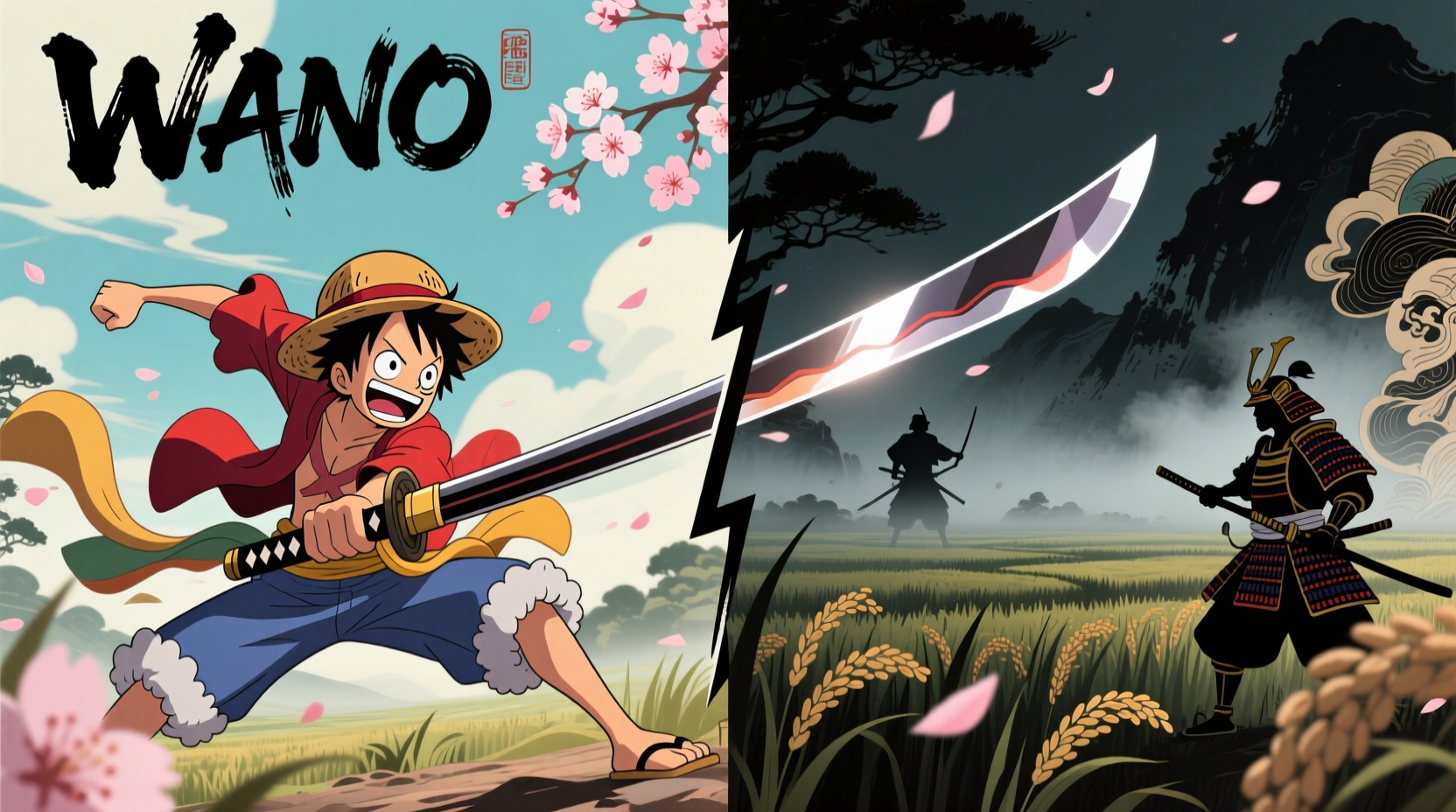
The Wano Arc of One Piece, which began airing in 2019 and spanned over three years, marked a turning point not just in storytelling but also in visual presentation. Fans around the world noticed an immediate shift: sharper lines, more detailed backgrounds, fluid fight choreography, and a cinematic tone unlike anything seen before in the series. While some praised the transformation as a long-overdue upgrade, others questioned why the animation looked so drastically different after two decades of consistent (and often criticized) quality. The answer lies in a confluence of creative ambition, production changes, technological advancement, and evolving industry standards.
This article breaks down the key reasons behind the dramatic evolution of One Piece's animation during the Wano Arc—how it happened, who was responsible, and what it means for the future of the franchise.
A Shift in Animation Studio Leadership
For most of its run, One Piece has been animated by Toei Animation, a studio with deep roots in classic anime production. However, long-term fans were no strangers to inconsistent episode quality, particularly in non-filler arcs where budget constraints and tight schedules led to reused frames, limited motion, and simplified character designs.
The Wano Arc coincided with a significant internal shift at Toei. In 2019, longtime director Tatsuya Nagamine stepped back, and **Toshinori Fukuzawa** took over as chief director. Unlike previous leadership, Fukuzawa pushed for higher production values and collaborated closely with Eiichiro Oda, the manga’s creator, to ensure the anime matched the intensity and detail of the source material.
Fukuzawa wasn't alone. The production team welcomed new key animators, storyboard artists, and episode directors known for their work on high-quality action anime like My Hero Academia and Jujutsu Kaisen. This influx of fresh talent brought modern animation techniques into a series that had, until then, relied heavily on traditional TV anime workflows.
“Oda-sensei wanted Wano to feel like a samurai epic from the start. We knew we couldn’t deliver that with the same old approach.” — Toshinori Fukuzawa, Chief Director of One Piece (2020 Interview, Animage)
Increased Budget and Production Prioritization
One of the most decisive factors in the improved animation was a noticeable increase in budget allocation. As One Piece approached its 20th anniversary and global popularity surged—especially with Netflix streaming older seasons and Crunchyroll expanding its reach—Toei recognized the need to elevate the show’s visual appeal.
The Wano Arc was treated as a flagship event. Episodes featuring major battles—such as Luffy vs. Kaido or Zoro vs. King—were labeled “special episodes” and received extended runtimes, sometimes up to 30% longer than standard. These episodes were produced with limited animation crews focused solely on key sequences, allowing for meticulous frame-by-frame work.
Moreover, overseas outsourcing—a common cost-cutting practice in weekly anime—was reduced significantly. Instead of delegating scenes to cheaper studios in Korea or the Philippines, Toei kept critical sequences in-house or assigned them to trusted Japanese subcontractors specializing in dynamic action.
Adoption of Digital Animation Tools
Prior to Wano, One Piece used a hybrid of digital and traditional animation methods. While backgrounds were digital, many character movements still relied on hand-drawn cels scanned into software. The Wano Arc marked a full transition to digital workflows using tools like CSP (Clip Studio Paint) and RETAS, enabling smoother layering, color correction, and effects integration.
More importantly, the team adopted advanced compositing techniques. Lighting effects, smoke simulations, and camera depth—elements previously absent or rudimentary—became central to battle scenes. For example, the use of dynamic lighting during Luffy’s Gear 5 transformation created a surreal, almost painterly atmosphere that echoed Oda’s expressive manga panels.
This digital leap allowed for greater consistency across episodes and enabled the reuse of high-quality assets without sacrificing fluidity. Animators could now focus on enhancing motion rather than redrawing entire scenes.
Artistic Vision Aligned with the Manga
The Wano Arc in the manga is arguably Eiichiro Oda’s most visually ambitious story yet. Drawing inspiration from Japanese ukiyo-e art, kabuki theater, and feudal history, Oda packed each chapter with intricate details—from armor patterns to castle architecture. Translating this richness into animation required a complete rethinking of the show’s aesthetic.
To honor this vision, the background art team studied historical references and collaborated with cultural consultants. Traditional Japanese motifs were digitally recreated with precision. Even the color palette shifted: warmer reds, indigos, and golds replaced the brighter, cartoonish tones of earlier arcs.
Character designs were subtly refined. While staying true to Oda’s exaggerated proportions, animators added weight and impact to movements. Attacks felt heavier, landings created dust clouds, and facial expressions became more nuanced—particularly during emotional beats like Yamato’s final moments.
Comparison of Animation Styles Across Key Arcs
| Story Arc | Animation Style | Key Features | Battle Fluidity |
|---|---|---|---|
| Marineford (2010) | Traditional 2D, limited motion | Static shots, reused frames | Moderate |
| Dressrosa (2015) | Mixed digital, early CGI | CG colosseum, choppy transitions | Low to Moderate |
| Whole Cake Island (2017) | Digital transition phase | Better effects, inconsistent pacing | Moderate |
| Wano Country (2019–2022) | Fully digital, cinematic approach | Dynamic angles, layered lighting, detailed BGs | High |
Real Example: The Onigashima Battle Sequence
Consider Episode 957, “The Final Battle Begins! The Alliance vs. the Beasts Pirates!” This episode serves as a microcosm of the Wano-era transformation. It opens with a sweeping aerial shot of Onigashima, rendered in rich textures and atmospheric perspective—something rarely attempted in earlier seasons.
As the Straw Hats storm the castle, each character’s entrance is given unique animation treatment: Sanji’s Black Leg style uses rapid line blurs and impact flashes; Jinbe’s Fish-Man Karate incorporates water ripple effects simulated in post-production; and Zoro’s three-sword stance features precise sword glint timing.
Most striking is the absence of “slide animation”—a cost-saving technique where characters glide across static backgrounds. Instead, both foreground and background move in tandem, creating a sense of momentum. This level of coordination requires significantly more man-hours and tighter direction, both of which were prioritized for Wano.
Expert Collaboration and Fan Expectations
Eiichiro Oda’s involvement in the anime increased during the Wano Arc. He provided direct feedback on storyboards, approved character voice directions, and even suggested specific camera angles to match pivotal manga spreads. His insistence on fidelity elevated the production’s creative bar.
At the same time, audience expectations had evolved. Modern shonen anime like Chainsaw Man and Demon Slayer set new benchmarks for action animation. Fans no longer accepted stiff fights or recycled cuts. Social media amplified criticism, making it impossible for Toei to ignore quality concerns.
In response, the studio began releasing “animation spotlight” videos on YouTube, highlighting key frames and thanking individual animators—an unprecedented move for a long-running series. This transparency signaled a new era of accountability and pride in craftsmanship.
Checklist: How to Identify High-Quality One Piece Episodes Post-Wano
- ✅ Look for episodes with extended runtime (25+ minutes)
- ✅ Check credits for names like Atsushi Nakayama or Kana Kitagawa (lead animators)
- ✅ Notice layered background depth and parallax scrolling
- ✅ Observe consistent lip-sync and facial micro-expressions
- ✅ Watch for dynamic camera movement during fights (rotations, zooms, Dutch angles)
- ✅ See if impact frames include light flares, debris, or screen shakes
Frequently Asked Questions
Did the same studio animate all of One Piece, including Wano?
Yes, Toei Animation has produced One Piece since its debut in 1999. However, the Wano Arc involved a restructured team, new directors, and upgraded workflows, even though the studio remained the same.
Why didn’t they improve the animation earlier?
Weekly anime production is grueling, with only 3–4 weeks per episode. Budget limitations and scheduling pressures made consistent high-quality animation nearly impossible before Wano. The shift reflects better resource allocation and long-term planning.
Will future arcs maintain this level of animation?
Early signs suggest yes. The Egghead Arc (2023–2024) continues the trend with sophisticated sci-fi visuals and complex mechanical animation. While not every episode will be a masterpiece, the baseline quality has permanently risen.
Conclusion: A New Era for One Piece
The transformation of One Piece’s animation in the Wano Arc wasn’t accidental—it was the result of deliberate choices: stronger leadership, increased investment, technological upgrades, and respect for the source material. What once seemed like a relic of 90s anime now stands alongside the best modern productions in terms of visual storytelling.
This evolution proves that longevity doesn’t have to mean stagnation. With Oda’s endgame unfolding and global interest at an all-time high, One Piece has reasserted itself not just as a cultural phenomenon, but as a technically ambitious anime willing to innovate.




 浙公网安备
33010002000092号
浙公网安备
33010002000092号 浙B2-20120091-4
Comments
No comments yet. Why don't you start the discussion?