
Vyvanse, the brand name for lisdexamfetamine dimesylate, is one of the most commonly prescribed medications for attention-deficit/hyperactivity disorder (ADHD) in adults and children. It's also approved for treating moderate to severe binge eating disorder. While it offers significant therapeutic benefits, Vyvanse is classified as a controlled substance—specifically, a Schedule II drug under the Controlled Substances Act (CSA). This designation carries legal, medical, and safety implications that patients, caregivers, and healthcare providers must understand.
The classification isn't arbitrary. It reflects a careful evaluation of the drug’s potential for abuse, dependence, and public health risk. Understanding why Vyvanse is scheduled—and what that means in practice—can help users make informed decisions about treatment, storage, and compliance with regulations.
What Does “Controlled Substance” Mean?
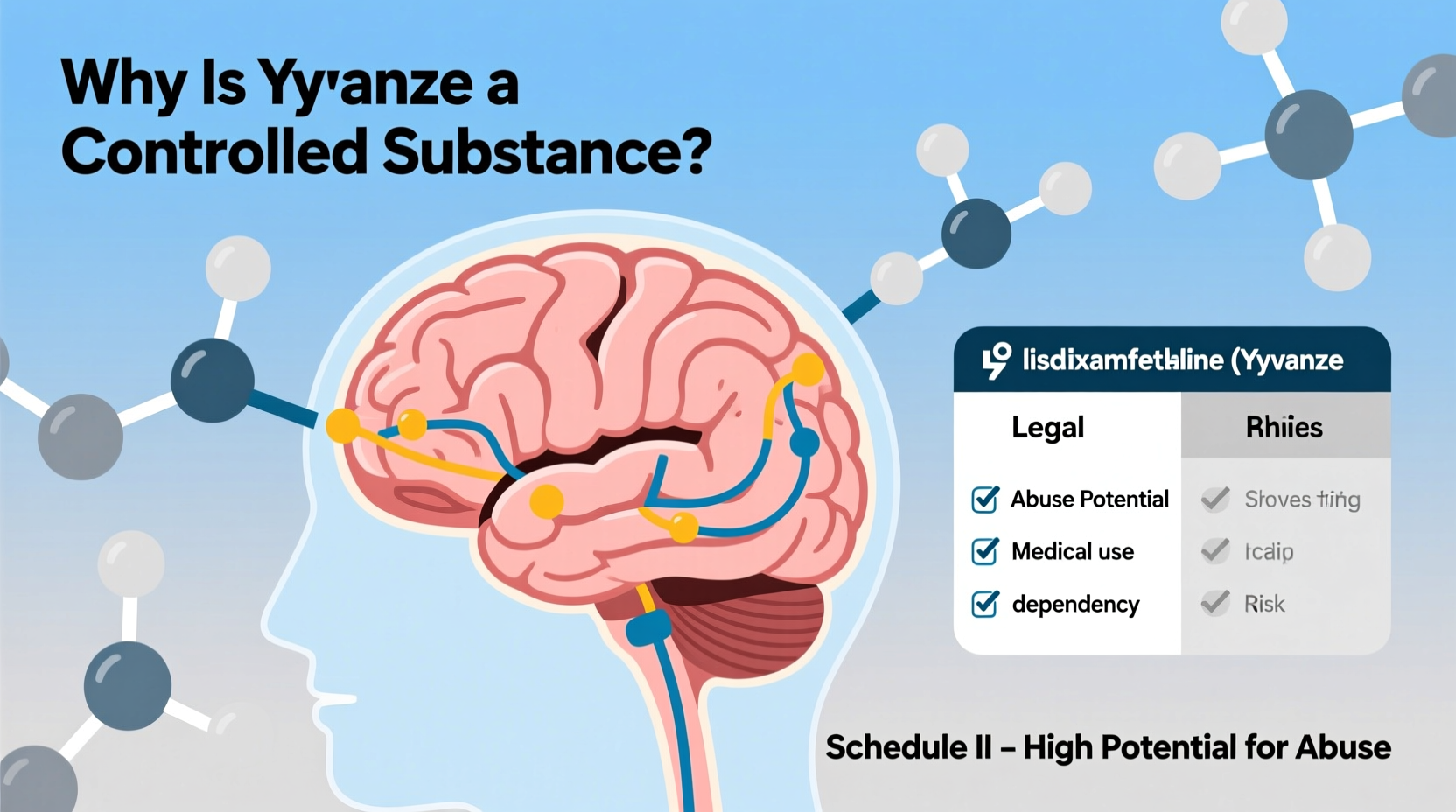
A controlled substance is any drug or chemical whose manufacture, possession, distribution, and use are regulated by the government due to its potential for abuse or harm. In the United States, the Drug Enforcement Administration (DEA) enforces these regulations under the CSA, which categorizes substances into five schedules based on their medical utility and risk profile.
- Schedule I: High abuse potential, no accepted medical use (e.g., heroin, LSD).
- Schedule II: High abuse potential, but accepted medical uses with severe restrictions (e.g., morphine, Adderall, cocaine).
- Schedules III–V: Decreasing levels of abuse potential and increasing safety with medical use.
Vyvanse falls under Schedule II, placing it in the same category as powerful stimulants and opioids. This doesn’t mean it’s as dangerous as heroin—but it does signal that misuse can lead to serious physical or psychological dependence.
Why Is Vyvanse Classified as Schedule II?
The DEA’s decision to place Vyvanse in Schedule II was based on scientific evidence, clinical data, and expert review. Several key factors contributed to this classification:
1. Pharmacological Action
Vyvanse is a prodrug of dextroamphetamine, meaning it is inactive until metabolized in the body. Once converted, it increases levels of dopamine and norepinephrine in the brain—neurotransmitters associated with focus, alertness, and reward. These effects are beneficial for people with ADHD but can produce euphoria and heightened energy in those without a medical need, making the drug attractive for misuse.
2. Potential for Abuse and Dependence
Although Vyvanse has a slower onset and smoother duration than immediate-release amphetamines, it still carries a risk of addiction. Studies show that individuals may crush and snort the medication to bypass its time-release mechanism, intensifying the high. Chronic misuse can lead to tolerance, withdrawal symptoms, and compulsive use patterns.
“Even when used as prescribed, stimulants like Vyvanse require close monitoring because of their impact on the central nervous system and potential for diversion.” — Dr. Alan Carter, Clinical Pharmacist and CNS Specialist
3. Public Health and Diversion Risk
Vyvanse prescriptions have risen steadily over the past decade, paralleling increased ADHD diagnoses. However, this growth has also led to greater availability on the black market. College students, in particular, sometimes misuse prescription stimulants to enhance academic performance—a practice known as \"cosmetic neuroenhancement.\" The DEA considers such non-medical use a significant public health concern.
How Being a Schedule II Drug Affects Patients
The Schedule II status impacts how Vyvanse is prescribed, dispensed, and monitored. Unlike over-the-counter medications or lower-scheduled drugs, strict rules govern its use:
- Prescriptions cannot be refilled; a new script is required each time.
- Electronic or written prescriptions are allowed, but verbal orders from doctors are not permitted.
- Pharmacies must maintain detailed records of dispensing.
- Federal law limits prescription quantities and duration.
These restrictions aim to reduce diversion—the transfer of legally prescribed drugs to illicit markets—while ensuring patients receive appropriate oversight. For individuals relying on Vyvanse for daily functioning, these rules mean more frequent doctor visits and less flexibility in pharmacy choices.
Storage and Disposal Guidelines
Because of its abuse potential, proper storage is essential. Keep Vyvanse in a locked cabinet, away from visitors, roommates, or family members who might misuse it. When discontinuing treatment, do not flush or throw pills in the trash unless instructed. Use a DEA-authorized take-back program or follow FDA disposal guidelines to prevent environmental contamination and unauthorized access.
Comparing Vyvanse to Other ADHD Medications
Not all ADHD treatments carry the same regulatory weight. Here’s how Vyvanse compares to other common medications in terms of scheduling and risk profile:
| Medication | Active Ingredient | Schedule | Abuse Potential | Prescription Refills Allowed? |
|---|---|---|---|---|
| Vyvanse | Lisdexamfetamine | II | High (when misused) | No |
| Adderall XR | Amphetamine salts | II | High | No |
| Ritalin LA | Methylphenidate | II | Moderate to High | No |
| Concerta | Methylphenidate (extended-release) | II | Moderate | No |
| Strattera | Atomoxetine | Not Controlled | Low | Yes |
| Intuniv | Guanfacine | Not Controlled | Very Low | Yes |
This comparison highlights that most stimulant-based ADHD medications are Schedule II, while non-stimulants like Strattera and Intuniv are not controlled substances. The distinction often comes down to mechanism of action: stimulants affect dopamine pathways linked to reward and reinforcement, increasing their liability for misuse.
Real-World Scenario: Misuse Among College Students
Consider the case of Mark, a 20-year-old undergraduate struggling with exam pressure. He notices classmates taking Vyvanse to stay awake and focused during finals week. Without a prescription, he obtains a few capsules from a friend and begins using them before study sessions. Initially, he feels sharper and more productive. But within weeks, he finds himself needing higher doses to achieve the same effect. Eventually, he experiences insomnia, anxiety, and irritability when not using the drug.
Mark’s experience illustrates how even short-term, non-medical use of Schedule II stimulants can escalate into dependency. His story is not uncommon. According to a 2022 National Survey on Drug Use and Health, approximately 5% of full-time college students reported misusing prescription stimulants in the past year—many citing academic performance as the primary motivation.
“Students often don’t realize that borrowing or buying ADHD medication is both illegal and medically risky. There’s no safe way to self-prescribe a potent CNS stimulant.” — Dr. Laura Hernandez, Addiction Medicine Specialist
Safe Use Checklist for Vyvanse Patients
To maximize therapeutic benefits and minimize risks, follow this actionable checklist:
- Take only as prescribed: Do not alter dosage or frequency without consulting your doctor.
- Store securely: Keep Vyvanse in a locked location, out of reach of others.
- Attend regular follow-ups: Your physician should monitor effectiveness and side effects every 3–6 months.
- Watch for signs of misuse: Increased cravings, inability to stop, or using more than prescribed warrant immediate medical review.
- Dispose safely: Use a drug take-back location or follow FDA-recommended disposal methods.
- Educate household members: Ensure everyone understands the dangers of accidental ingestion or intentional misuse.
Frequently Asked Questions
Can I get a 90-day supply of Vyvanse?
Yes, under certain conditions. Some insurance plans and pharmacies allow 90-day fills for Schedule II drugs if authorized by the prescriber and compliant with state laws. However, refills are still not permitted—you’ll need a new prescription for each refill cycle.
Is Vyvanse addictive if taken as directed?
Physical dependence is possible with long-term use, especially at higher doses, but addiction (compulsive use despite harm) is rare when Vyvanse is used appropriately under medical supervision. The risk increases significantly with misuse, such as taking higher doses or using it recreationally.
Why isn’t Vyvanse in a lower schedule if it’s a prodrug?
While Vyvanse’s prodrug design slows absorption and reduces abuse potential compared to immediate-release amphetamines, it still converts to active dextroamphetamine in the body. The DEA concluded that the final pharmacological effect poses sufficient risk to justify Schedule II placement, particularly given documented cases of intranasal and intravenous misuse.
Conclusion: Staying Informed and Responsible
Vyvanse’s role as a Schedule II controlled substance underscores the balance between medical necessity and societal risk. For millions with ADHD, it provides life-changing improvements in focus, impulse control, and emotional regulation. Yet its potential for misuse demands vigilance—from prescribing practices to personal habits.
Understanding why Vyvanse is scheduled helps demystify the rules around prescriptions, storage, and usage. It empowers patients to engage responsibly with their treatment and recognize red flags early. Whether you're starting Vyvanse therapy or supporting someone who is, knowledge is the first step toward safe, effective care.




 浙公网安备
33010002000092号
浙公网安备
33010002000092号 浙B2-20120091-4
Comments
No comments yet. Why don't you start the discussion?