
The 2024 romantic drama *We Live in Time*, directed by John Crowley and starring Florence Pugh and Andrew Garfield, has drawn widespread acclaim for its emotional depth and nuanced storytelling. However, audiences may be surprised to find that the film carries an R rating from the Motion Picture Association (MPAA). Unlike many R-rated films known for graphic violence or explicit content, *We Live in Time* earns its classification through more subtle but equally impactful elements. Understanding why this intimate, character-driven story received an R rating requires a closer look at the criteria used by the MPAA and how mature thematic content influences classification.
Understanding the MPAA Rating System
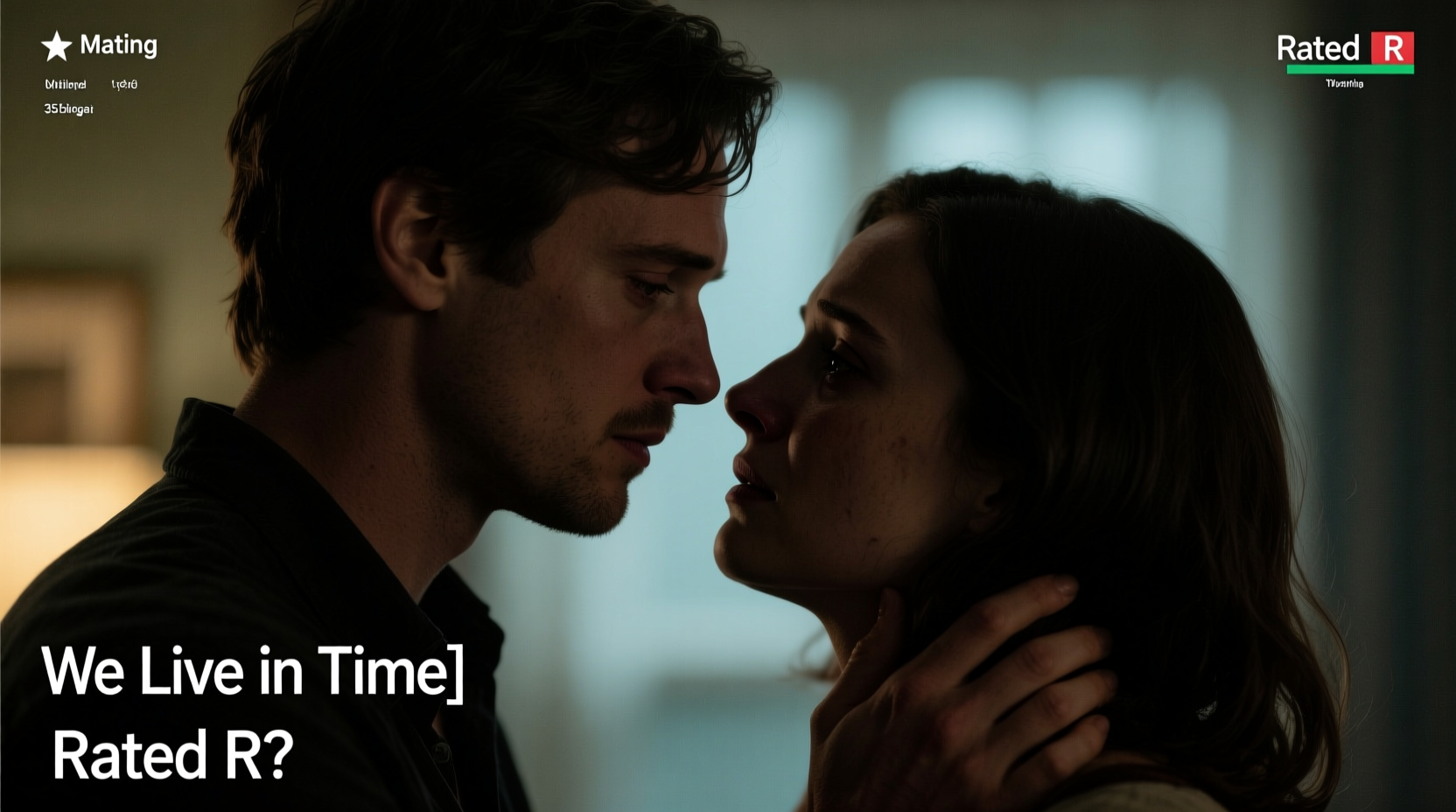
The MPAA assigns ratings to films based on content that may not be suitable for younger viewers. While many assume an R rating implies overt sexuality, strong violence, or pervasive profanity, the designation can also stem from intense emotional material, complex adult themes, or sustained depictions of psychological distress. The official explanation for *We Live in Time*'s R rating is “for language throughout, some sexual material, and brief drug use.” But behind this concise statement lies a deeper narrative context that justifies the restriction for viewers under 17 without parental guidance.
The MPAA considers cumulative impact—not just isolated incidents. A single use of strong language might not trigger an R rating, but when combined with emotionally heavy scenes, implied intimacy, and realistic portrayals of illness and grief, the overall effect pushes the film into mature territory.
Thematic Depth and Emotional Intensity
*We Live in Time* follows the evolving relationship between Tobias (Andrew Garfield) and Almut (Florence Pugh) across different stages of their lives, interwoven with personal loss, terminal illness, and existential reflection. The film does not rely on action or spectacle; instead, it builds emotional resonance through quiet, authentic moments. These include raw conversations about mortality, scenes depicting hospitalization, and the psychological toll of caregiving.
Such content, while devoid of graphic visuals, is considered developmentally intense for younger audiences. According to Dr. Rebecca Tran, a clinical psychologist specializing in media effects on youth:
“Films that explore profound grief, chronic illness, or identity crises can evoke strong emotional responses even without violent imagery. For adolescents still forming coping mechanisms, exposure to such weighty themes—especially without context or discussion—can be overwhelming.”
This aligns with the MPAA’s broader mandate: protecting younger viewers from content they may not yet be equipped to process emotionally, regardless of whether it includes traditional \"adult\" content like nudity or gore.
Language and Realistic Dialogue
The film features naturalistic dialogue, including multiple instances of strong language. Characters use words such as “f**k” and “sh*t” in emotionally charged situations—moments of frustration, fear, and vulnerability. While these terms are common in real-life adult conversations, the MPAA applies strict thresholds. Films with more than a few mild expletives or any aggressive or sexually derived uses of strong language often receive an R rating.
In *We Live in Time*, the language isn’t gratuitous; it serves authenticity. When Almut shouts in anguish after receiving a medical diagnosis, her use of profanity underscores the realism of her emotional state. However, because these instances occur “throughout” the film—as noted in the official rating description—they collectively meet the threshold for an R classification.
Sexual Content and Nudity
The film includes non-explicit sexual material, primarily centered around intimacy between the two leads. There are implied sex scenes and partial nudity, such as brief shots of torsos during private moments. Importantly, these scenes are portrayed with emotional tenderness rather than sensationalism. They reflect the couple’s connection and vulnerability, not titillation.
However, the MPAA treats any depiction of nudity or sexual activity conservatively. Even when handled tastefully, such content contributes to an R rating if it occurs outside a strictly educational or historical context. In comparison, a similar scene in a PG-13 film would likely be obscured, fade to black earlier, or lack any visible skin.
Drug Use and Contextual Depictions
The “brief drug use” mentioned in the MPAA rating refers to a moment where one character uses cannabis to cope with anxiety and pain. It’s shown in a domestic setting, without glorification or extended focus. Still, any depiction of illegal substance use—even if critical or contextual—can influence the final rating, especially when combined with other factors.
Films aiming for a PG-13 rating often minimize or omit such details unless essential. Here, the inclusion reflects the film’s commitment to realism, further reinforcing its suitability for adult audiences who can engage critically with the choices characters make under stress.
Comparison with Similar Films
To better understand the rating, consider how *We Live in Time* compares to other relationship-focused dramas:
| Film | MPAA Rating | Reasons for Rating | Similar Themes? |
|---|---|---|---|
| A Star Is Born (2018) | R | Language, drug use, adult themes | Yes – addiction, fame, love, loss |
| Blue Valentine | R | Strong sexual content, language, mature themes | Yes – relationship deterioration, emotional realism |
| The Fault in Our Stars | PG-13 | Thematic elements, smoking, brief language | Yes – young love, terminal illness (but softer tone) |
| We Live in Time | R | Language throughout, some sexual material, brief drug use | N/A |
As the table shows, *The Fault in Our Stars*, despite covering terminal illness and grief, received a PG-13 due to restrained language and minimal intimacy. In contrast, *We Live in Time* chooses unfiltered realism, which shifts it into R territory.
What the Rating Means for Viewers
An R rating doesn’t mean a film is inappropriate—it means it’s intended for adults and older teens capable of processing complex emotions and ideas. For many viewers, the rating may serve as a signal of artistic seriousness rather than a warning.
Parents and guardians should view the rating as an invitation to engage, not avoid. Watching *We Live in Time* with a mature teenager can open meaningful discussions about love, resilience, health, and how people respond to life’s unpredictability.
Actionable Viewing Guide: Is It Right for You or Your Teen?
- Under 17? Only with parent or guardian present.
- Sensitive to grief or illness narratives? Consider previewing first.
- Looking for light romance? This film is emotionally demanding—set expectations accordingly.
- Want to discuss themes afterward? Ideal for post-viewing conversation.
Frequently Asked Questions
Is there graphic violence or nudity in *We Live in Time*?
No. There is no graphic violence. Nudity is minimal and non-sexualized, limited to brief upper-body shots during intimate scenes. The film prioritizes emotional over visual exposure.
Why isn’t this film rated PG-13 like other romance dramas?
While thematically similar to PG-13 films, *We Live in Time* includes stronger language used repeatedly, more direct depictions of intimacy, and unflinching emotional realism—all of which cumulatively justify the R rating under MPAA guidelines.
Can I trust the MPAA rating, or is it too strict?
The MPAA aims for consistency, but interpretations vary. Some critics argue the system is outdated, particularly regarding language and sexuality. Ultimately, the rating is a guideline; individual family values and viewer sensitivity should inform viewing decisions.
Conclusion: A Mature Story Told Honestly
*We Live in Time* is rated R not because it shocks, but because it feels deeply. Its language, emotional weight, and honest portrayal of adult relationships and hardship place it firmly in the realm of cinema meant for thoughtful, mature audiences. The rating reflects a commitment to authenticity—a refusal to sanitize the messy, painful, and beautiful realities of love and loss.
This isn’t a film that entertains passively. It asks viewers to sit with discomfort, to empathize, and to reflect. That level of engagement is precisely why it earned its R rating—and why it resonates so powerfully with those ready to experience it.




 浙公网安备
33010002000092号
浙公网安备
33010002000092号 浙B2-20120091-4
Comments
No comments yet. Why don't you start the discussion?