
In recent years, a growing number of people report feeling stuck—despite effort, intention, and access to more resources than ever before. Diets fail. Productivity systems collapse. Relationships falter. Even well-designed plans seem to unravel without clear explanation. This widespread sense of futility isn’t random. It reflects deeper systemic, psychological, and societal forces that quietly erode our ability to make progress. Understanding why \"nothing works\" requires looking beyond surface-level fixes and confronting the underlying structures that shape our experiences.
The Illusion of Control in a Complex World
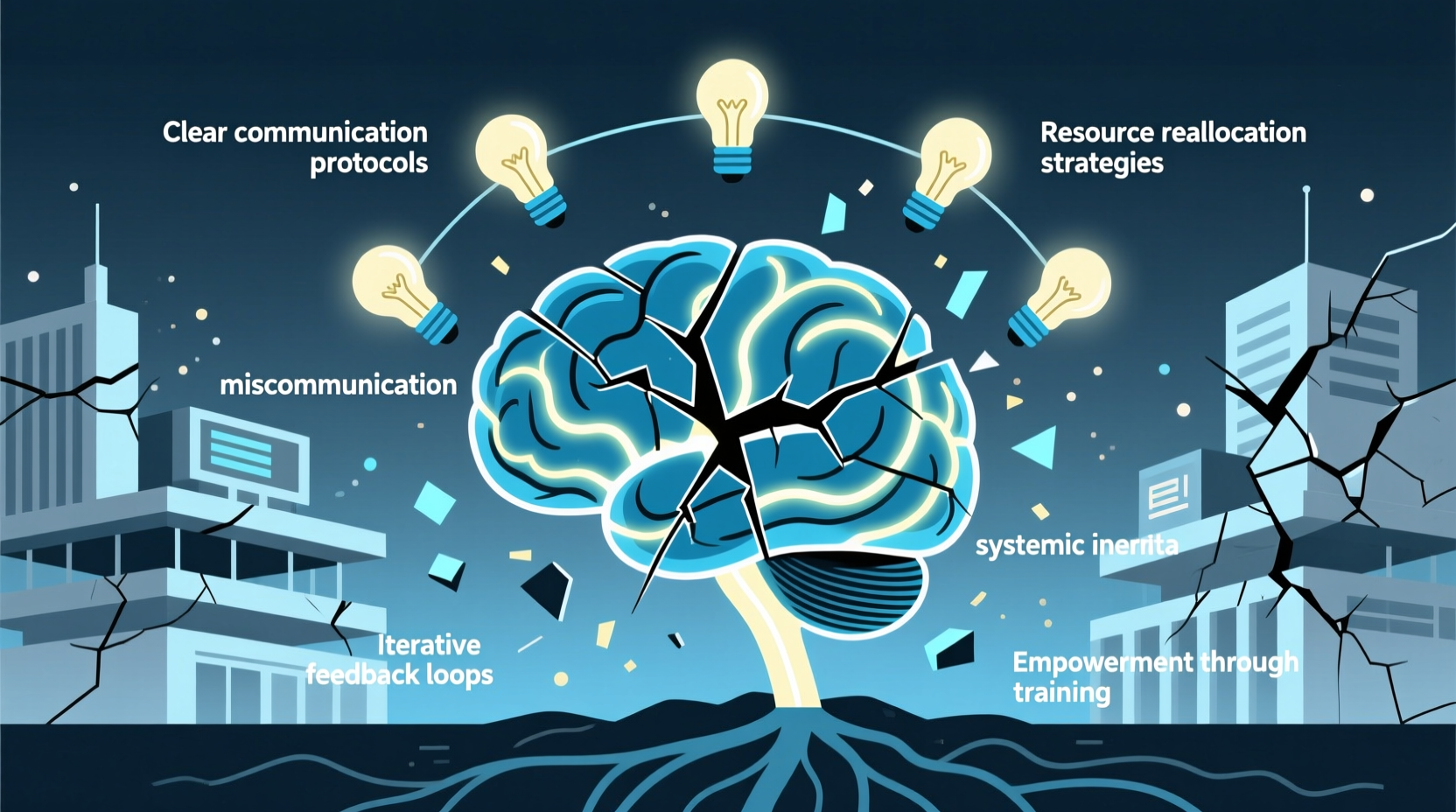
Modern life is built on the promise of control: self-help books, productivity apps, wellness trends—all marketed as tools to help us master our time, health, and happiness. Yet, despite this abundance of solutions, many feel increasingly powerless. One reason lies in the mismatch between simple interventions and complex realities.
Human behavior, organizational dynamics, and social systems are nonlinear. Small changes can have unpredictable outcomes. A diet might work for one person but fail another due to metabolic differences, stress levels, or environmental cues. Similarly, a time management technique effective in a quiet home office may break down in a chaotic workplace.
This complexity creates a feedback loop of disillusionment. When a solution fails, people often blame themselves rather than recognizing the limitations of the approach. Over time, repeated failures breed skepticism—not just toward individual strategies, but toward the idea of change itself.
Root Cause 1: Cognitive Overload and Decision Fatigue
Every day, the average adult makes over 35,000 decisions, ranging from what to wear to how to respond in meetings. While most are minor, their cumulative effect drains mental energy. This state—known as decision fatigue—reduces willpower, impairs judgment, and undermines consistency.
When people attempt lifestyle changes (e.g., eating healthier, exercising), they often rely on conscious willpower. But as cognitive resources deplete throughout the day, even the best intentions collapse by evening. This explains why someone might eat well all day but binge at night—not due to lack of motivation, but depleted executive function.
Systems that require constant vigilance are inherently fragile. The real issue isn’t discipline; it’s design. Solutions must account for human limits, not assume infinite willpower.
Root Cause 2: Misaligned Incentives and Hidden Feedback Loops
Many personal and professional systems reward short-term results while punishing long-term thinking. Social media algorithms favor outrage and immediacy. Corporate performance reviews prioritize quarterly metrics over sustainable growth. Personal goals like weight loss are measured daily, despite biological changes occurring over months.
These misaligned incentives create distorted feedback loops. For example, someone trying to build a creative habit may feel discouraged if posts don’t go viral immediately—even though mastery takes years. The system signals failure, even when progress is being made.
As psychologist Dr. Barry Schwartz observed: “When we overload people with choices and demand constant optimization, we don’t liberate them—we paralyze them.”
“We’ve built a culture that celebrates quick fixes but punishes patience. No wonder people feel nothing works.” — Dr. Lena Torres, Behavioral Scientist
Potential Solutions: Building Resilient Systems
If the problem lies in complexity, overload, and misaligned feedback, then solutions must focus on sustainability, simplicity, and realistic expectations. Below are actionable strategies grounded in behavioral science and systems thinking.
1. Reduce Friction, Not Just Increase Motivation
Motivation is fleeting. Environment is enduring. Instead of relying on willpower, redesign your surroundings to support desired behaviors. Examples include:
- Placing workout clothes next to your bed the night before
- Uninstalling distracting apps during work hours
- Using automatic transfers to save money
2. Implement Feedback That Reflects Real Progress
Traditional metrics often misrepresent progress. Weight fluctuates daily due to water retention, yet people weigh themselves daily and feel defeated. Instead, track leading indicators—behaviors you control—rather than lagging outcomes.
| Goal | Lagging Metric (Problematic) | Leading Indicator (Better) |
|---|---|---|
| Improve fitness | Weight on scale | Workouts completed per week |
| Write a book | Pages published | Daily writing sessions completed |
| Reduce stress | Feeling “calm” | Mindfulness minutes logged |
3. Embrace Non-Linearity
Progress is rarely steady. There will be plateaus, setbacks, and sudden breakthroughs. Accepting this reality reduces frustration and increases persistence. Use journaling to document subtle shifts invisible in short-term metrics.
Mini Case Study: Sarah’s Productivity Breakdown
Sarah, a project manager, spent months trying different productivity apps. She cycled through bullet journals, Notion templates, and Pomodoro timers. Each worked briefly, then failed. Frustrated, she concluded she lacked discipline.
After consulting a coach, she realized her environment was the issue: open-office noise, back-to-back meetings, and unclear priorities made any system unsustainable. Instead of chasing new tools, she negotiated focused blocks in her calendar, used noise-canceling headphones, and limited task planning to three key items per day.
Within weeks, her output improved—not because of a new app, but because she addressed structural barriers. Her experience illustrates a critical point: systems fail when they ignore context.
Step-by-Step Guide to Rebuilding What Works
Follow this six-step process to identify breakdowns and implement durable solutions:
- Map Your Current System: Document how you currently approach a recurring challenge (e.g., meal planning, time management).
- Identify Failure Points: Note where and when things typically break down.
- Analyze Root Causes: Ask “why” repeatedly (the 5 Whys method) to move beyond symptoms.
- Design for Constraints: Build a new approach that works within your real-life limits (time, energy, attention).
- Test with Small Experiments: Run a two-week trial with measurable criteria.
- Review and Iterate: Adjust based on results, not expectations.
Checklist: Signs Your System Is Doomed to Fail
- It requires perfect consistency to work
- It depends on high motivation every day
- It doesn’t account for bad days or unexpected events
- You’ve abandoned similar systems before
- It feels burdensome after the first week
- It measures success in ways you can’t control directly
FAQ
Why do I keep failing at things I genuinely want to do?
Desire alone isn’t enough. Failure often stems from structural issues—poorly designed environments, unrealistic timelines, or systems that don’t align with your natural rhythms. Focus less on motivation and more on removing obstacles.
How do I know if a solution is actually flawed or if I’m just giving up too soon?
Give any system a fair trial—typically 30 to 60 days—but assess objectively. If it consistently causes stress, confusion, or burnout, it may be poorly suited to your life. Sustainable solutions should gradually become easier, not harder.
Can something really work long-term, or is all progress temporary?
Lasting change is possible, but it looks different than most expect. It’s not about perfection, but resilience—the ability to return after setbacks. Systems that allow for flexibility and self-compassion outlast rigid ones.
Conclusion
The feeling that “nothing works” is not a personal failing—it’s a signal. It indicates that current approaches are misaligned with the complexity of real life. Lasting solutions don’t come from more effort, but from smarter design. By reducing friction, aligning incentives, and embracing the messy reality of human behavior, it becomes possible to build systems that endure.




 浙公网安备
33010002000092号
浙公网安备
33010002000092号 浙B2-20120091-4
Comments
No comments yet. Why don't you start the discussion?