
Shark attacks capture public imagination like few other natural phenomena. Sensational headlines, dramatic films, and viral videos often paint sharks as relentless predators hunting humans. In reality, shark bites are rare, and most species pose no threat to people. Understanding why these incidents occur requires separating myth from biology, behavior, and environmental context. The vast majority of shark interactions with humans are cases of mistaken identity or curiosity—not predation. By examining the ecological, sensory, and behavioral factors at play, we can develop a more accurate picture of shark behavior and learn how to coexist safely in shared marine environments.
The Reality of Shark Bites: Rare and Often Misunderstood
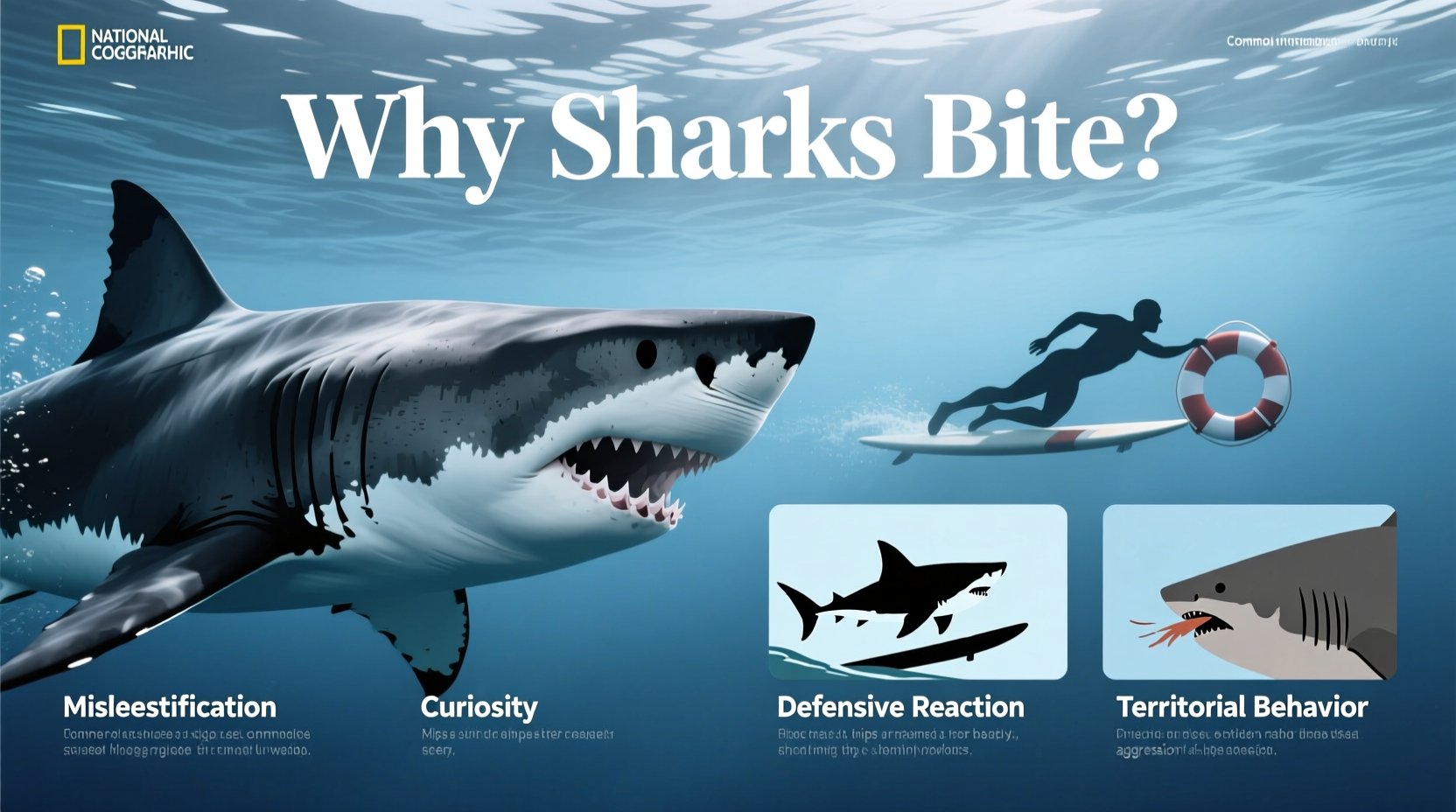
Despite their fearsome reputation, shark attacks on humans are exceptionally uncommon. According to the International Shark Attack File (ISAF), there are typically fewer than 100 unprovoked shark bites reported globally each year, with an average of around five fatalities. To put this in perspective, lightning strikes kill more people annually in the United States alone than sharks do worldwide. Yet, the psychological impact of shark encounters far outweighs the statistical risk.
The term “shark attack” itself is increasingly being reconsidered by scientists. Many experts now use “shark bite” or “shark incident” to reflect that most interactions are not predatory in nature. Sharks do not target humans as prey. When bites occur, they are usually brief and exploratory—part of a shark’s natural way of investigating unfamiliar objects in its environment.
Sensory Biology: How Sharks Perceive the World
To understand why sharks might bite humans, it's essential to consider how they experience their environment. Sharks possess a suite of highly refined sensory systems:
- Electroreception: Through specialized organs called ampullae of Lorenzini, sharks detect minute electrical fields generated by muscle contractions in other animals—even buried under sand.
- Lateral Line System: This network of pressure-sensitive cells along the body allows sharks to sense vibrations and movement in the water, helping them locate prey.
- Acute Smell: A shark can detect one part of blood in a million parts of water, making scent a powerful attractant over long distances.
- Vision: While not all sharks have sharp eyesight, many can distinguish shapes and contrasts, especially near the surface where light penetrates.
These senses evolved to help sharks identify fish, seals, and other marine animals. However, when a human swims, surfs, or splashes near shore, the combination of erratic motion, silhouette against sunlight, and even electromagnetic signals from muscles can mimic the profile of typical prey—especially for species like the great white, which hunts seals.
“Sharks aren’t mindless killers. They’re sophisticated predators using sensory tools honed over millions of years. When a human is bitten, it’s almost always a case of mistaken identity.” — Dr. Rachel Nelson, Marine Biologist, Monterey Bay Aquarium Research Institute
Common Triggers Behind Shark-Human Encounters
Several environmental and behavioral factors increase the likelihood of a shark interaction. These include:
- Location: Most bites occur in shallow coastal waters between 6 and 10 feet deep—zones where sharks hunt and where humans frequently swim.
- Time of Day: Dawn and dusk are peak feeding times for many sharks, coinciding with low visibility that increases misidentification risk.
- Water Conditions: Murky water, such as after storms or near river mouths, reduces visibility and heightens reliance on non-visual senses, increasing accidental bites.
- Human Activity: Splashing, surfing, and snorkeling can resemble injured fish or struggling prey. Surfers, who spend time motionless on boards before sudden movements, are disproportionately involved in incidents.
- Baitfish Presence: Schools of small fish attract sharks—and sometimes draw swimmers into high-risk zones unknowingly.
Mini Case Study: The New Smyrna Beach Pattern
New Smyrna Beach, Florida, is known as the \"shark bite capital of the world.\" Despite hundreds of thousands of visitors annually, serious injuries remain rare. However, the area sees more documented bites than any other location. Why?
The answer lies in a confluence of factors: a narrow inlet rich in baitfish, frequent surf conditions ideal for blacktip and spinner sharks, and large numbers of surfers in early morning hours. Researchers note that most bites are minor nips—consistent with investigative behavior—and cease once the shark realizes the object is not edible. No fatalities have been recorded in decades, underscoring the non-predatory nature of these events.
Do’s and Don’ts in Shark-Prone Waters
| Do’s | Don’ts |
|---|---|
| Swim in groups—sharks are less likely to approach groups of people. | Swim alone, especially far from shore or during low-light hours. |
| Stay close to lifeguarded beaches where monitoring occurs. | Enter the water with open wounds or bleeding—blood can attract sharks. |
| Exit calmly if sharks are sighted or if water becomes murky. | Panic or make erratic splashing motions if a shark is nearby. |
| Follow local advisories and heed warning flags. | Wear shiny jewelry that reflects light and mimics fish scales. |
Preventive Measures: A Safety Checklist
While no strategy eliminates risk entirely, following these steps significantly reduces the chances of a shark encounter escalating:
- ✅ Avoid swimming at dawn, dusk, or night when sharks are most active.
- ✅ Steer clear of areas near fishing piers, harbors, or where people are fishing—bait and offal attract sharks.
- ✅ Do not enter the water if you are bleeding, including from menstruation or cuts.
- ✅ Choose brightly colored or patterned swimwear instead of high-contrast black-and-white (like wetsuits), which may resemble seals.
- ✅ Stay vigilant and leave the water if sharks are reported or if fish suddenly scatter.
Frequently Asked Questions
Are certain shark species more dangerous than others?
Yes. The three species responsible for the majority of unprovoked bites on humans are the great white, tiger, and bull shark. These are large, powerful animals capable of inflicting serious injury. However, even these species rarely target humans intentionally. Most other shark species are too small or reclusive to pose any threat.
Can sharks smell a single drop of blood from miles away?
This is an exaggeration. While sharks have an excellent sense of smell—able to detect certain substances at concentrations as low as one part per billion—the effective range depends on currents, temperature, and dispersion. They won’t track a tiny cut across an ocean, but localized bleeding in still water could attract nearby sharks.
What should I do if I see a shark while swimming?
Remain calm. Maintain eye contact if possible, slowly back toward shore or your boat, and avoid sudden movements. Do not turn your back or splash aggressively. Most sharks will observe and retreat without interaction.
Conclusion: Respecting the Ocean and Its Apex Predators
Sharks are not villains—they are vital apex predators maintaining balance in marine ecosystems. As human activity expands into coastal habitats, occasional interactions are inevitable. But fear should not drive policy or perception. Education, awareness, and respect for natural behaviors are the keys to coexistence.
By understanding the reasons behind shark bites—mistaken identity, sensory confusion, and environmental overlap—we can make informed choices that protect both people and sharks. Conservation efforts are critical; some shark populations have declined by over 70% due to overfishing and habitat loss.




 浙公网安备
33010002000092号
浙公网安备
33010002000092号 浙B2-20120091-4
Comments
No comments yet. Why don't you start the discussion?