
The Gateway Arch in St. Louis, Missouri, is more than a striking architectural marvel—it’s a powerful symbol of America’s 19th-century westward expansion. Soaring 630 feet into the sky, it stands as the tallest man-made monument in the United States. But beyond its visual grandeur, the Arch carries deep historical meaning and was conceived with a specific mission: to honor the pioneers who shaped the nation’s frontier and to reinvigorate a key American city. Understanding why the Gateway Arch was built reveals much about national identity, urban renewal, and the enduring legacy of exploration.
The Origins of the Gateway Arch Project
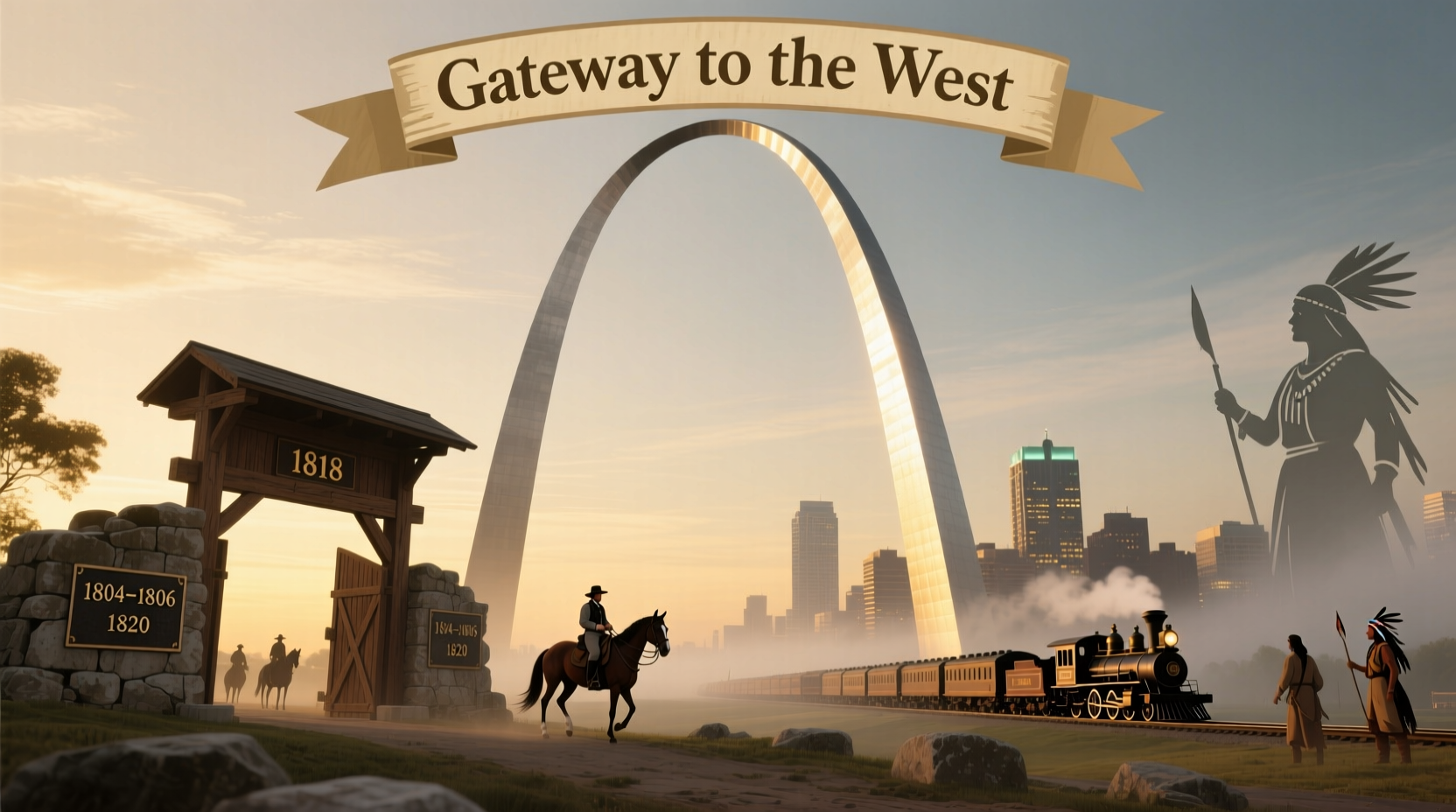
The idea for the Gateway Arch emerged during the Great Depression as part of a broader effort to revitalize downtown St. Louis. In the early 1930s, civic leader Luther Ely Smith returned from a trip to Washington, D.C., where he admired the Lincoln Memorial and envisioned a similar monument that would commemorate St. Louis’s role in American westward expansion. He believed the city had been overlooked despite being the launching point for countless expeditions into uncharted western territories.
Smith proposed transforming the decaying riverfront—then cluttered with warehouses and rail lines—into a memorial honoring Thomas Jefferson’s vision of expanding the young republic across the continent. The federal government approved the project in 1935, establishing the Jefferson National Expansion Memorial Association. However, construction did not begin for decades due to funding issues and World War II.
A Vision Delayed but Not Forgotten
It wasn’t until the late 1940s that an architectural competition was held to design the central feature of the memorial. Over 170 architects submitted proposals. The winning entry came from Finnish-American architect Eero Saarinen, whose bold, minimalist catenary curve stood out for its modernity and symbolic strength. His design—a stainless steel arch rising symmetrically from the ground—was both futuristic and timeless, representing a “gateway” to the West.
“The arch is not just a shape; it's a symbol of movement, of going forward.” — Eero Saarinen, Architect
Purpose Behind the Construction
The primary purpose of building the Gateway Arch was twofold: to commemorate westward expansion and to catalyze urban renewal in St. Louis.
- Commemoration: The Arch honors the pioneers, explorers, and settlers who journeyed west following the Louisiana Purchase in 1803. This includes figures like Lewis and Clark, whose expedition launched from St. Louis in 1804.
- Urban Revitalization: By clearing blighted industrial zones along the Mississippi River, the project aimed to restore civic pride and economic vitality to downtown St. Louis.
- Educational Mission: The site includes an underground museum (the Museum of Westward Expansion) that contextualizes the complex history behind American expansion, including indigenous displacement and slavery.
Historical Significance of the Monument
The Gateway Arch is historically significant not only because of what it represents but also because of when and how it was built. Completed in 1965, it emerged during a transformative era in American history—marked by civil rights struggles, Cold War tensions, and rapid technological advancement. Its sleek, space-age design mirrored the optimism of mid-century modernism while anchoring a narrative about national progress.
Critically, the Arch reframes St. Louis as the \"Gateway to the West,\" reinforcing its pivotal role in U.S. territorial growth. Before transcontinental railroads, the city served as the last major outpost before heading into the vast unknown of the American frontier. Thousands of emigrants passed through St. Louis on their way to Oregon, California, and Utah via trails like the Santa Fe and Oregon Trails.
Yet the Arch also prompts reflection on the consequences of expansion. While celebrating courage and ambition, it now also acknowledges the cost paid by Native American tribes who were displaced or destroyed in the process. Modern interpretations at the visitor center emphasize inclusivity, incorporating voices long excluded from the pioneer narrative.
Engineering and Symbolic Innovation
The Arch is an engineering triumph. Built using carbon steel coated in stainless steel, it withstands wind sway and temperature fluctuations. Each leg is 54 feet wide at the base, narrowing to 17 feet at the top. The tram system inside—one of the most unique aspects of the structure—carries visitors to an observation deck with panoramic views of the Mississippi River and surrounding states.
| Feature | Detail |
|---|---|
| Height | 630 feet (tallest U.S. monument) |
| Construction Period | 1963–1965 |
| Material | Stainless steel over carbon steel frame |
| Weight | Approximately 17,246 tons |
| Observation Deck Capacity | Up to 160 people |
| Tram Ride Duration | About 4 minutes each way |
Timeline of Key Events
- 1933: Luther Ely Smith conceives the idea for a riverfront memorial.
- 1935: Federal government approves creation of Jefferson National Expansion Memorial.
- 1947–1948: National design competition held; Eero Saarinen wins.
- 1959: Final approval and funding secured after years of debate.
- 1963: Construction begins on the Arch.
- 1965: Arch completed; dedication ceremony held.
- 1967: Tram system opens to the public.
- 2018: Expanded museum and park grounds reopen after $380 million renovation.
Modern Interpretations and Cultural Impact
In recent years, the National Park Service has worked to update the narrative surrounding the Gateway Arch. The 2018 renovation of the Museum of Westward Expansion shifted focus toward a more balanced portrayal of history—one that recognizes the contributions and suffering of African Americans, women, and Indigenous peoples.
This evolution reflects a broader trend in American public memory: moving from celebratory nationalism to critical engagement with the past. As historian Dr. Margaret Wood noted,
“We can honor the determination of those who moved west without ignoring the human cost. The Arch now invites dialogue, not just admiration.”
Mini Case Study: Educational Outreach at the Arch
In 2021, a school group from Kansas City visited the Gateway Arch as part of a social studies unit on Manifest Destiny. Teachers reported that students were particularly affected by the exhibit on the Trail of Tears, which detailed the forced removal of Cherokee and other nations. One eighth-grader remarked, “I thought the Arch was just about adventure, but now I see it’s also about loss.” This shift in perception underscores the Arch’s evolving educational role—not merely as a tribute to progress, but as a site of reflection and reconciliation.
Frequently Asked Questions
Why is the Gateway Arch in St. Louis?
St. Louis was chosen because it served as the primary departure point for many westward expeditions after the Louisiana Purchase. It was literally the last city on the edge of the known frontier in the early 1800s, making it a symbolic “gateway” to the West.
Was the Gateway Arch always popular?
No. Initially, the modern design faced criticism for being too abstract and out of place in a historic district. Some locals mocked it as “a hole in the ground” during construction delays. However, public opinion shifted after completion, and today it is one of Missouri’s most iconic landmarks.
Can you go inside the Gateway Arch?
Yes. Visitors ride a unique tram system to an observation deck at the top. The small, egg-shaped capsules carry five rows of five passengers and ascend through the hollow legs of the Arch. Reservations are recommended, especially during peak seasons.
Actionable Checklist: Visiting the Gateway Arch
- ✅ Book timed-entry tickets online in advance
- ✅ Allocate time for the Museum of Westward Expansion
- ✅ Bring a camera—the view from the top spans up to 30 miles on clear days
- ✅ Wear comfortable shoes; walking paths and stairs are involved
- ✅ Consider visiting early morning or late afternoon to avoid crowds
- ✅ Check accessibility options if traveling with mobility needs
Conclusion: A Monument Reimagined
The Gateway Arch was built to celebrate a defining chapter in American history—but its meaning continues to evolve. From its origins as a Depression-era urban renewal project to its current status as a National Park and UNESCO World Heritage Site nominee, the Arch remains a dynamic symbol. It challenges us to remember not only where we’ve been but how we choose to tell our stories.




 浙公网安备
33010002000092号
浙公网安备
33010002000092号 浙B2-20120091-4
Comments
No comments yet. Why don't you start the discussion?