
College admissions are more competitive than ever. With thousands of applicants boasting near-perfect GPAs and test scores, academic excellence alone no longer guarantees acceptance. This is where the “Why Us” essay becomes a decisive factor. It’s not just another prompt—it’s your opportunity to demonstrate intentionality, research, and genuine alignment with a specific institution. A well-crafted “Why Us” essay doesn’t just answer a question; it tells a story about fit, purpose, and future contribution.
Understanding the Purpose of the “Why Us” Essay
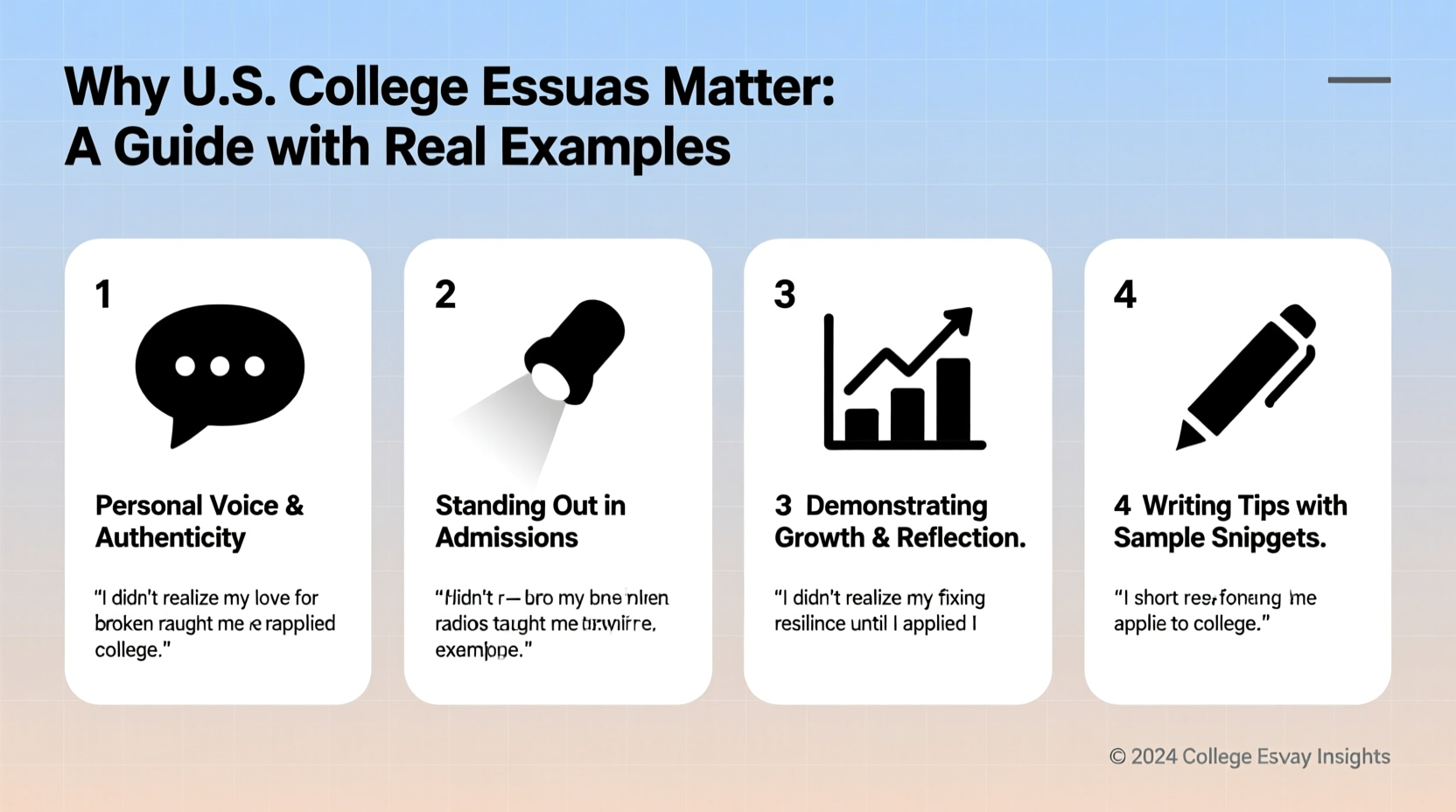
The “Why Us” essay—sometimes titled “Why This College?” or “Why You Want to Attend [University Name]”—asks applicants to explain their interest in a particular school. Admissions officers aren’t looking for flattery or generic praise. They want to see that you’ve done your homework and can articulate how the school’s unique offerings align with your academic goals, personal values, and career aspirations.
This essay serves multiple functions:
- Demonstrates fit: Shows that you’re not applying randomly but have a clear reason for choosing this school.
- Reveals initiative: Proves you’ve researched beyond rankings and brochures.
- Highlights self-awareness: Reflects your understanding of your own goals and how the institution supports them.
- Signals commitment: Suggests you’re likely to enroll if accepted, improving the school’s yield rate.
“Students who write compelling ‘Why Us’ essays often mention specific professors, programs, or campus traditions that resonate with their journey. That specificity shows depth.” — Dr. Rebecca Lin, Former Admissions Officer at Brown University
Common Mistakes That Weaken “Why Us” Essays
Even strong students fall into predictable traps when writing these essays. Avoiding these pitfalls is as important as including the right elements.
| Mistake | Why It Hurts | Better Approach |
|---|---|---|
| Praising prestige or rankings | Shows superficial interest; could apply to any top-tier school | Focus on program structure, faculty research, or pedagogy |
| Using interchangeable details | Suggests the essay was copied across applications | Reference unique courses, labs, clubs, or campus culture |
| Vague statements like “great community” | Lacks evidence or personal connection | Describe a specific interaction or event that shaped your perception |
| Overloading with lists | Feels robotic; misses emotional resonance | Select 2–3 meaningful features and connect them to your goals |
How to Research Effectively for Your Essay
Authenticity begins with research. The most convincing essays reflect firsthand knowledge. Here’s how to gather meaningful insights:
- Explore the department websites: Look for course syllabi, faculty publications, or lab projects related to your major.
- Attend virtual tours or info sessions: Note down specifics—a professor’s teaching philosophy, a unique seminar, or student-led initiatives.
- Read student newspapers or blogs: These reveal campus culture, activism, or extracurricular life not found in brochures.
- Connect with current students: Ask thoughtful questions about academic rigor, mentorship, or support systems.
- Visit if possible: Walk through libraries, dorms, or maker spaces. Sensory details add authenticity.
For example, instead of saying, “I admire Yale’s strong biology program,” try: “Dr. Sarah Zhang’s work on CRISPR delivery mechanisms in mammalian cells aligns with my high school research on gene expression, and I hope to contribute to her lab through the Freshman-Sophomore Scholars Program.”
A Real Example: From Generic to Powerful
Consider two versions of a response to Stanford’s “Why Us” prompt:
Weak Example:
“Stanford is one of the best schools in the country. It has amazing resources, brilliant professors, and a beautiful campus. I want to go there because it will help me succeed in computer science and open doors for my future.”
Strong Example:
“When I attended Stanford’s AI & Ethics virtual panel last fall, Professor Fei-Fei Li’s emphasis on human-centered machine learning resonated deeply. My project on algorithmic bias in hiring tools mirrors her Human-Centered AI Initiative’s mission. I plan to pursue the joint CS and Philosophy major, take Phil 105: Moral Psychology, and contribute to the Stanford Technology Review. The d.school’s collaborative model offers the interdisciplinary space I need to prototype ethical AI solutions for nonprofit organizations.”
The second version wins because it combines intellectual engagement, program-specific detail, and forward-looking intent.
Step-by-Step Guide to Writing Your “Why Us” Essay
- Identify your academic and personal goals. Be precise: What do you want to study? Why? What kind of environment helps you thrive?
- List 3–5 distinctive features of the school. Focus on programs, research centers, teaching methods, or cultural values.
- Match each feature to your goals. For every point, ask: How does this directly benefit me? How can I contribute?
- Draft with narrative flow. Begin with a personal moment (e.g., attending an event, reading a paper), then weave in institutional details.
- Edit for specificity and voice. Remove clichés. Replace generalities with concrete references. Ensure your personality comes through.
“The best ‘Why Us’ essays feel inevitable—the student and the school belong together. It’s not about perfection; it’s about coherence.” — Michael Torres, College Counselor at Ivy Prep Academy
Checklist: Before You Submit
- ✅ Mention at least one specific course, professor, or research opportunity.
- ✅ Explain how the school’s approach matches your learning style or values.
- ✅ Include a forward-looking statement about your potential contributions.
- ✅ Avoid vague adjectives like “prestigious,” “amazing,” or “world-class.”
- ✅ Proofread for tone—should sound enthusiastic but professional, not fawning.
- ✅ Confirm all facts (course numbers, program names) are accurate.
Frequently Asked Questions
Can I reuse parts of my “Why Us” essay for multiple schools?
You can repurpose research notes or structural ideas, but each essay must be fully customized. Reusing paragraphs risks sounding generic or misaligned. Tailoring shows respect for the institution and strengthens your case.
What if I haven’t visited the campus?
Many students haven’t visited, and that’s okay. Use virtual resources: department pages, YouTube campus tours, recorded lectures, or student-run podcasts. Mentioning a virtual event you attended can actually strengthen your essay by showing proactive engagement.
How long should a “Why Us” essay be?
Most supplements range from 100 to 250 words. Stay concise. Every sentence should serve a purpose—either revealing something about you or demonstrating knowledge of the school. Brevity with depth impresses more than filler.
Conclusion: Turn Interest Into Impact
The “Why Us” essay is more than a formality—it’s a strategic tool to differentiate yourself in a sea of qualified candidates. When written with insight and authenticity, it transforms your application from a collection of metrics into a compelling narrative of mutual fit. Admissions committees aren’t just selecting students; they’re building a community. Your job is to show how you’ll enrich it.




 浙公网安备
33010002000092号
浙公网安备
33010002000092号 浙B2-20120091-4
Comments
No comments yet. Why don't you start the discussion?