
Fans of crossover fighting games have waited over a decade for a true sequel to Marvel vs. Capcom 3: Fate of Two Worlds, released in 2011. Despite enduring popularity, frequent community requests, and the continued success of both franchises, a fifth mainline entry—commonly referred to as Marvel vs. Capcom 5—has yet to materialize. The silence from Capcom has fueled speculation, frustration, and hope in equal measure. So, what’s really holding it back? Is a new installment even possible in today’s gaming landscape?
The Legacy of Marvel vs. Capcom
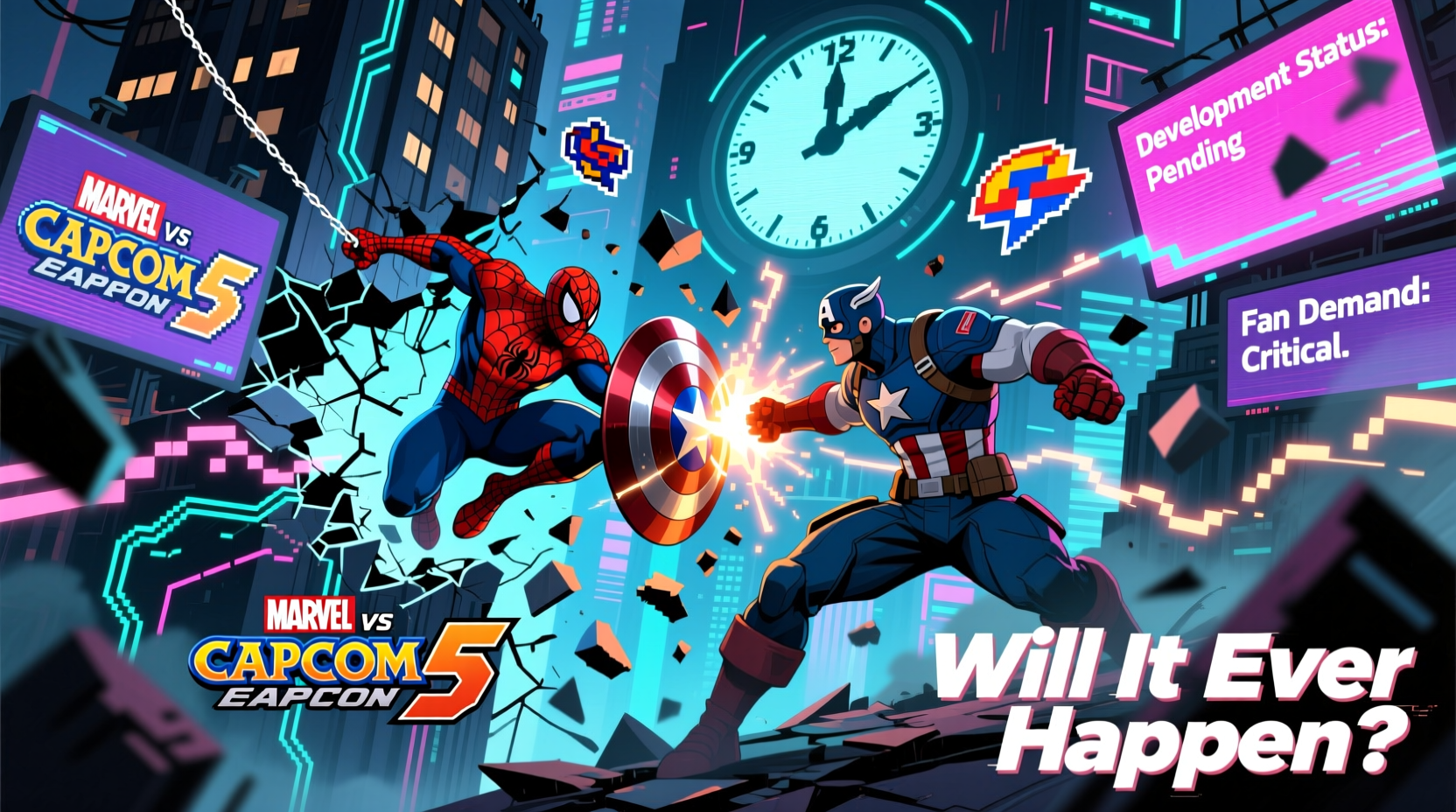
The Marvel vs. Capcom series emerged from the arcade golden age, blending Capcom’s iconic video game characters with Marvel’s legendary superheroes and villains. Starting with X-Men vs. Street Fighter in 1996, the franchise evolved into full-fledged crossover titles like MvC2 (2000) and MvC3 (2011). These games were praised for their fast-paced combat, flashy team-based mechanics, and deep rosters.
MvC3 was particularly successful, selling over 2 million copies worldwide. An updated version, Ultimate Marvel vs. Capcom 3, launched later the same year and added new characters and balance changes. But since then, no new mainline title has followed—only re-releases and minor updates.
“ MvC3 wasn’t just a hit—it became a cultural touchstone for fighting game fans. It showed that crossover titles could be both accessible and competitive.” — Alex Chen, Senior Editor at GameFrame Magazine
Why Hasn’t Marvel vs. Capcom 5 Been Announced?
Several interrelated factors explain the prolonged delay:
- Licensing Complexity: While Capcom owns its characters, Marvel is now fully integrated under Disney. Licensing negotiations are more centralized, strict, and costly than in previous decades.
- Strategic Priorities: Capcom has focused on reviving core franchises like Resident Evil, Street Fighter, and Mega Man. Their recent success with Street Fighter 6 suggests they’re investing heavily in established IPs with proven esports viability.
- Marvel Snap and Other Games: Disney has been pushing Marvel content across multiple studios and formats—from mobile ( Marvel Snap) to narrative adventures ( Marvel’s Spider-Man). This diversification may reduce their interest in a niche, hardcore-focused fighting game.
- Market Shifts: Fighting games, while loyal, represent a smaller segment of the market compared to action-adventure or live-service titles. The financial risk of launching a high-budget crossover without guaranteed returns is significant.
Possible Scenarios for a Future Release
Despite the hurdles, there are realistic pathways for MvC5 to happen. Here are three plausible scenarios:
- Capcom-Led Initiative with Limited Roster: A leaner, digital-only release featuring 20–25 characters could reduce development costs and licensing demands. Think Street Fighter X Tekken but with tighter integration.
- Free-to-Play Model with Live Updates: A shift to a live-service format could appeal to Disney’s desire for ongoing monetization. Characters could be unlocked via progression or microtransactions, similar to Genshin Impact or Fortnite.
- Anniversary or Event-Based Launch: 2025 marks the 30th anniversary of the first X-Men vs. Street Fighter. Capcom might use this milestone to launch a remaster—or even a surprise sequel.
What Would a Modern MvC5 Need to Succeed?
A new entry can’t just rely on nostalgia. To thrive in 2025 and beyond, it would need modern design elements and accessibility features. Below is a comparison of legacy expectations versus current best practices.
| Aspect | Legacy Approach (MvC3) | Modern Best Practice |
|---|---|---|
| Input System | Complex command inputs | Auto-combos, simplified specials |
| Roster Size | 50+ characters | 25 base + post-launch DLC |
| Online Infrastructure | Basic netcode (laggy) | Rollback netcode (like SF6) |
| Monetization | One-time purchase | Base game + cosmetic/character DLC |
| Accessibility | High skill ceiling | Tutorials, training mode, difficulty sliders |
Without rollback netcode and robust online matchmaking, any new MvC title would struggle to gain traction in the competitive scene. Capcom learned this lesson well with Street Fighter 6, which set a new standard for fairness and responsiveness in online play.
Mini Case Study: The Marvel vs. Capcom Community in 2024
In early 2024, a grassroots campaign called “#MvC5Now” gained momentum on social media. Organized by longtime fighting game players from regions including North America, Japan, and Brazil, the movement included fan-made trailers, petitions with over 75,000 signatures, and coordinated tweets directed at Capcom and Kevin Feige.
While the campaign didn’t result in an official announcement, it did prompt a response from a Capcom producer during a livestream Q&A: “We hear you. The team still loves the franchise.” Though non-committal, such acknowledgments signal that fan passion hasn’t gone unnoticed.
Checklist: How Fans Can Help Make MvC5 a Reality
- ✅ Support existing Marvel and Capcom games (e.g., Street Fighter 6, Marvel’s Wolverine)
- ✅ Engage respectfully with developers on social media using consistent hashtags (#MvC5)
- ✅ Participate in official surveys or feedback programs from Capcom
- ✅ Attend events like Evo or Tokyo Game Show where Capcom often makes announcements
- ✅ Create and share fan content (art, gameplay edits, concept trailers) to maintain visibility
Expert Insight: Industry Outlook on Crossover Viability
“The biggest barrier isn’t technology or talent—it’s alignment between two corporate giants. Capcom needs confidence that Disney sees value in a hardcore fighting game. Right now, Disney prioritizes broad appeal. But if Street Fighter 6 continues to grow, it could tip the scales.” — Lena Park, Gaming Industry Analyst at Naviq Research
Another challenge lies in character relevance. Today’s younger audiences know Tom Holland’s Spider-Man or the MCU’s Doctor Strange far better than their 90s cartoon counterparts. Any new MvC must balance classic fan favorites with modern cinematic icons.
FAQ
Is there any official confirmation about Marvel vs. Capcom 5?
No. As of mid-2024, neither Capcom nor Disney has announced a new Marvel vs. Capcom game. All information remains speculative, based on rumors, job listings, and indirect statements.
Could indie developers make a spiritual successor?
Possibly, but legal risks are high. While fan projects like Project X Zone or DBFZ exist, using trademarked characters commercially would invite lawsuits. A fully original cast (like Indivisible or Brawlout) is safer but lacks the crossover appeal.
Would a new MvC game sell well enough to justify development?
Based on MvC3’s 2+ million sales and the growth of digital distribution, yes—if marketed correctly. A $60 premium title with strong pre-orders and post-launch support could realistically reach 3–4 million units, especially with next-gen console installments.
Conclusion: The Wait Continues—but Hope Remains
The absence of Marvel vs. Capcom 5 isn’t due to lack of demand or creative potential. It stems from complex corporate dynamics, shifting market priorities, and the high bar set by past entries. Yet, the foundation for a comeback is stronger than ever: Capcom’s technical prowess, Disney’s vast character library, and a global fanbase hungry for nostalgia and innovation.
If history teaches anything, it’s that beloved franchises rarely die—they wait for the right moment. With the fighting game renaissance led by Street Fighter 6 and increasing cross-company collaborations in gaming, the stars may finally be aligning.




 浙公网安备
33010002000092号
浙公网安备
33010002000092号 浙B2-20120091-4
Comments
No comments yet. Why don't you start the discussion?