
As temperatures drop and snow begins to fall, the question of what footwear to wear becomes more than a fashion decision—it's about staying warm, dry, and safe. Many people love the sleek look of winter booties but wonder if they’re truly suitable for cold climates. Others rely on full winter boots for protection but miss the versatility of shorter styles. The real answer depends on your environment, lifestyle, and how much exposure you have to the elements.
This guide breaks down the differences between winter booties and full winter boots, evaluates their insulation and coverage, and helps you decide which option is best for your needs—without sacrificing comfort or confidence in your choices.
Understanding the Key Differences
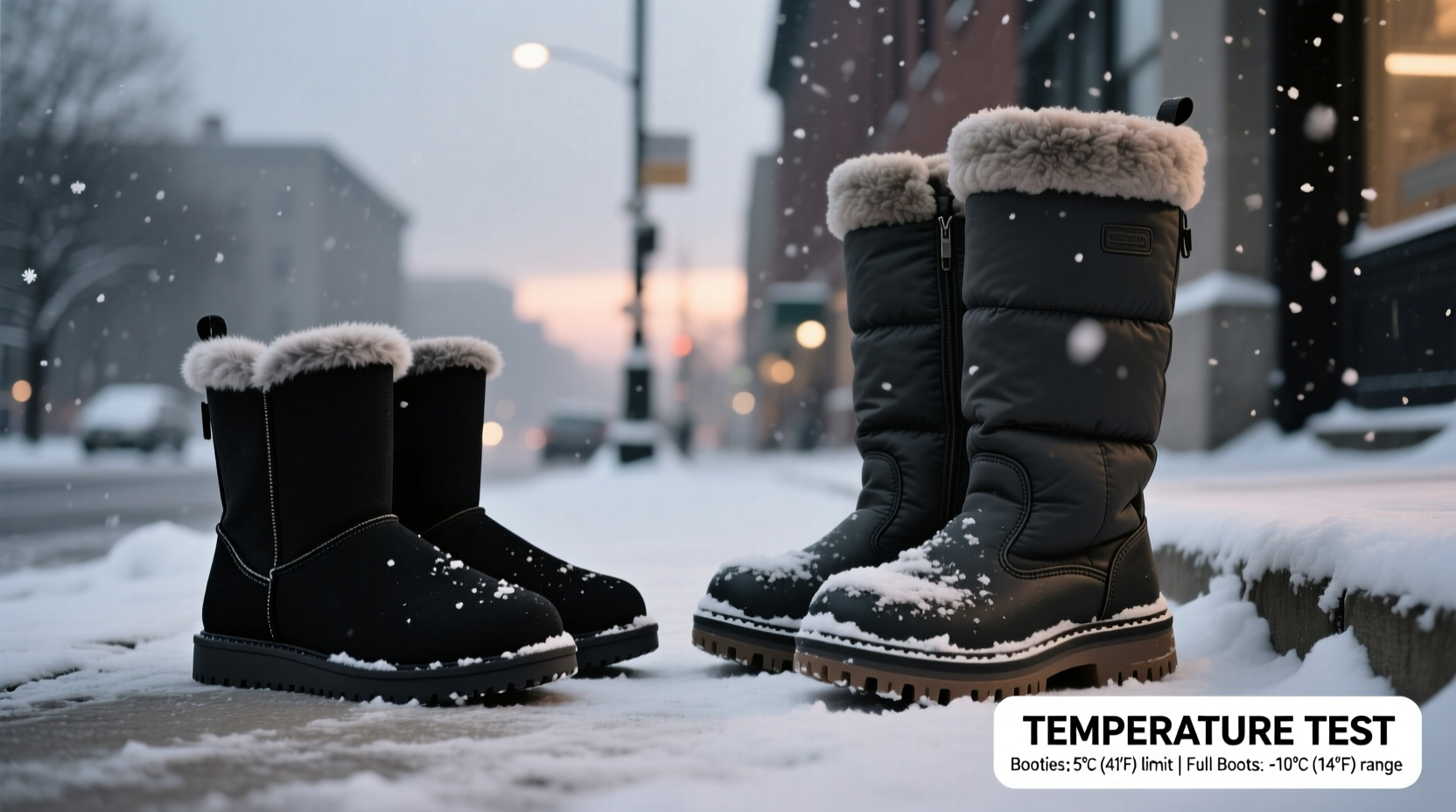
The primary distinction between winter booties and winter boots lies in shaft height and structural design. Booties typically rise just above the ankle, offering minimal leg coverage. Full winter boots extend higher—usually mid-calf or above—and are built with layered insulation, waterproof materials, and rugged outsoles designed for traction on ice and snow.
While booties often prioritize aesthetics and ease of wear, full boots emphasize function. That doesn’t mean booties can’t be functional, nor that boots can’t be stylish—but their core purposes diverge significantly when facing harsh conditions.
When Booties Work Well
Booties can perform admirably in mild winter conditions or urban environments where exposure to snow and wind is limited. If you live in a city with heated buildings, short commutes, and well-maintained sidewalks, a well-insulated bootie with a lined interior and water-resistant upper may be sufficient.
Many modern booties now feature faux shearling lining, thermal insoles, and rubber soles with tread patterns. These upgrades make them more viable during brief outdoor exposure. However, their Achilles’ heel remains: lack of coverage. Cold air easily seeps in around the ankle, and snow can quickly enter with even light accumulation.
How Warm Are Winter Booties Really?
Warmth in footwear comes from three key factors: insulation, coverage, and fit. Most booties offer only moderate insulation—often 200g or less of synthetic fill—compared to full winter boots, which commonly feature 400g to 800g of thermal lining. This difference directly impacts how long your feet stay warm in freezing temperatures.
In a controlled test conducted by an independent outdoor gear lab, insulated booties maintained comfortable foot temperatures for approximately 30–45 minutes in 20°F (-6°C) conditions before toes began to feel cold. In contrast, full winter boots with comparable insulation lasted over two hours under the same conditions.
“Ankle exposure is the biggest thermal weak point in footwear. Even the best-insulated bootie can’t compensate for that gap.” — Dr. Lena Torres, Biomechanics Researcher at Northern Climate Institute
Additionally, booties tend to have thinner soles, allowing cold from the ground to penetrate faster—a phenomenon known as conductive heat loss. Without proper elevation from icy surfaces, this can lead to discomfort within minutes.
Advantages of Full Winter Boots
Full winter boots are engineered for endurance in extreme weather. Their taller shafts create a seal around the lower leg, blocking wind and preventing snow ingress. Combined with waterproof membranes like Gore-Tex or seam-sealed construction, they keep feet dry during prolonged outdoor activity.
Beyond protection, full boots offer superior support. Their extended structure stabilizes the ankle on slippery or uneven terrain, reducing the risk of slips and sprains. This makes them ideal for walking through snow-covered streets, shoveling driveways, or commuting in regions with frequent ice.
- Higher insulation levels (typically 400g–800g)
- Waterproof and windproof construction
- Better traction with deep lug soles
- Ankle support and stability
- Compatibility with heavy socks and orthotics
Real-Life Example: Commuting in Chicago
Sophia, a marketing professional in downtown Chicago, used to wear fashionable booties all winter. She worked in a high-rise building and walked only two blocks from the train station each day. But after a particularly snowy January, she found herself wading through unplowed sidewalks and standing at bus stops for extended periods. Her feet would go numb by mid-morning.
She switched to a pair of mid-calf winter boots with 600g insulation and noticed an immediate difference. Even during a polar vortex event with wind chills below 0°F (-18°C), her feet stayed warm throughout her commute. “I didn’t realize how much heat I was losing through my ankles,” she said. “Now I only wear booties indoors or in spring/fall.”
Comparison Table: Booties vs Full Winter Boots
| Feature | Winter Booties | Full Winter Boots |
|---|---|---|
| Shaft Height | Ankle to 3 inches above ankle | 6–12 inches (mid-calf or higher) |
| Insulation Level | 100g–300g (light to moderate) | 400g–800g (moderate to heavy) |
| Water Resistance | Often water-resistant (not fully waterproof) | Frequently waterproof with sealed seams |
| Wind Protection | Limited; cold enters at ankle | High; shaft blocks airflow |
| Traction | Moderate (slip-resistant soles) | High (deep lugs, ice-gripping rubber) |
| Best For | Urban settings, short walks, mild winters | Snowy areas, long exposure, icy conditions |
When You Might Still Choose Booties
Despite their limitations, booties have a place in a balanced winter wardrobe. They excel in situations where practicality meets personal style and environmental control. Consider wearing booties when:
- You're mostly indoors or moving between heated spaces
- Temperatures stay above 30°F (-1°C)
- You value slim silhouettes with skirts, dresses, or slim jeans
- You need easy-to-slip-on footwear for quick errands
If you opt for booties, choose models with specific cold-weather features: removable fleece linings, rubber outsoles, and closed toes. Avoid suede or fabric uppers unless they’ve been treated for water resistance.
Step-by-Step: Choosing the Right Footwear for Your Winter
- Evaluate your daily routine: How much time do you spend outdoors? Do you walk long distances or stand in cold areas?
- Assess your local climate: Frequent snowfall, sub-freezing temps, and icy sidewalks demand full boots.
- Check your existing footwear: Test booties in real winter conditions. If your feet get cold within 20 minutes, upgrade.
- Invest in layering: Pair boots with merino wool socks and consider gaiters for extra defense against snow.
- Rotate based on use: Keep booties for milder days and reserve full boots for extreme weather.
FAQ
Can I wear booties in the snow?
You can, but only briefly and in light snow. Once snow accumulates past an inch, booties will likely get wet and allow cold air to reach your skin. Waterproof full boots are far safer and more comfortable.
Are knee-high booties warm enough for winter?
Knee-high booties offer more coverage than ankle styles, but unless they’re specifically designed as winter boots—with insulation, waterproofing, and thermal lining—they still lack the protective qualities needed for sustained cold exposure.
Do I need both booties and winter boots?
Yes, many people benefit from owning both. Use booties for style and convenience in mild or indoor-heavy days, and rely on full winter boots when conditions turn harsh. Having both ensures you’re prepared without compromising on appearance or comfort.
Final Thoughts: Function Meets Personal Need
The choice between winter booties and full winter boots isn’t about which is universally better—it’s about matching your footwear to your life. Booties bring elegance and versatility to winter outfits, but they’re not built for prolonged exposure to cold and wet conditions. Full winter boots provide unmatched protection, warmth, and safety when the weather turns severe.
There’s no shame in loving the look of booties. Just recognize their limits. Treat them as part of a seasonal rotation, not your sole winter solution. When wind chill drops and snow starts falling, trust the boot that covers more, insulates better, and keeps you moving confidently through winter’s toughest days.




 浙公网安备
33010002000092号
浙公网安备
33010002000092号 浙B2-20120091-4
Comments
No comments yet. Why don't you start the discussion?