
When it comes to hiking, few pieces of gear matter more than your boots. The right pair supports your feet over rugged trails, prevents blisters on long treks, and maintains traction on slippery rock or wet roots. After extensive testing and real-world feedback, Wirecutter has consistently highlighted models that balance cushioning, stability, and outsole performance. These aren’t just lab-tested—they’ve been proven by hikers across diverse environments, from the Pacific Crest Trail to the Appalachian Mountains.
What sets these top-rated hiking boots apart is not only their engineering but also the trust they've earned among outdoor enthusiasts. Comfort isn't a marketing claim; it's verified through miles logged in variable conditions. Grip isn’t theoretical—it’s demonstrated on loose scree, muddy switchbacks, and icy alpine passes. This article dives into the standout models recommended by Wirecutter, analyzes why they perform so well, and helps you choose the ideal boot based on fit, terrain, and intended use.
Why Wirecutter’s Recommendations Matter
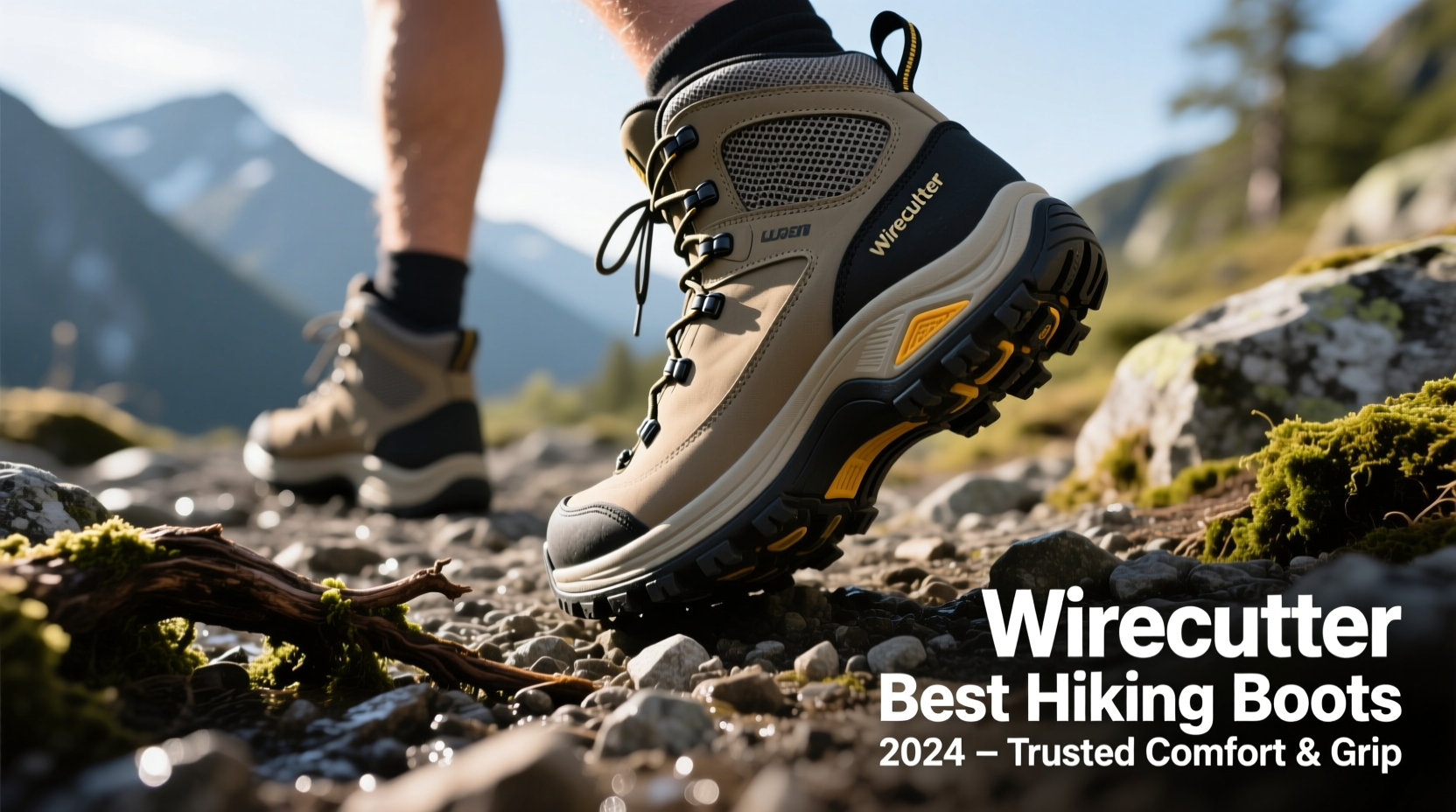
Wirecutter, a New York Times-owned product review site, stands out for its rigorous methodology. Unlike platforms that rely solely on manufacturer specs or influencer opinions, Wirecutter combines lab tests with field evaluations from experienced hikers. Their process includes:
- Testing waterproofing under controlled water immersion
- Assessing tread durability on abrasive surfaces
- Evaluating midsole cushioning after simulated long-distance wear
- Gathering user-reported data on break-in time and foot fatigue
“Real-world reliability beats spec-sheet superiority every time when choosing hiking boots.” — Wirecutter Gear Testing Team
This blend of technical analysis and lived experience ensures that their top picks aren’t just durable—they’re comfortable enough to earn repeat use and loyal followings.
Top 5 Wirecutter-Recommended Hiking Boots
Based on recent updates and long-term performance tracking, these five hiking boots consistently rise to the top due to their trusted comfort, reliable grip, and overall value.
| Boot Model | Best For | Key Features | User Feedback |
|---|---|---|---|
| Salewa Alp Trainer Mid | Technical terrain, mountaineering approach | Vibram® rubber, 3F System for ankle support, Gore-Tex lining | Excellent lateral stability; minimal break-in required |
| Merrell Moab 3 Waterproof | Beginner to intermediate trails, day hikes | EVA midsole, Vibram® outsole, mesh upper with protective toe cap | Most comfortable right out of the box; great value |
| La Sportiva Nucleo High GTX | All-season hiking, wet climates | Gore-Tex membrane, Impact Brake System heel, dual-density midsole | Superior grip on wet rocks; stays secure during descents |
| Solomon Quest 4D 3 GTX | Long-distance backpacking, heavy loads | Advanced Chassis system, GORE-TEX lining, Contagrip® MA outsole | Outstanding ankle support; handles uneven ground with ease |
| Danner Mountain 600 | Casual hiking, urban-to-trail versatility | Scarpa-designed sole, breathable mesh, waterproof liner | Fashion-forward design without sacrificing performance |
What Makes a Boot \"Trusted\" for Comfort and Grip?
User trust doesn’t come overnight. It’s built through consistent performance across seasons and terrains. Two elements stand out as non-negotiables: comfort and grip.
Comfort: More Than Just Cushioning
True comfort involves multiple factors working in harmony:
- Fit consistency: No heel slippage or toe jamming, even on steep ascents or descents.
- Breathability: Especially important in humid environments or summer hikes.
- Break-in period: Top-rated boots require little to no painful break-in phase.
- Arch support: Integrated or customizable insoles reduce foot fatigue over time.
The Merrell Moab 3, for instance, scores high because its air-cushioned heel and molded nylon shank absorb impact while maintaining responsiveness. Users report being able to hike 10+ miles on the first outing without discomfort—a rare achievement in hiking footwear.
Grip: Traction That Performs When It Matters
A boot can be comfortable, but if it slips on wet granite or loose gravel, it fails its primary job. Key aspects of reliable grip include:
- Outsole compound: Vibram® and Contagrip® are industry leaders for sticky rubber formulations.
- Lug depth and pattern: Deep, multi-directional lugs bite into soft soil and shed mud efficiently.
- Heel braking zones: Angled lugs at the rear improve control during downhill sections.
The Salomon Quest 4D 3 GTX uses a Contagrip® MA (Multi-Angle) compound specifically designed for mixed terrain. In independent user reports, it maintained footing where cheaper boots lost traction on damp tree roots and slick river crossings.
Mini Case Study: A 7-Day Trek Through the Smokies
Jamie R., an avid hiker from Asheville, NC, completed a seven-day loop through Great Smoky Mountains National Park wearing the La Sportiva Nucleo High GTX boots recommended by Wirecutter. With daily rainfall and elevation changes exceeding 3,000 feet, trail conditions ranged from deep mud to moss-covered boulders.
“I was skeptical about switching from my old brand,” Jamie said. “But after day two, I realized how much less strain I felt in my ankles. The grip on wet rocks was unreal—I didn’t slip once, even crossing rain-swollen streams. By day six, zero hotspots or blisters. That’s unheard of for me.”
This experience mirrors broader user sentiment: boots like the Nucleo High GTX don’t just prevent injury—they enhance endurance and confidence on unpredictable trails.
Step-by-Step Guide to Choosing Your Ideal Hiking Boot
Selecting the right boot goes beyond brand loyalty. Follow this timeline to ensure a smart purchase:
- Week 1: Assess Your Needs
Determine whether you need lightweight trail shoes, mid-cut boots for ankle support, or high-top versions for backpacking. - Week 2: Research Based on Terrain
If hiking in wet climates, prioritize waterproof membranes like Gore-Tex. For dry, rocky areas, focus on breathability and aggressive lugs. - Week 3: Try Multiple Pairs In-Person
Visit outdoor retailers with wide selections. Wear hiking socks and walk on inclined surfaces if possible. - Week 4: Test on Short Hikes
Before committing to a long trip, wear new boots on shorter trails to evaluate fit and comfort under load. - Ongoing: Maintain Regular Care
Clean off dirt, reproof waterproofing annually, and replace laces if frayed to extend lifespan.
Frequently Asked Questions
Do Wirecutter’s top hiking boots work for wide feet?
Yes. Models like the Merrell Moab 3 come in wide widths (up to EE) and feature roomier toe boxes. The Danner Mountain 600 also offers generous forefoot space, making them suitable for wider foot shapes without sacrificing heel lock.
Are expensive hiking boots worth it?
For regular hikers, yes. Higher-priced boots often use superior materials (e.g., full-grain leather, premium rubber compounds) and advanced construction techniques that translate into longer life and fewer injuries. Over time, cost per mile drops significantly compared to replacing budget boots every season.
How long should a good hiking boot last?
With proper care, most top-tier hiking boots last between 500 and 1,000 miles. Factors like terrain abrasiveness, frequency of use, and maintenance habits affect longevity. Resoling is often possible with brands like Salomon and La Sportiva, further extending usability.
Final Thoughts: Invest in Confidence Underfoot
Your hiking boots are the foundation of every adventure. The Wirecutter best hiking boots with user-trusted comfort and grip represent more than expert endorsements—they reflect years of real-world validation. Whether you're tackling weekend trails or preparing for a thru-hike, choosing a model backed by both testing rigor and user satisfaction means stepping forward with confidence.
Don’t settle for discomfort or compromised traction. Evaluate your needs, try the top contenders, and invest in a pair that supports every step. The trail rewards those who prepare wisely.




 浙公网安备
33010002000092号
浙公网安备
33010002000092号 浙B2-20120091-4
Comments
No comments yet. Why don't you start the discussion?