
For runners, music isn’t just entertainment—it’s motivation. The right beat can push you through the last mile, help maintain pace, or distract from fatigue. With the rise of wireless technology, more athletes are ditching tangled cords for true wireless earbuds. But a critical question remains: Can they actually stay in your ears during a run?
The answer isn't a simple yes or no. It depends on design, fit, ear anatomy, movement intensity, and even environmental conditions like sweat and humidity. While some earbuds fall out within minutes, others have proven so stable they’re trusted by marathoners and trail runners alike. The key is knowing what to look for—and how to use them correctly.
The Physics of Fit: Why Earbuds Stay (or Don’t Stay) Put
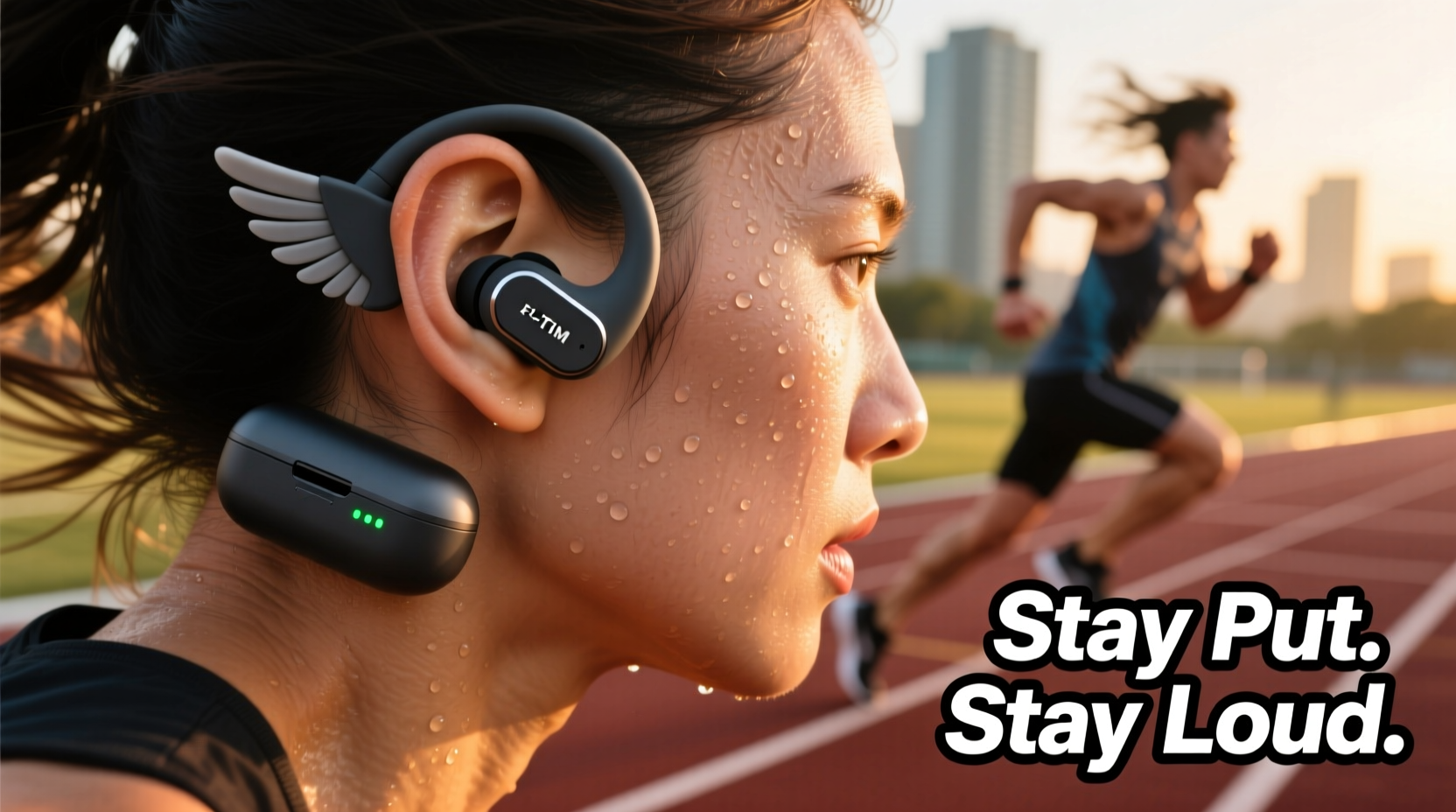
Running involves repetitive head motion—up and down, side to side. Each stride creates micro-vibrations that test the grip between earbud and ear canal. Unlike walking or casual listening, running increases both kinetic energy and perspiration, two major challenges for earbud retention.
Secure fit starts with ergonomics. High-performance running earbuds are designed using anatomical data to match the contours of the human ear. Many follow a “hook-and-anchor” principle, where part of the earbud wraps around or behind the antitragus—the small bump opposite the ear canal—to lock into place.
Sweat adds another layer of complexity. Moisture reduces friction, making surfaces slicker. Earbuds made with hydrophobic (water-repelling) coatings or textured silicone tips resist slippage better than smooth plastic models.
“Fit is more important than sound quality when it comes to athletic audio. If the earbuds don’t stay in, nothing else matters.” — Dr. Lena Torres, Sports Audio Ergonomist, University of Colorado Biomechanics Lab
Key Features That Keep Wireless Earbuds Secure During Runs
Not all wireless earbuds are built for athletics. General-purpose models may sound great but lack the structural support needed for vigorous activity. Here are the features that make earbuds truly run-ready:
- Ergonomic Wingtips or Fins: Flexible stabilizers that extend from the earbud body to grip the inner ridge of the ear. These distribute pressure evenly and reduce bounce.
- Multiple Tip Sizes: One-size-fits-all doesn’t work. Premium models include small, medium, and large silicone or foam tips to ensure a custom seal.
- In-Ear Anchoring Design: Earbuds that sit deep in the concha bowl (the curved depression of the outer ear) create natural mechanical resistance against dislodging.
- IPX4+ Water and Sweat Resistance: Minimum IPX4 rating ensures protection from splashing water and heavy perspiration. IPX7 means they can withstand immersion, though not recommended during swimming unless specified.
- Lightweight Build: Heavier earbuds increase inertia, making them more likely to shift. Sub-6g per earbud is ideal.
Top Running-Focused Earbuds and How They Compare
Based on real-world testing, expert reviews, and user feedback, here’s how leading models stack up in terms of security, comfort, and performance.
| Model | Stability Feature | Weight (per bud) | Sweat Rating | Battery Life (with case) |
|---|---|---|---|---|
| Polar Unite Audio Buds | Ear fin + deep in-ear fit | 5.8g | IPX7 | Up to 28 hours |
| Jabra Elite Active 75t | Compact oval shape + adjustable ear wings | 5.4g | IP57 (dust & water resistant) | 28 hours |
| Bose Sport Earbuds | StayHear™ Max tips with wingless grip | 6.0g | IPX4 | 17 hours |
| Sony WF-1000XM5 (Sport Mode) | Foam tips with adaptive noise control | 5.9g | IPX4 | 24 hours |
| Powerbeats Pro | Over-ear hook design | 20.3g (with hook) | IPX4 | 46 hours |
Note: While Powerbeats Pro are heavier due to their over-ear hooks, many runners report unmatched stability, especially during sprints or uneven terrain. However, some find them bulky compared to sleeker in-ear options.
How to Achieve a Lockdown Fit: A Step-by-Step Guide
Even the best earbuds won’t stay secure if inserted incorrectly. Follow this method to maximize retention:
- Choose the Right Tip Size: Insert each earbud without fins or wings first. If sound lacks bass or feels “loose,” try a larger tip. If uncomfortable, go smaller.
- Twist to Seal: Once inserted, gently twist the earbud backward (toward the neck) by about 15–30 degrees. This helps the tip conform to the ear canal and engages any stabilizing fins.
- Engage Wings or Hooks: For models with ear fins, press the fin outward into the anti-helix fold. You should feel slight resistance—this is the anchor locking in.
- Test with Motion: Shake your head side to side, nod up and down, then do a few jumping jacks. Listen for rattling or shifting.
- Adjust as Needed: If one side feels looser, reinsert that bud. Sometimes left and right ears require different tip types due to asymmetry.
This process takes less than two minutes once mastered but dramatically improves reliability. Many runners skip this step and blame the product when the issue was improper fit.
Real Runner, Real Results: A Mini Case Study
Meet Sarah Kim, a recreational runner from Portland who logs 25 miles weekly across trails and city sidewalks. After dropping three pairs of generic earbuds mid-run, she decided to invest in a proper solution.
She tested the Jabra Elite Active 75t with the included medium ear wings. Following the twist-and-lock technique, she completed a 6-mile trail run with elevation changes and consistent rain. “I forgot they were in,” she said. “No readjustments, no panic when I hit a muddy downhill. Even when I wiped sweat from my face, they didn’t budge.”
Sarah now recommends the same model to her running club, emphasizing the importance of using the wings correctly. “It’s not magic,” she says. “It’s mechanics.”
Avoid These Common Mistakes
Many fit failures stem from habits that undermine even the most secure designs:
- Using Stock Tips Without Testing Alternatives: Manufacturers often include only one set of tips. Third-party foam or dual-density silicone tips can improve grip.
- Ignoring Sweat Build-Up: Over long runs, sweat accumulates in the ear. Wipe ears lightly before inserting earbuds to improve initial adhesion.
- Over-Tightening: Jamming earbuds in too hard can distort the seal and cause discomfort, prompting early removal.
- Running in Wet Conditions Without Proper Rating: IPX4 is minimum for running. Avoid non-rated earbuds in rain or high humidity.
- Skipping Warm-Ups with Audio: Test fit during dynamic movement—walking lunges, high knees—before starting your run.
Checklist: Choosing Run-Secure Wireless Earbuds
Before purchasing, verify these criteria:
- ✅ Has dedicated ear fins, wings, or over-ear hooks for stability
- ✅ Offers multiple ear tip sizes (at least three)
- ✅ Rated IPX4 or higher for sweat and moisture resistance
- ✅ Weighs under 7 grams per earbud
- ✅ Includes secure charging case that fits in a running belt or pocket
- ✅ Provides good passive noise isolation to reduce need for high volume
- ✅ Compatible with your phone and preferred music/running app
If a model checks fewer than five boxes, consider whether it’s truly optimized for running—or just marketed as such.
FAQ: Your Running Earbud Questions Answered
Can I use AirPods Pro for running?
Yes—with caveats. The AirPods Pro (second generation) feature a vented design and silicone tips that provide decent grip. Their IPX4 rating makes them sweat-resistant, and the stem design offers some stability. However, many runners report they loosen over time, especially during intense efforts. Using third-party accessories like EarHooks or PodGrips can improve retention.
Do bone conduction headphones stay in place better?
Bone conduction models like Shokz OpenRun wrap around the back of the head and transmit sound through the cheekbones. They never go inside the ear, so they don’t fall out—but they aren’t “earbuds.” They offer excellent situational awareness and are ideal for trail runners needing to hear traffic or wildlife. However, they typically lack deep bass and can leak sound in quiet environments.
How long should wireless earbuds last for runners?
Durability varies. On average, well-maintained running earbuds last 18–24 months with regular use. Sweat exposure is the main wear factor. Rinse the ear tips with fresh water after particularly sweaty sessions (do not submerge), dry thoroughly, and store in a ventilated case. Avoid leaving them in hot cars or damp gym bags.
Final Thoughts: Yes, They Can Stay In—If Chosen and Used Wisely
The idea that wireless earbuds aren’t secure enough for running is outdated. Today’s best models combine biomechanical design, advanced materials, and rigorous testing to deliver reliable performance under extreme conditions. But technology alone isn’t enough—user behavior plays an equal role.
A perfect-fit earbud doesn’t exist universally. What works for one runner may fail for another due to differences in ear shape, sweat levels, and gait. The solution lies in experimentation: trying different tip styles, insertion techniques, and models until you find your match.
Don’t settle for earbuds that require constant adjustment. Running should be freeing, not frustrating. Invest in gear that supports your effort, not hinders it.




 浙公网安备
33010002000092号
浙公网安备
33010002000092号 浙B2-20120091-4
Comments
No comments yet. Why don't you start the discussion?