
In an era where fast fashion meets sustainable innovation, the question of fabric choice has never been more relevant. The wool versus polyester debate—especially when it comes to wardrobe staples like the skirt suit—is no longer just about texture or cost. By 2025, advancements in textile engineering, shifting consumer values, and evolving workplace norms have redefined what we expect from our clothing. Is natural wool still the gold standard for professionalism and longevity? Or has high-performance polyester closed the gap, offering a viable, eco-conscious alternative? The answer lies not in absolutes, but in context.
The Evolution of Professional Attire in 2025
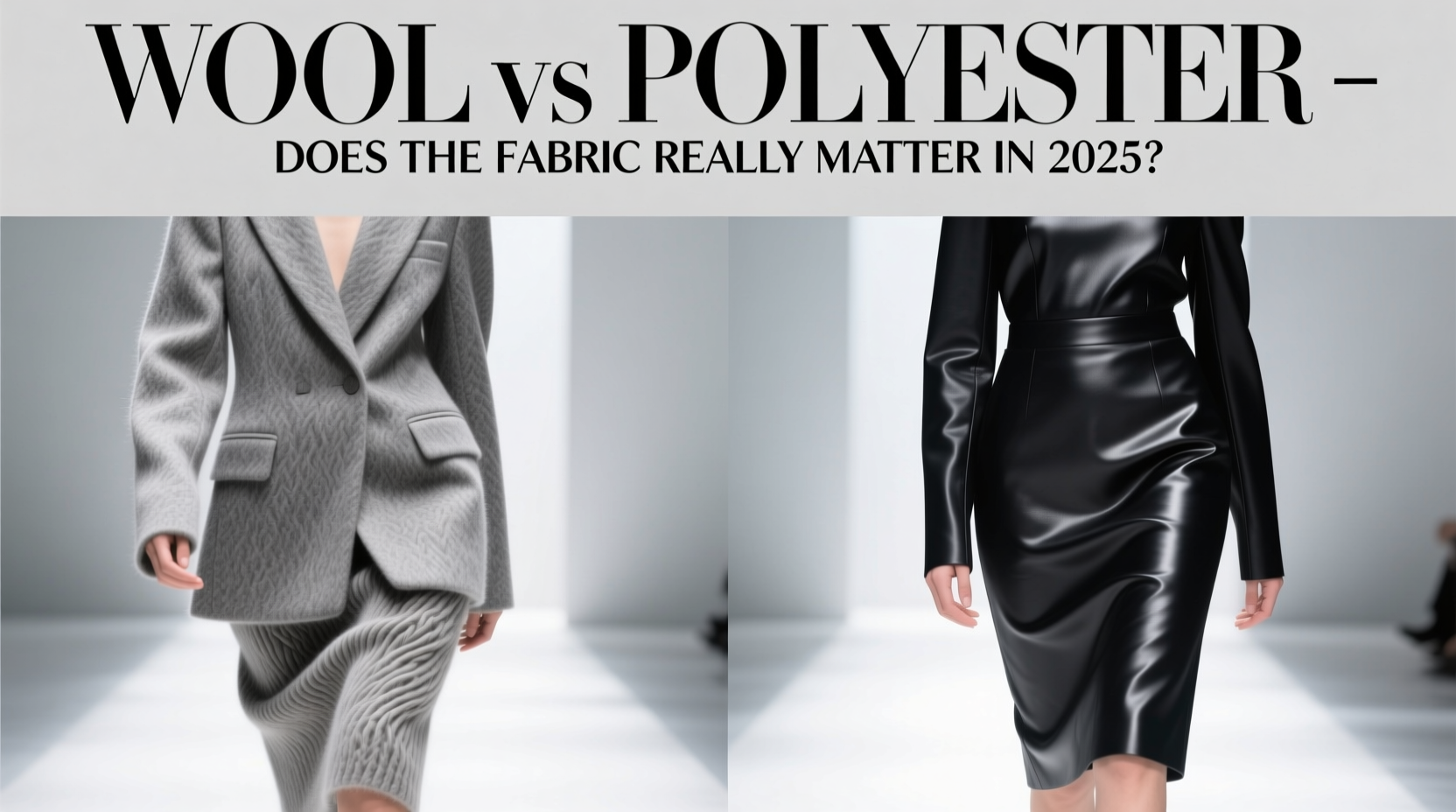
The traditional office environment has transformed. Hybrid work models, remote-first companies, and flexible dress codes mean that a skirt suit is no longer worn five days a week in climate-controlled boardrooms. Instead, professionals wear suits for client meetings, presentations, interviews, and formal events—often requiring garments that transition seamlessly from video calls to in-person appearances.
This shift changes how we assess fabric performance. Breathability, wrinkle resistance, ease of care, and environmental footprint now weigh as heavily as drape and tailoring. In this new landscape, both wool and polyester offer distinct advantages—and drawbacks.
Wool: Timeless Quality with Modern Challenges
Wool, particularly fine merino or super 120s blends, remains synonymous with elegance and durability. Its natural fibers regulate temperature, wick moisture, and resist odors—making it ideal for long days under pressure. A well-tailored wool skirt suit drapes beautifully, holds its shape over time, and conveys a sense of craftsmanship that synthetic fabrics struggle to replicate.
However, wool comes with caveats. It requires careful maintenance: dry cleaning is often recommended, which raises concerns about chemical use and environmental impact. Wool can also be sensitive to heat and moisture, shrinking if improperly handled. Additionally, its higher price point puts it out of reach for many budget-conscious professionals.
“Natural fibers like wool offer unmatched breathability and biodegradability. But their sustainability depends on ethical sourcing and responsible production.” — Dr. Lena Moreau, Textile Sustainability Researcher, ETH Zurich
Polyester: From Fast Fashion Villain to High-Tech Contender
Polyester has undergone a radical reinvention. Once dismissed as cheap, sweaty, and environmentally destructive, modern polyester—especially recycled variants—has gained legitimacy. Innovations like Repreve® and bio-based polyesters reduce reliance on virgin petroleum and lower carbon emissions. Performance finishes now add stretch, moisture-wicking, and anti-wrinkle properties, making polyester-blend skirt suits practical for travel and dynamic schedules.
In 2025, many premium brands offer polyester-based suiting designed for the modern professional: lightweight, crease-resistant, and machine-washable. These suits are often priced significantly lower than wool equivalents, increasing accessibility without sacrificing appearance—especially under artificial lighting or on camera.
Yet challenges remain. Polyester doesn’t breathe as well as wool, potentially leading to discomfort in warm environments. Microplastic shedding during washing continues to pollute waterways, despite filtration advances. And while recycled polyester reduces waste, it’s still not biodegradable.
Comparing Wool and Polyester: A Practical Breakdown
| Feature | Wool | Polyester (Recycled) |
|---|---|---|
| Durability | High – lasts 5–10+ years with care | Moderate – degrades faster under UV/light |
| Breathability | Excellent – regulates body temperature | Fair – prone to trapping heat |
| Wrinkle Resistance | Moderate – needs steaming/hanging | High – retains shape after folding |
| Care Requirements | Dry clean or hand wash only | Often machine washable |
| Sustainability | Biodegradable; high water/land use | Reduces plastic waste; microplastic issue |
| Cost (Average) | $300–$800+ | $100–$300 |
Real-World Scenario: Choosing for Purpose
Consider Sarah, a corporate consultant based in Berlin. She travels weekly, attends back-to-back meetings, and films client videos from her home studio. For years, she wore only wool suits—but found herself frustrated by frequent dry cleaning needs and wrinkling after flights.
In early 2025, she invested in a tailored skirt suit made from 70% recycled polyester and 30% TENCEL™ blend. The suit resists wrinkles, survives gentle machine washing, and looks sharp on Zoom. While not as breathable as wool, it performs exceptionally in controlled environments. She keeps one wool suit for in-person keynote events, where presence and texture matter most.
Sarah’s approach reflects a growing trend: strategic fabric selection based on use case, not tradition.
How to Choose the Right Skirt Suit for 2025
Selecting between wool and polyester isn’t about picking a “winner”—it’s about aligning material with lifestyle, ethics, and function. Follow this checklist to make an informed decision:
- Assess your usage: Will you wear it daily, occasionally, or for special events?
- Evaluate care access: Do you have reliable dry cleaning, or do you prefer machine-washable options?
- Consider climate: Hot or humid regions favor breathable wool; temperate zones may allow polyester.
- Review sustainability priorities: Are you prioritizing biodegradability or recycled materials?
- Test comfort: Wear samples for at least 90 minutes to assess breathability and movement.
- Check fiber content: Look beyond labels—ask whether polyester is recycled and certifications (e.g., GRS).
The Future of Suiting Fabrics Beyond 2025
The future lies not in choosing between wool and polyester, but in blending their strengths. Hybrid fabrics—such as wool-recycled polyester blends—are gaining traction. These combine wool’s elegance and breathability with polyester’s resilience and easy care. Brands like Eileen Fisher and Arket now offer such blends with transparent supply chains.
Additionally, next-gen materials like bio-fabricated wool (grown in labs without sheep) and plant-based polyesters are entering pilot stages. By 2027, these could redefine the entire conversation—offering ethical, high-performance alternatives that eliminate current trade-offs.
Frequently Asked Questions
Is polyester suitable for formal business settings in 2025?
Yes—especially high-quality, structured blends. Many modern polyester suits mimic the drape and finish of wool so closely that they’re indistinguishable in person or on camera. As long as the cut is sharp and the fit precise, polyester is fully appropriate for formal environments.
Does wool always require dry cleaning?
Not always. Some fine wools can be hand washed using pH-neutral detergents and laid flat to dry. Always check the care label. However, frequent washing risks shrinkage, so spot cleaning and airing out between wears are recommended.
Which fabric is more sustainable overall?
There’s no simple answer. Wool is biodegradable but resource-intensive to produce. Recycled polyester reduces landfill waste but sheds microplastics. The most sustainable choice depends on how long the garment is worn, how it’s cared for, and end-of-life disposal. Longevity and mindful use outweigh initial material impact.
Final Thoughts: Fabric Matters—But Context Matters More
In 2025, fabric still matters—but not in the way it once did. We’ve moved beyond rigid hierarchies where wool reigns supreme. Instead, intelligent dressing means matching material to purpose, values, and lifestyle. A wool skirt suit remains a timeless investment for those who value tradition, breathability, and tactile quality. A recycled polyester suit offers practicality, affordability, and innovation for the mobile, eco-aware professional.
The real question isn’t “which fabric is better?” but “what do I need this suit to do?” Answer that, and the choice becomes clear.




 浙公网安备
33010002000092号
浙公网安备
33010002000092号 浙B2-20120091-4
Comments
No comments yet. Why don't you start the discussion?