
Choosing the right bag for daily use isn’t just about style—it’s about function, comfort, and long-term reliability. Many people assume a weekend travel bag can double as a work commuter, or that a sleek laptop tote will survive a spontaneous overnight trip. The truth is, these bags are designed with different priorities in mind. Using the wrong one every day leads to wear, discomfort, and inefficiency. Understanding the core differences helps you invest wisely and carry with confidence.
Different Purposes, Different Designs
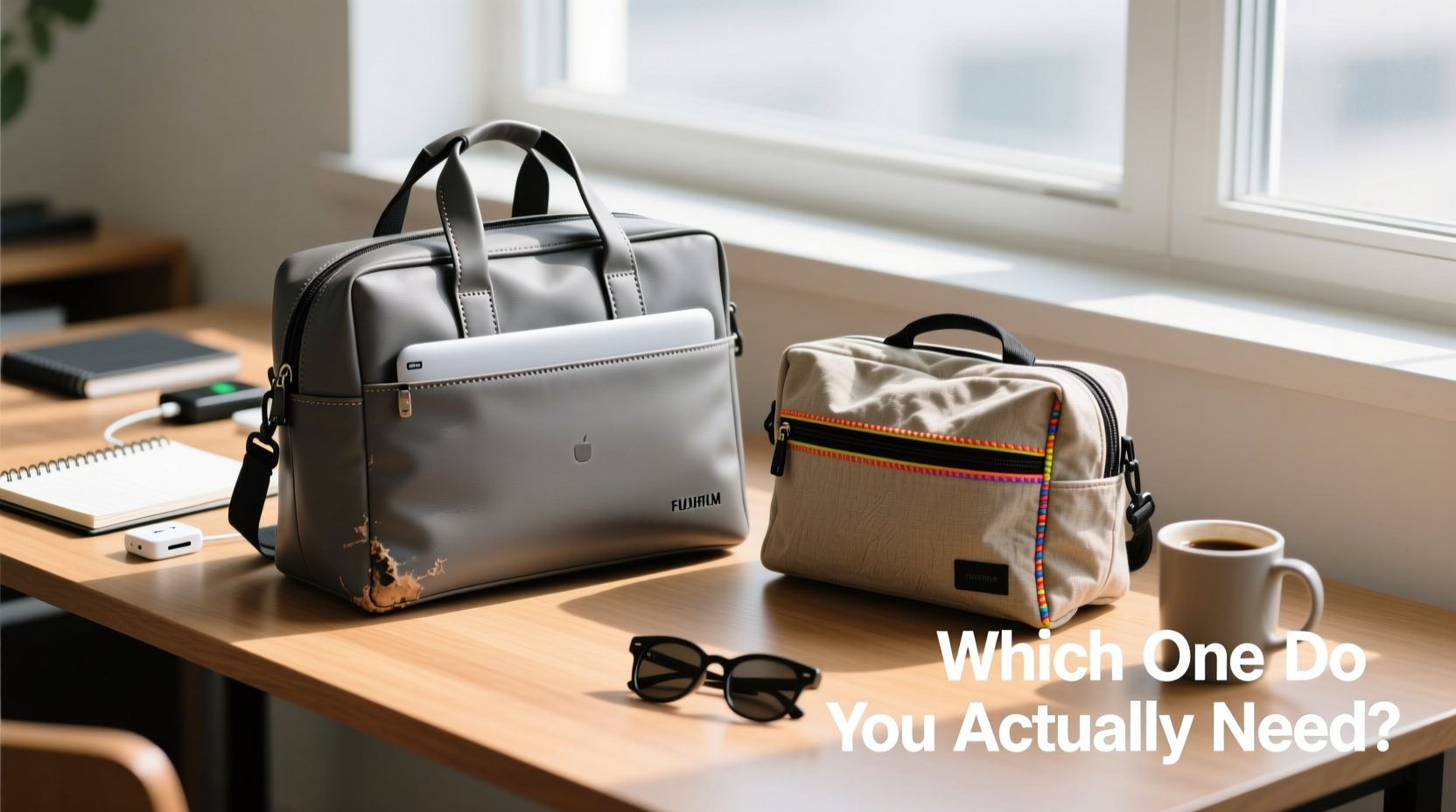
A work commute bag is engineered for routine. It prioritizes organization, protection for electronics, and ergonomic comfort during short to moderate transit—whether walking, biking, or riding public transport. These bags typically feature padded laptop sleeves, quick-access pockets for phones and transit cards, and structured compartments for files or notebooks.
In contrast, a weekend travel bag is built for versatility and capacity. It's meant to hold clothing, toiletries, and personal items for 48 hours or more. Common styles include duffels, soft-sided totes, or hybrid backpack-duffel combos. While they may have a small tech pocket, their focus is on volume and flexibility—not daily structure.
The overlap creates confusion. A large commuter might seem capable of holding extra clothes; a compact weekend bag might appear suitable for office gear. But consistent use exposes design flaws: zippers strain, straps sag, and materials degrade when pushed beyond intended roles.
Key Features Compared
| Feature | Work Commute Bag | Weekend Travel Bag |
|---|---|---|
| Laptop Protection | Padded, dedicated sleeve (often 13–17\") | Rare; if present, minimal padding |
| Organization | Multiples pockets, pen holders, key clips | Few internal divisions; open main compartment |
| Weight Distribution | Ergonomic straps, back padding, chest stabilizers | Bulk handles or single shoulder strap; less support |
| Durability Focus | Reinforced stitching, water-resistant fabrics | Lightweight materials for portability |
| Capacity | 10–20L (optimized for essentials) | 25–40L (clothes, shoes, toiletries) |
| Everyday Comfort | Designed for 30+ minutes of daily carrying | Uncomfortable after prolonged use |
Real-World Scenario: Alex’s Daily Struggle
Alex, a UX designer in Seattle, bought a premium weekend duffel because he liked its minimalist look and thought it would “do everything.” He used it Monday through Friday, stuffing his laptop, charger, notebook, headphones, lunch, and gym clothes inside. Within three months, the shoulder strap detached at the seam, the base scuffed from sidewalk contact, and the lack of organization meant he spent 10 minutes each morning digging for his transit pass.
He switched to a purpose-built commuter backpack with a ventilated back panel, side water bottle pocket, and RFID-safe card slot. Despite costing slightly more, it reduced physical strain and saved time. When he needed to travel, he packed a separate compact duffel. The switch wasn’t about owning more—it was about using the right tool for each job.
“People underestimate how much daily friction comes from poor gear choices. A good commuter bag pays for itself in saved time and reduced stress.” — Jordan Lee, Urban Mobility Consultant
What to Look for in an Everyday Bag
If your primary need is daily office or remote work transport, prioritize these elements:
- Secure laptop compartment with at least 1cm of padding and independent closure
- Weather resistance—look for coated nylon, polyester, or waxed canvas
- Comfortable carry system—adjustable straps, breathable back panel, optional sternum strap
- Security features like lockable zippers or anti-theft hidden pockets
- Size under 20 liters to avoid overpacking and maintain mobility
- Durable hardware—zippers should glide smoothly after hundreds of uses
For occasional travelers who want some flexibility, consider a hybrid commuter-travel bag. These models blend structured organization with expandable capacity. Brands like Peak Design, Bellroy, and Aer offer options that handle a 9-to-5 week and a weekend away without compromise.
Step-by-Step: Choosing Your Ideal Everyday Bag
- Assess your daily load: List everything you carry—laptop, tablet, power bank, lunch, jacket, etc.
- Measure your commute: Note duration, terrain (stairs, bike paths), and transport type (subway, car).
- Determine carry preference: Backpack, messenger, briefcase, or tote?
- Set a durability benchmark: Look for ripstop fabric, bar-tacked stress points, and YKK zippers.
- Test real-world fit: If buying online, check return policy. If in-store, load it with similar weight to simulate use.
- Consider future needs: Will you work remotely part-time? Attend offsite meetings? Need hydration access?
When a Weekend Bag Might Work (Rarely)
There are edge cases where a weekend travel bag functions for daily use. For example:
- You work remotely and rarely carry a laptop.
- Your office has lockers, so you only transport light personal items.
- You use a foldable duffel as a secondary bag inside a larger case.
Even then, frequent use demands rugged construction. Soft, unstructured fabrics like thin cotton or flimsy polyester won’t withstand pavement contact or repeated loading. If you insist on using a travel-style bag daily, choose one with reinforced bases, cross-body straps, and internal dividers.
Checklist: Is This Bag Right for Daily Use?
- ✅ Has a padded, dedicated laptop sleeve
- ✅ Fits all essential items without overstuffing
- ✅ Feels balanced when worn (no tipping or strain)
- ✅ Includes easy-access pockets for phone, keys, wallet
- ✅ Made from abrasion-resistant, water-repellent material
- ✅ Zippers operate smoothly under load
- ✅ Can be carried comfortably for at least 45 minutes
Frequently Asked Questions
Can I use a weekend duffel as my daily work bag?
Only if you carry minimal gear and prioritize style over function. Most duffels lack laptop protection, organization, and ergonomic support, making them impractical for long-term daily use.
Are hybrid commuter-weekend bags worth it?
Yes—if you frequently switch roles. Look for models with modular interiors, expandable sides, and durable construction. They cost more upfront but eliminate the need for multiple specialized bags.
How do I extend the life of my everyday bag?
Clean it regularly based on material (wipe-down for synthetics, conditioner for leather), avoid overloading, store it upright in a dry place, and rotate usage if you own multiple bags.
Final Recommendation
For true everyday use, a work commute bag is almost always the superior choice. It’s designed for repetition, protection, and efficiency. A weekend travel bag excels in capacity and spontaneity—but not in the grind of daily transit and work demands. Investing in a high-quality commuter model tailored to your load and lifestyle reduces physical strain, protects expensive devices, and streamlines your routine.
If your life blurs the line between office and adventure, explore purpose-built hybrids. But never assume one size fits all. Your bag should serve you—not create new problems.




 浙公网安备
33010002000092号
浙公网安备
33010002000092号 浙B2-20120091-4
Comments
No comments yet. Why don't you start the discussion?