
When you slice open a watermelon expecting deep red flesh and instead find bright yellow or golden interior, it can be surprising. But this isn’t a sign of spoilage or contamination — it’s natural. Yellow watermelons are a distinct variety that have been cultivated for generations, particularly in Africa and parts of Asia. Their color comes from different pigments than red watermelons, resulting in a unique flavor profile and nutritional composition. Understanding what causes the yellow flesh and what it means for taste, health, and culinary use helps demystify this vibrant fruit.
The Science Behind the Color: Why Is the Inside Yellow?
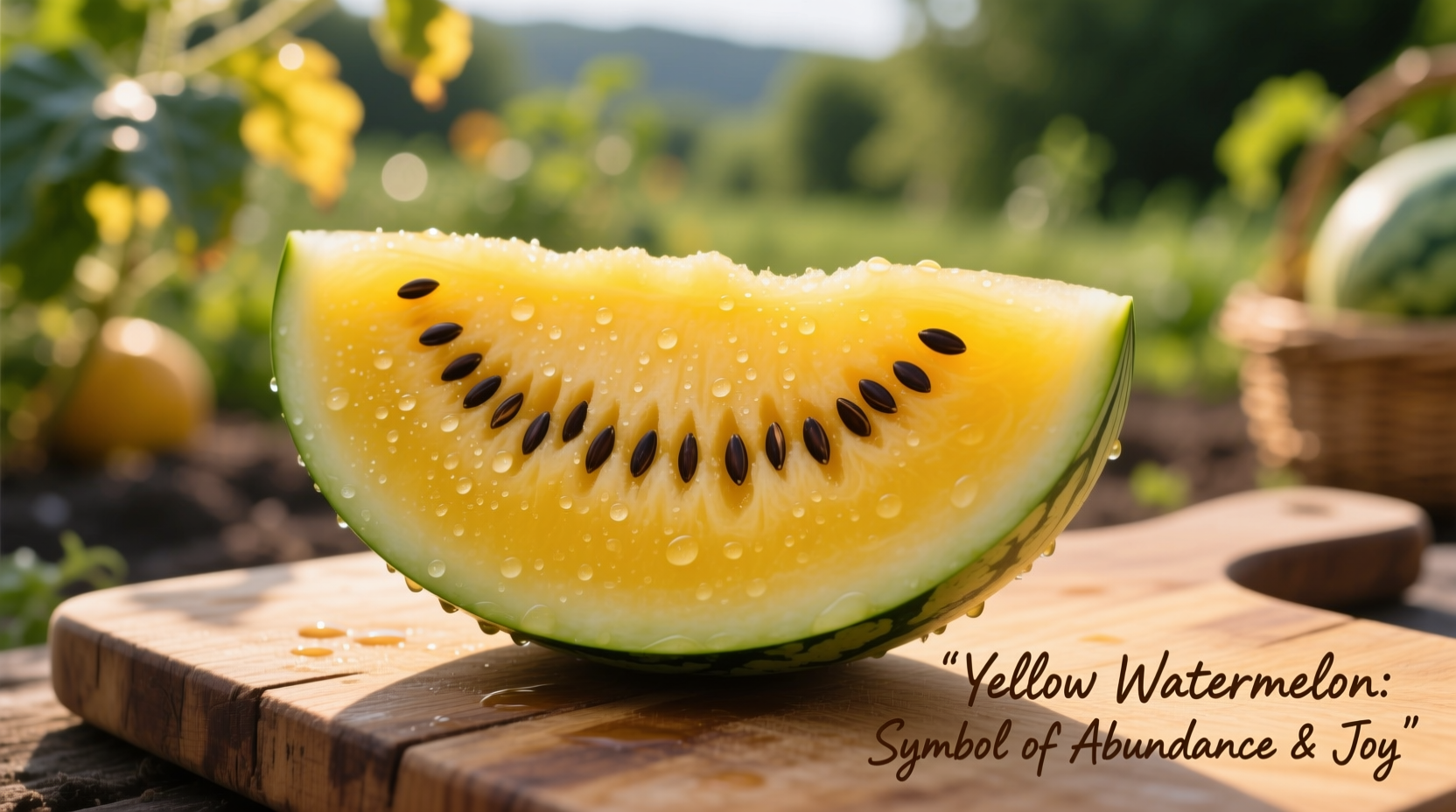
The color of watermelon flesh is determined by carotenoids — natural pigments responsible for red, orange, and yellow hues in many fruits and vegetables. In red watermelons, lycopene is the dominant carotenoid, giving them their signature crimson color. Lycopene is also found in tomatoes and pink grapefruit and is known for its antioxidant properties.
In contrast, yellow watermelons contain little to no lycopene. Instead, they are rich in other carotenoids like xanthophylls and beta-carotene — the same pigment found in carrots and sweet potatoes. Beta-carotene contributes to the yellow or golden hue and converts into vitamin A in the body, supporting eye health and immune function.
Nutritional Differences Between Yellow and Red Watermelon
While both types share core characteristics — high water content, low calorie count, and good hydration support — there are subtle but meaningful differences in their nutrient profiles.
| Nutrient | Red Watermelon | Yellow Watermelon |
|---|---|---|
| Primary Pigment | Lycopene | Beta-carotene |
| Antioxidant Strength | High (due to lycopene) | Moderate to high (different antioxidant profile) |
| Vitamin A Contribution | Low | Higher (from beta-carotene) |
| Sugar Content | 7–10% | Often slightly higher, perceived as sweeter |
| Culinary Use | Juices, salads, snacks | Fruit platters, smoothies, gourmet dishes |
Despite common misconceptions, yellow watermelons are not genetically modified. They are heirloom varieties that predate many modern red cultivars. Their sweetness often sets them apart — many consumers report a honey-like flavor compared to the more tart-sweet balance of red melons.
Taste, Texture, and Culinary Applications
Yellow watermelons tend to have a smoother, less fibrous texture and a milder, more consistent sweetness. This makes them especially appealing in raw preparations where delicate flavor is desired.
They perform exceptionally well in:
- Fruit salads with citrus, mint, and feta cheese
- Smoothies and cold soups (like gazpacho variations)
- Grilled or seared dishes, where caramelization enhances natural sugars
- Cocktail garnishes and infused waters
“Yellow watermelons offer a subtler, almost floral sweetness that works beautifully in both sweet and savory applications.” — Chef Marcus Lin, Farm-to-Table Specialist
Because they lack the strong vegetal notes sometimes present in red watermelons, yellow varieties integrate more seamlessly into complex flavor pairings. For example, combining yellow watermelon with basil, prosciutto, or lime zest creates a refined palate experience often favored in upscale dining.
How to Choose and Store Yellow Watermelon
Selecting a ripe yellow watermelon follows the same principles as selecting a red one. Look for these indicators:
- Uniform Shape: Symmetry suggests even growth and proper ripening.
- Dull Rind: A shiny rind indicates immaturity; a dull finish means peak ripeness.
- Creamy Spot: The ground spot (where it rested on soil) should be creamy yellow, not white or green.
- Heavy Feel: A heavier melon for its size contains more water and is juicier.
- Deep Hollow Sound: Tap it — a hollow thump signals ripeness.
Once cut, store unused portions in an airtight container in the refrigerator for up to 3–4 days. Whole uncut melons can be kept at room temperature for about a week or in a cool, dry place away from direct sunlight.
Common Misconceptions and Safety Concerns
Many people worry that yellow flesh indicates rot, disease, or genetic modification. This is not true. As long as the melon smells fresh, has firm texture, and shows no signs of mold or fermentation, it is perfectly safe to eat.
Discoloration that raises concern includes:
- Grayish or brown streaks within the flesh
- Soft, mushy spots or slimy texture
- Sour or alcoholic odor
These symptoms indicate spoilage, regardless of whether the watermelon is red or yellow. True yellow-fleshed varieties maintain uniform color from center to rind edge and do not degrade rapidly if stored properly.
Mini Case Study: Farmer’s Market Discovery
In central California, a small-scale farmer began planting yellow watermelon varietals after noticing increased customer interest in “unique produce” at local markets. Initially hesitant due to low demand, she introduced ‘Buttercup’ and ‘Yellow Doll’ varieties alongside her red melons. Within two seasons, the yellow types sold out first, often prompting repeat customers asking specifically for the “golden honey melon.”
She attributed the shift to better education at point-of-sale — using simple signage explaining the natural origin and flavor benefits. This case illustrates how consumer hesitation can be overcome with transparency and sensory experience.
FAQ
Is yellow watermelon genetically modified?
No. Yellow watermelons are naturally occurring heirloom varieties. They have been grown for centuries, particularly in Africa, and are the result of selective breeding, not genetic engineering.
Does yellow watermelon taste different from red?
Yes. It tends to be sweeter and less acidic, with a mild, honey-like flavor. Some describe it as having floral or tropical notes absent in red varieties.
Are there any health advantages to eating yellow watermelon?
It provides higher levels of beta-carotene, which supports vision and immune health. While it lacks lycopene, it still offers hydration, potassium, and antioxidants beneficial for heart and skin health.
Checklist: How to Enjoy Yellow Watermelon Safely and Deliciously
- ✅ Confirm the flesh is uniformly yellow with no dark streaks
- ✅ Smell the flesh — it should be fresh and mildly sweet
- ✅ Use within 3–4 days if refrigerated after cutting
- ✅ Pair with herbs like mint or basil to enhance flavor
- ✅ Try grilling slices for a caramelized summer dessert
- ✅ Educate others — share facts about its natural origins
Conclusion: Embrace the Golden Variety
Finding yellow flesh inside a watermelon isn’t a cause for alarm — it’s an invitation to explore a delicious, nutritious alternative to the familiar red type. Whether you're drawn to its sweeter taste, vibrant appearance, or enhanced vitamin A content, yellow watermelon stands on equal footing with its red counterpart. By understanding the science behind its color and learning how to select and use it effectively, you expand your culinary repertoire and appreciation for agricultural diversity.




 浙公网安备
33010002000092号
浙公网安备
33010002000092号 浙B2-20120091-4
Comments
No comments yet. Why don't you start the discussion?