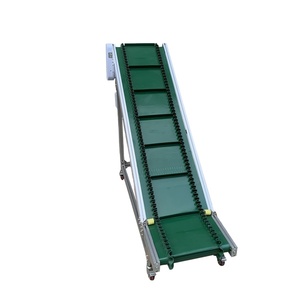
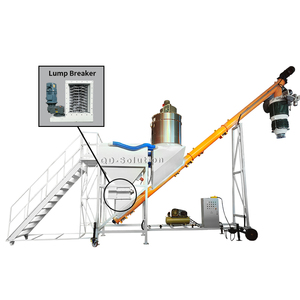
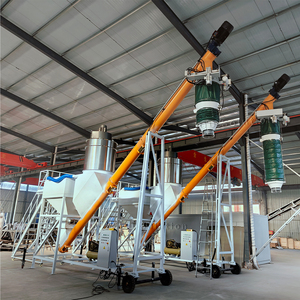
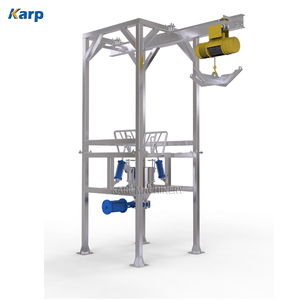
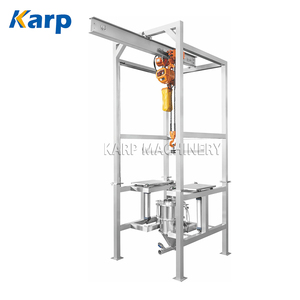
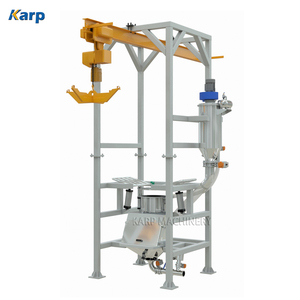
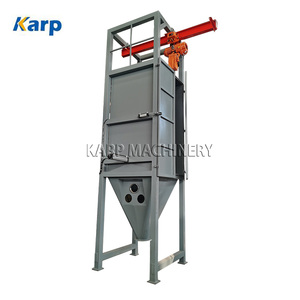
(5 products available)


The hopper wagon unloading system is designed to unload bulk materials quickly and safely. The unloading system can be classified into three main types, as discussed below.
Bottom Discharge Hoppers
Bottom discharge hoppers are also known as bottom dump hoppers. They are designed to unload materials from the bottom. The hoppers have gates that open to allow the contents to be discharged directly onto the track or onto a conveyor system. Bottom discharge hoppers are known for their high unloading speed and are commonly used in applications where quick turnaround times are essential, such as coal and grain transportation.
Side Dump Hoppers
Side dump hoppers are also known as side discharge hoppers. They are designed to unload materials from the sides. The hoppers have gates located on the sides that open to allow the contents to be discharged onto the adjacent track or a sideline conveyor system. Side dump hoppers are used in applications where lateral space is available for unloading and are often employed in situations involving bulk materials like minerals and aggregates.
Rotary Dumper Hoppers
Rotary dumper hoppers are also known as rotary dumper wagons. They are designed to unload materials through a rotating mechanism. The entire wagon or the container of the unloading system is rotated, which aligns the bottom opening with the unloading area. This rotation seals the material inside the wagon and prevents spillage during transport. The mechanism is efficient because it minimizes the time taken to unload and reduces the dust and noise associated with bulk material handling. Rotary dumper hoppers are commonly used for transporting coal, grain, and other bulk materials where quick and clean unloading is essential.
Before purchasing a hopper wagon unloading system for business, it's important to understand its specifications and maintenance requirements. Here are some key considerations:
Capacity
The capacity of the wagon unloading system should be determined. This is the amount of material it can handle and the rate at which it can be unloaded. For example, a high-capacity system might be able to unload 2,000 tons of coal per hour, while a lower-capacity system might be limited to 500 tons per hour.
Size and Dimensions
The size and dimensions of the hopper wagon unloading system should be suitable for the available space at the loading terminal. Consider the length, width, and height of the system, as well as the footprint required for installation and operation. Additionally, the size and dimensions of the hopper itself should be considered, as this will impact the storage capacity and material flow characteristics.
Material Compatibility
The unloading system should be designed and constructed from materials suitable for handling the specific type of material being transported. For example, if the system is used for bulk chemicals, it should be resistant to corrosion and compatible with the properties of the chemicals being handled.
Power Requirements
Consider the power requirements of the hopper wagon unloading system, including the electrical or hydraulic systems needed to operate the various components. Ensure that the available power infrastructure can support the system's requirements, and consider energy efficiency to minimize operational costs.
Control and Automation
Look for features such as automated controls, safety interlocks, and monitoring systems that can enhance operational efficiency and safety.
Mobility and Flexibility
If the unloading system needs to be used in multiple locations or requires frequent repositioning, consider the mobility features. Look for options such as wheeled or tracked systems, quick coupling mechanisms, and modular designs that facilitate easy transport and reconfiguration.
Proper maintenance of the hopper wagon unloading system is essential to ensure its longevity, reliability, and safety. Here are some general maintenance requirements:
Regular Inspections
Conduct routine inspections of the entire unloading system, including wagons, hoppers, cranes, and conveyor belts. Look for signs of wear, damage, leaks, and unusual vibrations or noises. Pay attention to critical components such as bearings, hydraulic systems, and electrical connections.
Lubrication
Follow the manufacturer's recommendations for lubrication intervals and use the appropriate lubricant for each component. Pay special attention to moving parts such as cranes, conveyor belts, and hopper discharge valves.
Wear Parts Replacement
Monitor the condition of wear parts such as conveyor belts, screens, and liners in the hoppers. Replace them promptly to prevent material leakage, equipment damage, and performance degradation.
Hydraulic System Maintenance
If the unloading system relies on hydraulics, regularly check the hydraulic fluid levels, filters, and hoses. Replace filters as needed and inspect hoses for signs of wear, leaks, or bulges. Keep the hydraulic system clean and free of contaminants to ensure optimal performance.
Electrical System Maintenance
Inspect the electrical components, including motors, switches, and control panels, for signs of wear or damage. Ensure all electrical connections are tight and free of corrosion. Follow the manufacturer's instructions for maintaining and troubleshooting the electrical system.
By understanding the specifications and maintenance requirements of hopper wagon unloading systems, businesses can select the right system for their needs and ensure optimal performance and reliability over time.
When choosing a hopper wagon unloading system, it's important to consider the following factors:
Type of Materials to Be Unloaded
The type of materials being unloaded should be considered when choosing a hopper wagon unloading system. Different systems are designed for different types of materials, such as bulk solids, aggregates, or grains. For example, a conveyor system may be more suitable for granular materials, while a belt loader system could be used for bulkier materials.
Site Conditions
Consider the site conditions where the unloading system will be installed. Factors such as available space, terrain, and environmental conditions (e.g., noise restrictions, dust control) can influence the selection of the hopper wagon unloading system. Additionally, the system must be compatible with the existing infrastructure and logistical operations of the unloading area.
Capacity and Throughput
Determine the required capacity and throughput of the unloading system to match the expected unloading operations. Consider factors such as the size and capacity of the hopper wagon, the material flow rate, and the unloading time requirements. The unloading system should be designed to handle the maximum capacity and ensure efficient material transfer without bottlenecks.
Maintenance and Reliability
Consider the maintenance requirements and reliability of the hopper wagon unloading system. Choose a system with a proven track record of reliability and durability to minimize downtime and reduce maintenance costs. Evaluate the accessibility of components for maintenance and the availability of spare parts and technical support.
Safety Considerations
Safety is a critical aspect of any unloading operation. Consider the safety features and protocols integrated into the hopper wagon unloading system. This includes emergency stop systems, personnel safety measures, dust and noise control, and compliance with relevant safety regulations. Ensure that the selected system prioritizes the safety of operators and surrounding personnel.
Flexibility and Adaptability
Consider the flexibility and adaptability of the hopper wagon unloading system. If future changes in material types, unloading requirements, or expansion possibilities are anticipated, choose a system that can accommodate these changes without significant modifications.
Cost and Budget
Finally, consider the cost and budget constraints for the hopper wagon unloading system. Evaluate the initial investment, operating costs, maintenance costs, and potential return on investment over the system's lifespan. Consider the long-term benefits of efficiency, reliability, and safety when making the decision.
Some steps involved in DIY and replacement of the wagon unloading system are as follows:
Q1: What is a hopper wagon unloading system?
A1: The hopper wagon unloading system is a train wagon with a hopper used to store and transport bulk material such as coal, minerals, and aggregates. The wagon unloading system can be either manual or automated. The key components of the wagon unloading system include the track, hoppers, and wagon loading devices.
Q2: What are the advantages of the hopper wagon unloading system?
A2: The hopper wagon unloading system has several advantages, including high unloading efficiency, reduced labor costs, and low maintenance costs.
Q3: Can the hopper wagon unloading system be used for different materials?
A3: Yes. The hopper wagon unloading system can be used to unload various bulk materials such as coal, grains, and aggregates.
Q4: What is the maintenance requirement for the hopper wagon unloading system?
A4: The maintenance requirement for the hopper wagon unloading system includes regular inspections, track maintenance, and equipment maintenance.