All categories
Featured selections
Trade Assurance
Buyer Central
Help Center
Get the app
Become a supplier
(6 products available)


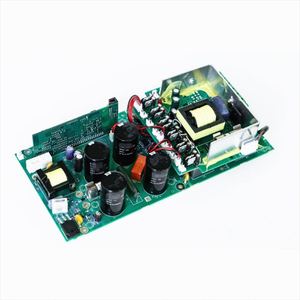


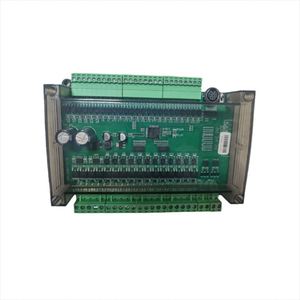
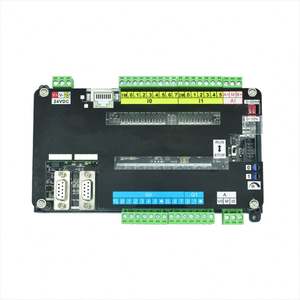


Trackball input outputs come in various types. Some of these are based on the structure and features of the various trackballs. Here are the common types of trackballs available on the market today:
Mechanical trackballs use rolling balls. These rollers are located under the ball's surface. The rollers then translate the ball's movement into cursor movement. The main advantage of these types is durability. This is because, unlike optical ones, they are less sensitive to debris or dust.
Optical trackballs rely on embedded sensors. These sensors are under the ball and on its surface. These sensors track the motion of the ball. The advantage of optical trackballs is that they are more sensitive. Therefore, one has to be very careful when using them as they are highly susceptible to dirt.
Wireless trackballs use Bluetooth or other wireless technologies to connect with devices. This type allows greater flexibility. One can easily move a wireless trackball without worrying about cables. The downside to this is that one has to keep the batteries charged all the time.
These are small-sized trackballs. They are designed for portable devices or laptops. Due to their small size, they might not provide the same level of precision as larger models. However, they are very handy for mobility.
They are less common but include multiple trackballs or unique shapes. These designs can offer more complex input capabilities. A good example is the multi-ball design, which enables different types of movements to be detected at once. This feature can greatly enhance user experience and comfort.
Understanding these types will make one will choose product designs that will suit operational needs effectively. It will also be wise to consider the industry and existing technology. This is because these two factors greatly influence how the different types will perform.
Trackballs are quite versatile. One can use them for a wide range of inputs. Here are some of the key industries that benefit from incorporating trackballs into their input-output systems.
The gaming industry is the first industry to benefit from high-precision input requirements. For example, if a client needs accuracy or fast movement and aiming affinities needs precision input, it is the trackball that will do the magic. There are specialized gaming trackballs with ergonomic designs. These making them very suitable for gamer's long hours of play. Therefore, in this industry, it is important to consider durability and response time when choosing a trackball.
The users in the medical field have to process highly sensitive data. The above data has to be processed with a great degree of accuracy. That is why users need great precision in surgeries and diagnostics equipment. One great example is using trackballs in medical imaging systems. These systems need smooth control for optimal results. Ergonomic and easy-to-sanitize trackballs are necessary for reducing the operation time of the medical personnel.
In this space, the use of trackballs is common in controlling heavy machinery and monitoring processes. Large machinery often has trackballs added to their systems to control the huge systems. Mechanical and durable trackballs are suitable for industrial applications as they can withstand harsh environments and are very easy to use.
For the defense and aerospace industries, reliability and durability are of utmost importance. Trackballs control the intricate systems within aircraft and military equipment. One great example for this is using a triball design that has been proven to be very reliable in critical-operation situations. The people in this industry usually go for ruggedized trackballs that can survive tough conditions.
The one key thing that this industry needs is the one which will enable the smooth operation of this industry, and that is precision. Smooth shape edges and accurate color inputs require effective input devices. Designers prefer ergonomic and high-precision trackballs. The aforementioned trackballs reduce fatigue while increasing accuracy for design applications.
All these industries have different needs. They mainly depend on precision, durability, and operational factors. These differences greatly impact the type of trackball used in each industry. How a business will select the right one will depend on the business use case of the trackball input output and the environment that will host the trackball.
Depending on the model and manufacturer, the specifications and features of the trackball inputs and outputs widely vary.
Ball size and material
The size of the ball will affect the control and speed of the cursor as it determines how well the ball will perform its function. For instance, larger balls provide more control, while smaller balls offer more speed. Most of the modern trackballs come with balls that are made of high-quality plastic or rubber. These materials increase the grip and decreases the wear.
Sensor type
There are two main types of sensors. These are optical and mechanical. As explained earlier, each sensor type has its own benefits and disadvantages to the users. The choice depends on the client's needs and preferences when it comes to using a trackball.
Ergonomics and design
Most trackballs are purposely designed to eliminate the strain that may build up after some time. Several modern trackballs have additional features to boost comfort, such as wrist supports and palm rests. This increases their comfort when using them for a long period of time.
Buttons and customizability
Most of the trackballs come with several configurable buttons. The buttons are generally within easy reach of one's thumb. This is done to ensure effectiveness. These buttons can perform different actions, such as customizing shortcuts and adjusting settings. Customization has been shown to greatly improve productivity, particularly in professional environments.
Connection options
Trackballs have different connection means. The connections can be wired or even wireless. Connection options mainly depend on what the client connects their trackball to. For instance, if a client will be connecting it to a laptop, then a Bluetooth trackball will suffice. On the other hand, if the client will connect it to a desktop, then a wired connection is more reliable than a wireless one.
To select an ideal trackball input-output system for clients, one has to consider various factors. Below are these factors, which also serve as a guide to making a successful selection.
What clients need should always be considered first. If the client's main need is ergonomic use, then go for one with an ergonomic design. However, if the client need is precision, then go for a high-precision optical trackball. There is no need for clients whose needs are not in this area to focus on these areas' operational factors since they will not benefit from them.
These factors include what the client will use the trackball for and the industry they are in. Everything should be considered in this section, from temperature to industrial debris and even humidity. For people in the industry, the natural trackball's material should be one with high durability and temp. resistance. On other users, such users have to take into consideration sanitation and dust-proof properties.
Here, there are three main specifications that one should have on their trackball. One should look at the type of sensor and the size of the trackball. Also, do not forget to check out the button configuration and customizability. In other word, they help to boost the performance of the trackball. These technical factors also help guarantee that the input-output device will provide great service.
Realistic cost considerations are of great importance when purchasing any item, and trackballs are no exception. What will dictate the cost will mainly be the type and the features of the trackball. Sometimes, one has to pay extra for durable and very effective input devices. However, it is also crucial not to overlook the long-term benefits of using those input devices. For example, in professional areas where precision is key, going for that extra dollar trackball might come in handy and save one many potential expenses in repair or replacements.
Considering the above factors will help one purchase the most suitable trackball for their clients. It will also result in improved effectiveness and satisfaction for clients regardless of the industry they are in.
A1. No, not all trackballs will work on every surface. However, most optical trackballs especially have surface requirements because of their sensitivity to dust. These types work best on smooth surfaces. On the other hand, mechanical trackballs are less sensitive to the type of surface they are used on. This means that they can be used on any surface.
A2. There are three main ways to maintain trackballs. These three ways are through regular cleaning, using proper materials, and protecting them from debris. Cleaning eliminates the dirt that has accumulated over time in an area. Using proper materials ensures the balls have a good grip. Protecting them from debris also reduces the amount of dirt that gets into the system. Doing these three will ensure that the input-output lasts for a long time.
A3. The industries that use them most of the time are those that require high precision for example medical imaging, design engineering, and industrial automation. Nevertheless, one can use them in virtually any industry. This is because people in every industry appreciate the versatility of trackballs.
A4. There is no problem using trackballs for gaming. However, most of the time, gamers prefer using traditional mice. The current gaming trackballs have been customized to promote gaming. They include adjustable sensitivity and ergonomic features to enhance the gaming experience.
A5. Using a trackball requires practice, just like any input device. However, many people find them easier to use once they have learned to use them, especially people in professional fields that use other similar devices.
A6. Yes, one can switch their traditional mouse with a trackball. A trackball will provide more accuracy and comfort than a regular mouse, especially for clients in professional fields or ergonomic requirements.