Adding Subtracting Decimals

















 1/3
1/3






 1/3
1/3



 1/3
1/3


 1/3
1/3




 1/3
1/3



 1/3
1/3










 1/14
1/14






 1/14
1/14



 1/3
1/3



 1/3
1/3




 1/2
1/2


 1/12
1/12



 0
0




 0
0


 1/17
1/17
About adding subtracting decimals
Where to Find Adding Subtracting Decimals Suppliers?
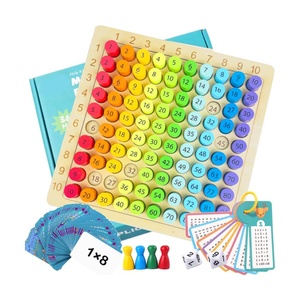
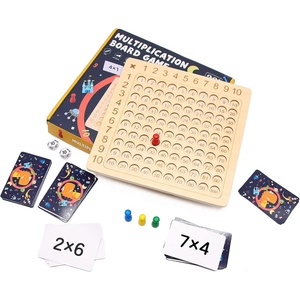
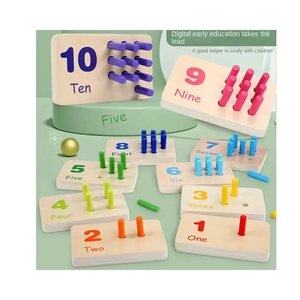
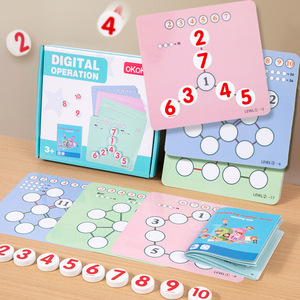
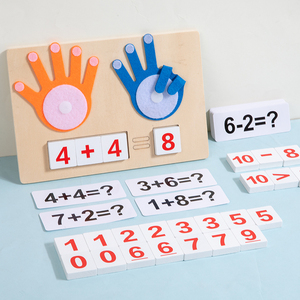
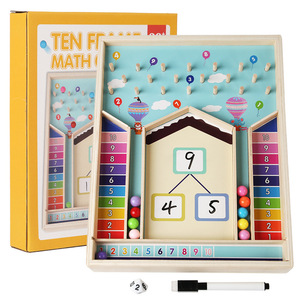
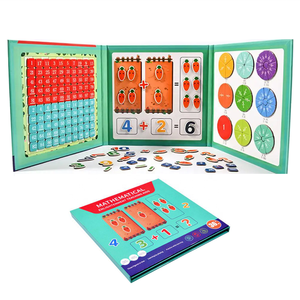
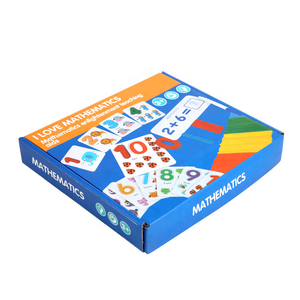
No dedicated manufacturing clusters currently exist for educational products specifically focused on "adding subtracting decimals" as a standalone category. Unlike industrial machinery or consumer electronics, this product type falls under the broader segment of educational materials and teaching aids, typically produced by general stationery, classroom resource, or learning supplement manufacturers. As such, production is decentralized, with suppliers often operating within mixed-product facilities in regions known for educational goods and printing industries—particularly in Zhejiang, Guangdong, and Jiangsu provinces in China.
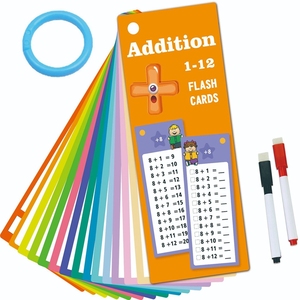
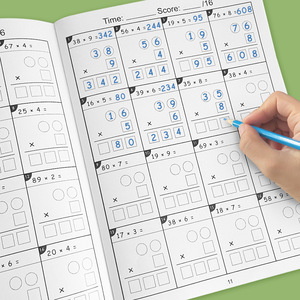
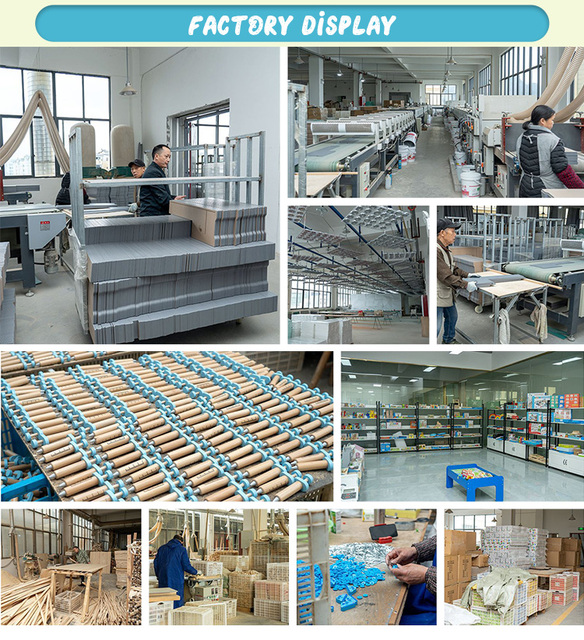
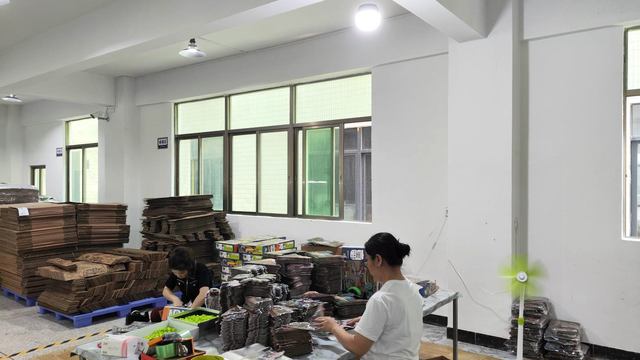
These regions host integrated supply chains for paper processing, laminating, printing, and packaging, enabling cost-efficient production of workbook sheets, flashcards, and activity-based math tools. Facilities in Yiwu (Zhejiang) and Dongguan (Guangdong) commonly support low-to-mid volume runs of decimal operation worksheets, often bundled into larger STEM education kits. Lead times for standard print materials average 15–25 days, with unit costs influenced by paper grade, lamination, and color fidelity requirements. Localization advantages include access to ISO-certified printing houses and digital prepress systems that reduce setup time by 30–40% compared to Western-based printers.
How to Choose Adding Subtracting Decimals Suppliers?
Given the absence of specialized producers, procurement focus should shift toward evaluating suppliers’ experience in educational content reproduction and quality consistency in printed learning aids.
Quality Management Systems
Prioritize suppliers with ISO 9001 certification to ensure standardized workflows in design validation, print accuracy, and batch consistency. For markets requiring environmental compliance, confirm RoHS and FSC certifications—especially when sourcing recycled paper-based materials or non-toxic inks.
Production Capability Assessment
Evaluate operational scope through verifiable metrics:
- Minimum monthly output capacity of 50,000 units for printed sheets or cards
- In-house graphic design and layout verification teams to prevent arithmetic errors
- Digital offset or high-speed lithographic printing capabilities with color calibration
Cross-reference sample outputs with customer feedback on legibility, alignment, and durability—particularly for laminated or reusable formats.
Transaction and Content Safeguards
Require proof of content accuracy review processes before mass production. Insist on pre-shipment samples verified against original mathematical templates to eliminate calculation discrepancies. Utilize third-party inspection services for bulk orders, especially when sourcing private-label versions. Confirm packaging specifications meet moisture and crease resistance standards for international shipping.
What Are the Best Adding Subtracting Decimals Suppliers?
No supplier data is available for entities exclusively producing “adding subtracting decimals” materials. The current market landscape consists of diversified educational product manufacturers who include decimal operation exercises as components within broader math curriculum portfolios. As such, performance benchmarking cannot be conducted based on facility size, delivery rate, or reorder metrics specific to this niche.
Market Observations
Leading educational material producers in Eastern China demonstrate strong responsiveness (average reply time under 4 hours) and high customization flexibility, accommodating grade-specific formatting, language localization, and curriculum alignment (e.g., Common Core, Cambridge Primary). However, minimum order quantities (MOQs) vary significantly—from 500 units for digital print-on-demand services to 10,000+ units for offset-printed workbooks. Buyers seeking error-free, pedagogically sound content should prioritize vendors with documented collaboration history with schools or educational publishers.
FAQs
How to verify adding subtracting decimals supplier reliability?
Audit suppliers for documented quality control procedures in content proofing and print accuracy. Request references from institutional clients or sample approvals from past education sector projects. Validate compliance certificates through official registries and conduct virtual factory tours to assess workflow organization.
What is the average sampling timeline?
Standard sample production takes 7–14 days, depending on complexity. Digitally printed single-page sheets ship faster (5–7 days), while multi-sheet booklets with binding require up to 18 days. Add 5–10 days for international air freight.
Can suppliers ship adding subtracting decimals materials worldwide?
Yes, most established educational product manufacturers support global distribution via express courier or sea freight. Confirm Incoterms (FOB, CIF) during quotation and verify whether packaging complies with phytosanitary regulations for paper goods in destination markets.
Do manufacturers provide free samples?
Sample policies differ by order scale. Suppliers may waive fees for qualified buyers committing to MOQ fulfillment. Otherwise, expect to cover material and shipping costs, typically ranging from $15–$50 per sample pack.
How to initiate customization requests?
Submit detailed specifications including grade level, problem range (e.g., tenths vs. hundredths), layout preferences (vertical/horizontal), and answer key inclusion. Reputable vendors will return draft proofs within 48–72 hours and begin tooling upon approval.





