Aes 256 Encryption





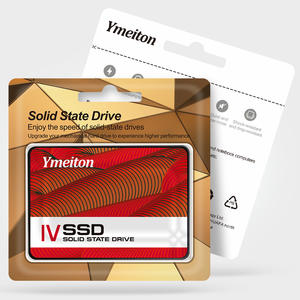


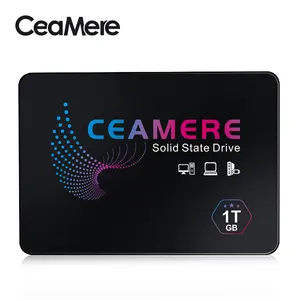
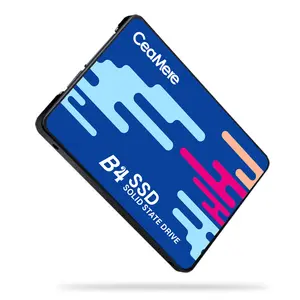



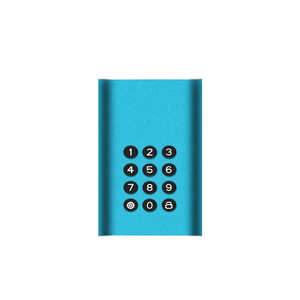

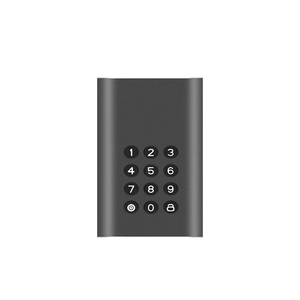


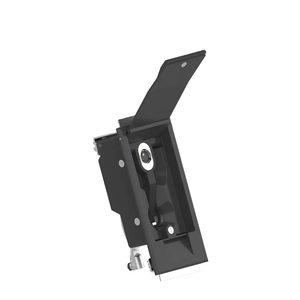















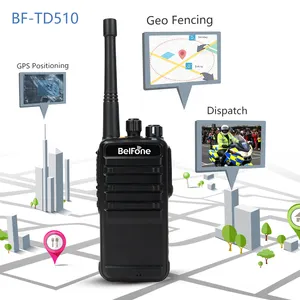


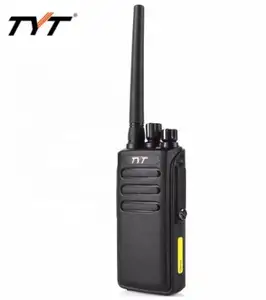


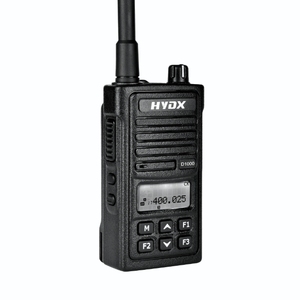


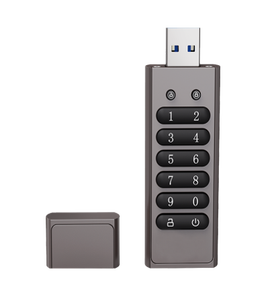












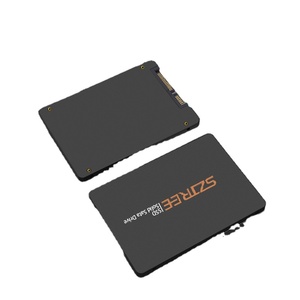


About aes 256 encryption
Where to Find AES 256 Encryption Product Suppliers?
Manufacturers offering products with AES-256 encryption are primarily concentrated in China’s Pearl River Delta region, particularly Shenzhen, a global hub for electronics design and manufacturing. This industrial ecosystem supports rapid prototyping, scalable production, and integration of advanced security features into storage and communication devices. The area hosts thousands of specialized electronics OEMs with access to semiconductor suppliers, firmware developers, and compliance testing facilities within a 50km radius.
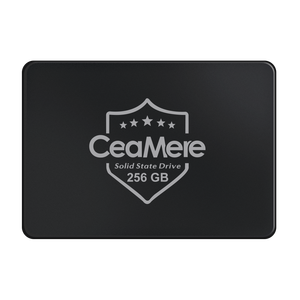
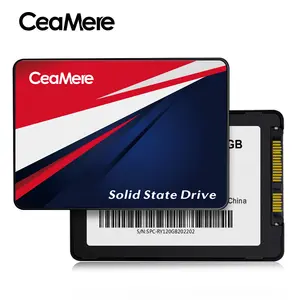
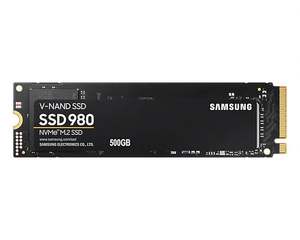
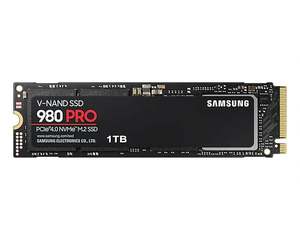
These suppliers leverage vertically integrated supply chains to deliver encrypted storage solutions—including SSDs, USB drives, and external hard drive enclosures—with embedded AES-256 hardware encryption. Production advantages include modular design platforms that allow quick adaptation of encryption modules, secure boot protocols, and tamper-resistant firmware. Lead times for standard orders typically range from 15–30 days, with cost efficiencies of 20–35% compared to equivalent Western manufacturers due to localized component sourcing and mature assembly infrastructure.
How to Choose AES 256 Encryption Product Suppliers?
Selecting reliable partners requires rigorous evaluation across technical, operational, and transactional dimensions:
Technical Compliance & Security Validation
Verify implementation of FIPS 140-2 or Common Criteria EAL4+ certified encryption modules where applicable. For data storage devices, confirm that AES-256 encryption is hardware-based (not software-only), ensuring resistance to brute-force and side-channel attacks. Request documentation on key management architecture, including whether keys are generated on-device and if self-destruct mechanisms exist after failed access attempts.
Production Capability Assessment
Evaluate supplier infrastructure using the following benchmarks:
- Minimum 3 years in secure electronics manufacturing
- In-house R&D team capable of custom firmware development
- Integration of automated testing for encryption integrity and data throughput
- Facility size exceeding 1,000m² indicating scalability
Cross-reference online revenue indicators and on-time delivery rates (>95% recommended) to assess reliability and fulfillment capacity.
Transaction Safeguards and Quality Assurance
Prioritize suppliers with verifiable order histories and third-party transaction protection mechanisms. Conduct sample testing to validate encryption performance using tools like VeraCrypt or specialized cryptographic analyzers. Assess build quality, thermal stability under sustained read/write loads, and password recovery policies. Confirm RoHS and CE compliance for EU market entry, and FCC certification for North American distribution.
What Are the Best AES 256 Encryption Product Suppliers?
| Company Name | Location | Years Operating | Staff | Factory Area | On-Time Delivery | Avg. Response | Online Revenue | Reorder Rate |
|---|---|---|---|---|---|---|---|---|
| Shenzhen Smare Technology Co., Ltd | Shenzhen, CN | Est. 5+ | 20+ | 1,200+m² | 95% | ≤9h | US $160,000+ | 36% |
| Shenzhen Ksy Co., Ltd. | Shenzhen, CN | Est. 5+ | 15+ | 800+m² | 100% | ≤4h | US $10,000+ | <15% |
| Shenzhen Tencenta Electronic Co., Ltd. | Shenzhen, CN | Est. 5+ | 25+ | 1,000+m² | 100% | ≤1h | US $50,000+ | - |
| AsuraGuard LLC | Shenzhen, CN | Est. 5+ | 30+ | 1,500+m² | - | ≤10h | - | - |
| Qixiang Electron Science & Technology Co., Ltd. | Shenzhen, CN | Est. 5+ | 40+ | 1,300+m² | 100% | ≤13h | US $40,000+ | 44% |
Performance Analysis
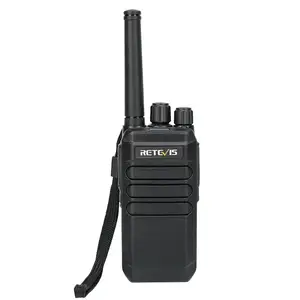
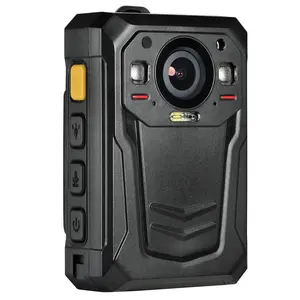
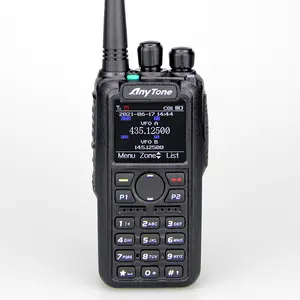
Shenzhen-based suppliers dominate responsiveness and technical agility, with three achieving sub-5-hour average response times. Qixiang Electron Science & Technology stands out with a 44% reorder rate, indicating strong customer retention likely driven by customization depth in radio communications with AES-256 and ARC4 encryption. Shenzhen Tencenta offers the fastest response (≤1h) and focuses on secure USB flash drives and SSDs, while AsuraGuard LLC specializes in high-value, low-volume applications such as government-compliant patrol systems and smart locks with anti-prying features. Buyers seeking bulk encrypted storage should prioritize Smare and Ksy for competitive pricing ($7–115/unit) and MOQs starting at 1 piece. For niche, high-security applications, AsuraGuard provides differentiated engineering despite limited public performance metrics.
FAQs
How to verify AES 256 encryption implementation in sourced products?
Request technical schematics showing encryption chipsets (e.g., Trusted Platform Module or dedicated crypto-controller). Conduct independent lab testing using known plaintext-ciphertext pairs to validate round-key operations. Firmware audits can confirm absence of backdoors or weak RNG (random number generation).
What is the typical minimum order quantity (MOQ) for encrypted devices?
MOQs vary by product type: USB drives and SSDs start as low as 1–5 pieces for standard models, while customized units (with logo, packaging, or firmware changes) require 100+ units. Smart locks and encrypted radios often have MOQs of 50–100 sets.
Can suppliers customize encryption parameters or user authentication?
Yes, leading suppliers offer configurable authentication methods (PIN, biometrics, multi-factor), customizable lockout policies, and branding options. Some support integration with enterprise key management systems upon request.
Do these manufacturers support global shipping and compliance?
Most suppliers export globally and provide necessary documentation for customs clearance. Confirm compliance with regional regulations—such as GDPR for data handling in Europe or BIS licensing requirements for cryptographic exports from China.
Are samples available for technical evaluation?
Sample availability depends on product value. Low-cost items (e.g., USB drives) may be provided at reduced cost or free with purchase intent. High-end units (e.g., encrypted radios or smart locks) typically require full payment for samples, which can later be credited toward bulk orders.





