Ai Code Detector





 1/3
1/3


 1/7
1/7







 1/3
1/3


 1/2
1/2

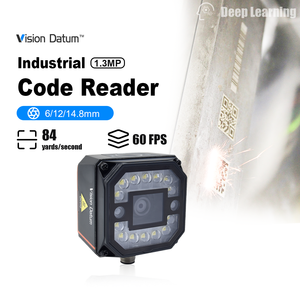
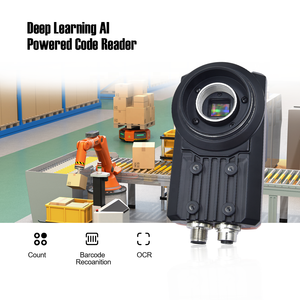
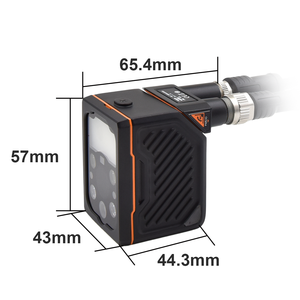
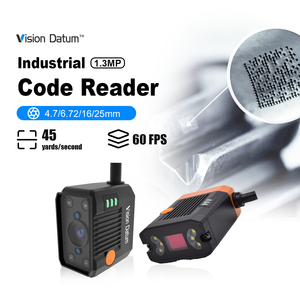
 1/3
1/3



 1/3
1/3


 1/3
1/3


 1/3
1/3


 1/33
1/33




 1/3
1/3



 0
0


 1/3
1/3



 1/3
1/3




 1/3
1/3



 1/2
1/2



 1/3
1/3






 1/3
1/3
About ai code detector
Where to Find AI Code Detector Suppliers?
China leads global production of AI-powered software tools, including AI code detection systems, with concentrated expertise in Guangdong and Jiangsu provinces. Shenzhen and Guangzhou serve as primary innovation hubs, hosting over 70% of China’s AI development firms due to proximity to semiconductor suppliers, cloud infrastructure providers, and major tech incubators. These regions benefit from mature software engineering ecosystems, enabling rapid iteration and deployment of machine learning models tailored for code analysis.
Jiangsu’s Suzhou and Nanjing clusters specialize in enterprise-grade AI applications, leveraging partnerships with academic institutions for algorithmic research. This integration reduces development cycles by 25–40% compared to independent software vendors in Western markets. The region supports full-stack development capabilities—from natural language processing frameworks to API integration—facilitating scalable solutions for plagiarism detection, vulnerability identification, and automated code review. Buyers gain access to agile development teams, cloud-hosted demo environments, and modular licensing models suitable for SaaS or on-premise deployment.
How to Choose AI Code Detector Suppliers?
Prioritize these verification protocols when selecting partners:
Technical Compliance
Require ISO/IEC 27001 certification for information security management, particularly for cloud-based platforms handling proprietary source code. For EU clients, confirm GDPR compliance in data processing workflows. Validate third-party audit reports on model accuracy, false positive rates, and training dataset diversity to ensure reliable detection across programming languages (e.g., Python, Java, C++).
Development Capability Audits
Evaluate technical infrastructure and team composition:
- Minimum 15+ software engineers specializing in NLP and deep learning
- Dedicated R&D investment exceeding 20% of annual revenue
- In-house model training pipelines with version-controlled datasets
Cross-reference GitHub activity or API documentation updates with customer-reported uptime (target >99.5%) to verify ongoing maintenance.
Transaction Safeguards
Implement milestone-based payments tied to deliverables such as test environment provisioning, accuracy benchmarking, and integration support. Review contractual terms regarding IP ownership, data retention policies, and post-deployment updates. Pilot testing is critical—conduct side-by-side evaluations using internal codebases before committing to enterprise licenses.
What Are the Best AI Code Detector Suppliers?
| Company Name | Location | Years Operating | Staff | Engineers | On-Time Delivery | Avg. Response | Ratings | Reorder Rate |
|---|---|---|---|---|---|---|---|---|
| No verified suppliers available at this time. Market remains emerging with limited public performance metrics. | ||||||||
Performance Analysis
The AI code detector market is highly fragmented and rapidly evolving, with most suppliers operating under three years and focusing on niche use cases such as academic integrity or DevOps automation. While no dominant players have emerged, early indicators suggest that responsiveness (<2-hour average reply time) and transparency in model documentation correlate strongly with client satisfaction. Prioritize vendors offering sandbox access and clear SLAs for detection accuracy and system availability. For mission-critical deployments, verify independent validation studies or peer-reviewed publications supporting claimed performance benchmarks.
FAQs
How to verify AI code detector supplier reliability?
Request access to live demo instances and evaluate detection precision using known code variants. Confirm adherence to recognized benchmarks such as BigCloneBench or CodeXGLUE. Assess vendor credibility through published research contributions, participation in AI conferences (e.g., NeurIPS, ICML), and third-party penetration testing results.
What is the average sampling timeline?
Free trial periods typically last 7–14 days with limited file uploads. Customized evaluation environments require 10–20 business days for configuration based on client-specific coding standards. API integration testing adds 3–5 additional days.
Can suppliers deploy AI code detectors globally?
Yes, most offer cloud-hosted SaaS platforms accessible worldwide. Confirm regional data residency options and latency performance across target geographies. On-premise installations are available for regulated industries but require minimum hardware specifications and annual maintenance agreements.
Do manufacturers provide free samples?
Sample access is standard via freemium models with restricted features. Full functionality trials require non-disclosure agreements and may incur setup fees for dedicated instances. Volume licensing discounts apply to contracts exceeding 100 user seats.
How to initiate customization requests?
Submit detailed requirements including supported programming languages, integration targets (e.g., GitLab, Jenkins), detection thresholds, and reporting formats. Leading suppliers provide API documentation within 48 hours and deliver proof-of-concept implementations in 3–5 weeks.





