Bar Soap Cutting Machine Producer







 Top sponsor listing


 1/3
1/3

 1/2
1/2



 1/3
1/3


 1/14
1/14


 1/3
1/3


 1/3
1/3




 1/3
1/3


 1/3
1/3




 1/3
1/3


 1/3
1/3

 1/17
1/17




 1/3
1/3


 1/3
1/3

 CN
CN



 1/25
1/25




 1/26
1/26



 1/3
1/3


 1/3
1/3




About bar soap cutting machine producer
Where to Find Bar Soap Cutting Machine Producers?
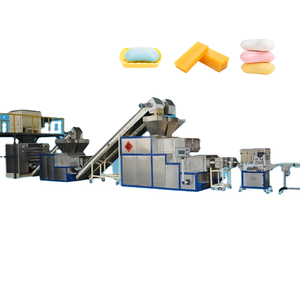
China remains the central hub for bar soap cutting machine manufacturing, with concentrated production clusters in Zhejiang and Jiangsu provinces driving innovation and cost efficiency. Zhejiang’s Ningbo and Wenzhou regions host over 70% of China’s industrial-grade soap processing equipment suppliers, supported by advanced metalworking infrastructure and proximity to major port facilities that streamline export logistics. Jiangsu’s Changzhou and Suzhou zones specialize in precision-engineered automated systems, leveraging local expertise in food-safe stainless steel fabrication and servo-driven motion control.
These industrial ecosystems benefit from vertically integrated supply chains—encompassing CNC machining, tooling design, and hygienic material handling components—enabling rapid prototyping and scalable production. Suppliers within these clusters typically operate within tightly coordinated networks where raw material sourcing, component manufacturing, and final assembly occur within a 60km radius. This localization reduces lead times to 25–40 days for standard configurations and supports 15–25% lower unit costs compared to European or North American manufacturers. Buyers also gain flexibility in MOQs, with many producers accepting orders as low as 1–2 units for testing, scaling to 50+ units monthly for established clients.
How to Choose Bar Soap Cutting Machine Producers?
Implement structured evaluation criteria to ensure technical reliability and operational compliance:
Quality & Safety Certification
Confirm ISO 9001 certification as a baseline for quality management systems. For markets requiring food-grade equipment, validate adherence to FDA-compliant materials (e.g., AISI 304/316 stainless steel) and surface finish standards (Ra ≤ 0.8μm). CE marking is essential for EU market access, particularly for machines with electrical drives or automation modules.
Production Infrastructure Assessment
Evaluate core manufacturing capabilities through documented evidence:
- Minimum factory footprint of 2,000m² to support dedicated assembly lines
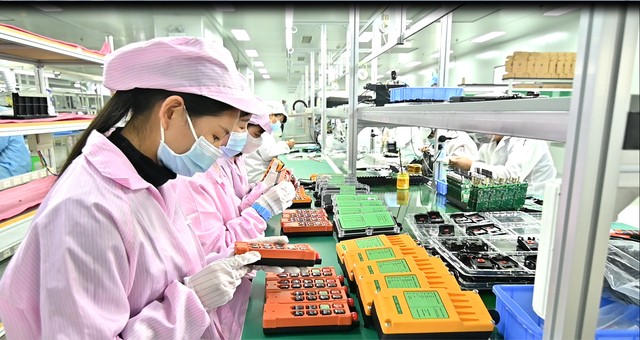
- In-house CNC machining and laser cutting for precision frame construction
- Engineering teams comprising at least 8–12% of total staff for customization and troubleshooting
Correlate facility size with order volume capacity—producers handling 30+ units per month typically maintain dual-shift operations and modular production cells.
Procurement Risk Mitigation
Utilize third-party inspection services prior to shipment to verify dimensional accuracy, blade alignment, and safety interlock functionality. Prefer suppliers offering sample units under paid terms, with clear refund policies upon successful performance validation. Assess responsiveness via average inquiry turnaround time (target: ≤4 hours) and technical documentation availability, including operation manuals, wiring diagrams, and maintenance protocols.
What Are the Best Bar Soap Cutting Machine Producers?
No supplier data is currently available for bar soap cutting machine producers. Market analysis indicates active manufacturing presence in Zhejiang and Jiangsu, but verifiable performance metrics—including factory area, delivery rates, and certification status—are not accessible at this time. Buyers are advised to initiate direct engagement with regional trade associations or attend industry exhibitions such as China International Light Industry Commodities Fair (CIFF) to identify qualified partners.
Performance Analysis
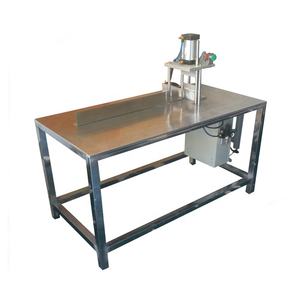
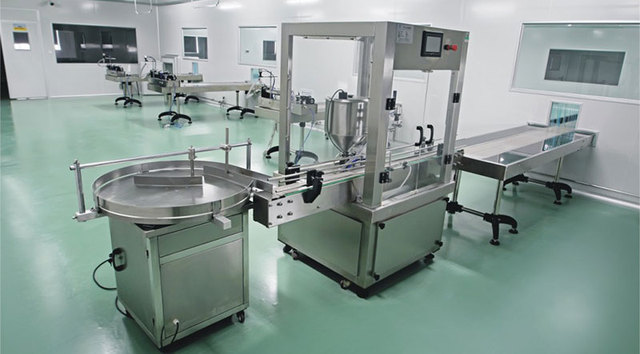
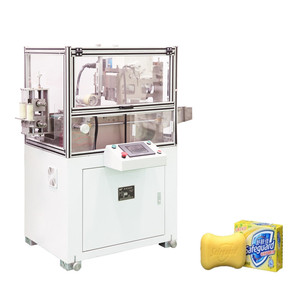
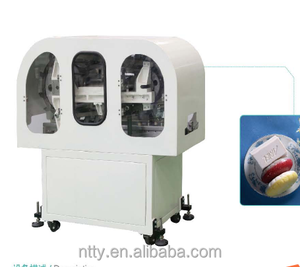
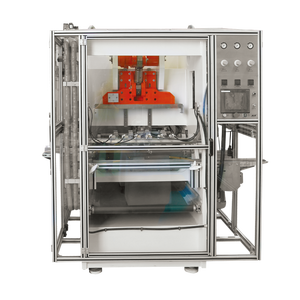
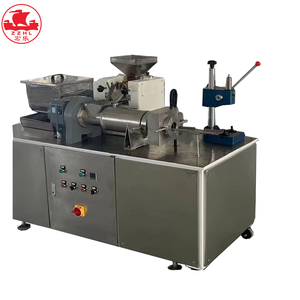
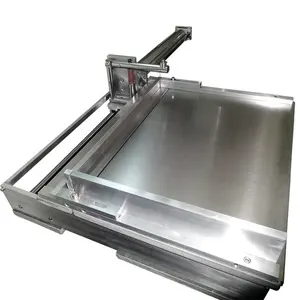
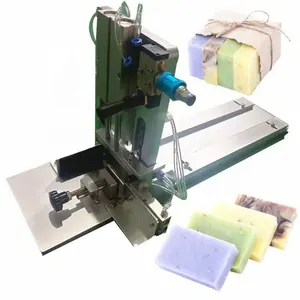
In the absence of published supplier benchmarks, procurement strategies should emphasize on-site or virtual audits to assess production maturity. Prioritize manufacturers demonstrating experience in exporting to regulated markets (EU, USA, Japan), as this often correlates with higher adherence to international safety and hygiene standards. Automated models with adjustable blade spacing (5–100mm), pneumatic pressure control, and washdown-ready enclosures represent current industry benchmarks for high-efficiency soap processing.
FAQs
How to verify bar soap cutting machine producer reliability?
Request copies of valid ISO and CE certificates, cross-referenced with issuing body databases. Obtain references from existing clients in similar production environments. Conduct video audits of welding stations, calibration processes, and final testing procedures to confirm consistency in build quality.
What is the average sampling timeline?
Standard sample production takes 10–20 days, depending on customization level. Fully automated units with programmable logic controllers (PLCs) may require 25–35 days. Air freight shipping adds 5–9 days internationally, depending on destination.
Can producers ship worldwide?
Yes, most established manufacturers offer FOB, CIF, and DAP shipping terms. Confirm inclusion of export packaging, customs documentation, and compliance with IEC 60204-1 for electrical safety in machinery exports. Sea freight is recommended for multi-unit orders to optimize freight costs.
Do manufacturers provide free samples?
Free samples are uncommon due to fabrication complexity. Most producers charge 40–60% of unit cost for sample units, fully refundable upon placement of first bulk order (typically 5+ units). Sample fees may be waived for long-term partnership commitments.
How to initiate customization requests?
Submit detailed specifications including bar dimensions (L×W×H), required cuts per cycle, desired output rate (units/hour), and material type (glycerin, cold process, milled soap). Reputable producers will respond with CAD layouts, load-bearing calculations, and motor specification sheets within 5–7 business days.





