







Calculate Average




 1/3
1/3




 1/3
1/3





 1/3
1/3






 1/11
1/11






 1/3
1/3



 1/3
1/3






 1/3
1/3


 1/30
1/30





 1/3
1/3


 1/3
1/3



 1/3
1/3

 CN
CN





 1/3
1/3




 1/7
1/7



 1/8
1/8





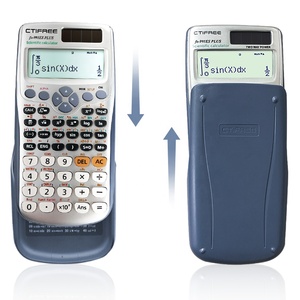
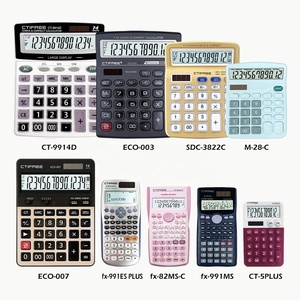




 1/3
1/3









 1/11
1/11



 1/3
1/3
About calculate average
Where to Find Calculate Average Suppliers?
The term "calculate average" refers not to a physical product but to a computational function commonly embedded in software systems, data analytics platforms, or electronic devices with processing capabilities. As such, there are no dedicated manufacturing clusters for “calculate average” as a standalone product. However, suppliers of hardware and software solutions that perform averaging calculations—such as industrial controllers, sensors, data loggers, and embedded computing modules—are concentrated in high-tech manufacturing regions across China, particularly in Guangdong, Jiangsu, and Zhejiang provinces.
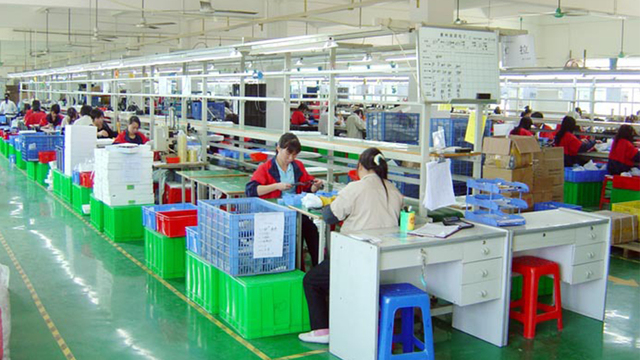
Guangdong’s Shenzhen region serves as a global hub for electronics OEMs and ODMs, offering access to advanced SMT production lines, firmware development teams, and rapid prototyping facilities. These ecosystems support the integration of arithmetic logic units (ALUs) and microcontrollers capable of executing averaging algorithms in real time. Suppliers here benefit from proximity to semiconductor distributors and testing laboratories, reducing component lead times by 20–30% compared to non-specialized regions. Buyers gain access to scalable production environments where firmware programming, calibration, and functional testing occur within vertically integrated facilities.
How to Choose Calculate Average Solution Providers?
Selecting reliable suppliers requires evaluating both technical capability and system-level performance:
Functional Specification Compliance
Define whether the averaging function is required in analog (e.g., signal smoothing via op-amps) or digital form (e.g., algorithmic mean calculation in firmware). Confirm compatibility with input types—voltage, current, temperature, or frequency signals—and verify supported methods: arithmetic mean, moving average, weighted average, or root-mean-square (RMS). Demand documentation of calculation accuracy (±0.1% typical tolerance) and sampling rate (minimum 10 Hz for dynamic inputs).
Quality Management Systems
Prioritize suppliers with ISO 9001 certification for consistent design and production processes. For regulated industries (medical, automotive, aerospace), ensure compliance with IEC 61508 (functional safety) or ISO 13849 (control systems). Verify use of RoHS-compliant components and traceability through batch numbering and BOM records.
Production and Development Infrastructure
Assess key indicators of operational maturity:
- Minimum 2,000m² facility with ESD-protected assembly zones
- In-house firmware development team (minimum 5 engineers)
- Automated test benches for algorithm validation under variable load conditions
Cross-reference delivery performance (target on-time rate >95%) with customer feedback on firmware stability and update support.
Transaction and Intellectual Property Safeguards
Require secure code delivery protocols if custom algorithms are developed. Use third-party escrow services for firmware source code release upon fulfillment. Conduct sample testing using calibrated signal generators to validate averaging precision across multiple cycles before scaling procurement.
What Are the Best Calculate Average Solution Suppliers?
No specific supplier data is available for entities providing “calculate average” as an isolated service. The functionality is typically part of broader electronic control systems, embedded in products such as programmable logic controllers (PLCs), data acquisition modules, or IoT gateways. Leading suppliers in this domain include manufacturers of industrial automation equipment, many based in China's Pearl River Delta, with proven export experience to EU, North America, and Southeast Asia markets.
Performance Analysis
While no direct rankings exist, established electronics manufacturers demonstrate higher reliability through certified quality systems, documented R&D investment, and verifiable transaction histories. Buyers should prioritize partners who offer transparent firmware architecture, configurable averaging parameters (window size, filter type), and API access for integration into larger monitoring systems. For mission-critical applications, confirm redundancy features and fail-safe behavior during input anomalies.
FAQs
How to verify calculate average functionality in a device?
Submit known input patterns (e.g., steady-state signal, step change, sinusoidal wave) and compare output against theoretical average values. Use oscilloscopes or data logging tools to assess response latency and numerical precision. Request firmware datasheets detailing algorithm implementation and buffer management.
What is the average lead time for customized control modules with averaging functions?
Standard configurations ship within 15–25 days. Custom firmware development extends timelines by 10–20 days, depending on complexity. Add 7–14 days for international air freight or 25–40 days for sea transport.
Can suppliers integrate averaging functions into existing hardware designs?
Yes, many electronics manufacturers offer design-in services. Provide schematic requirements, processor constraints, and communication protocols (e.g., Modbus, I2C). Suppliers typically return feasibility assessments within 5 business days.
Do manufacturers provide SDKs or configuration tools for algorithm tuning?
Reputable suppliers supply configuration software or libraries enabling end-users to adjust averaging modes, sampling intervals, and output formatting. Some offer cloud-based dashboards for remote monitoring and recalibration.
What are typical MOQs for electronic modules with built-in averaging?
MOQ varies by supplier scale: large factories require 500+ units for full customization, while mid-sized firms accept 50–100 units with minor NRE fees. Sample orders (1–5 units) are generally available at premium pricing.





