Cheap Portable Ice Cube Maker Machine





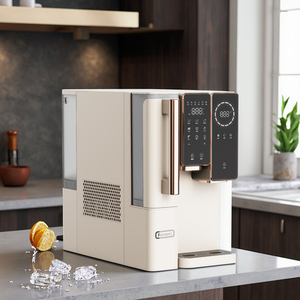

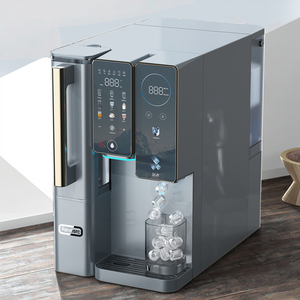
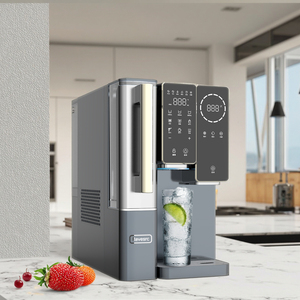
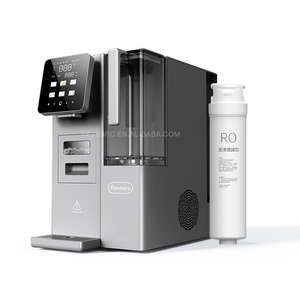
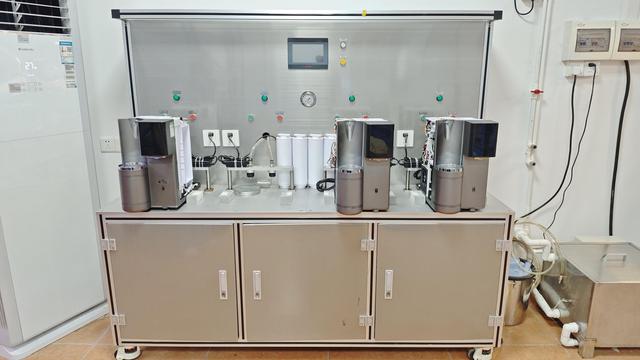

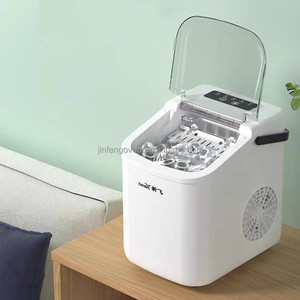
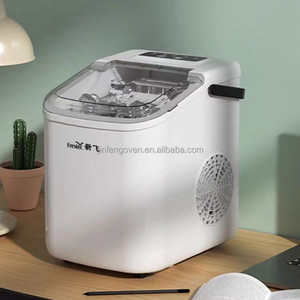
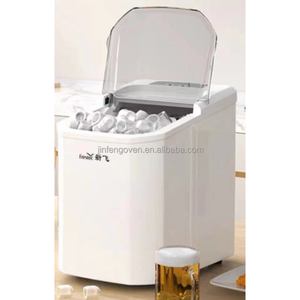
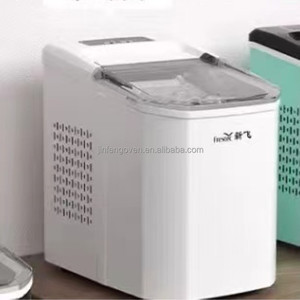


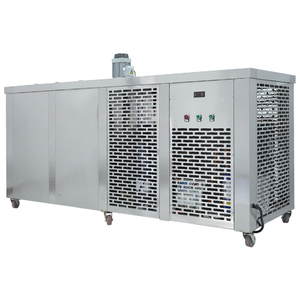
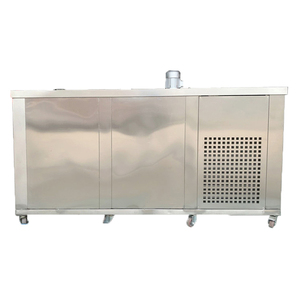

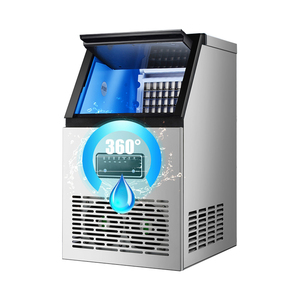
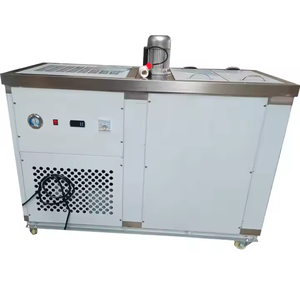



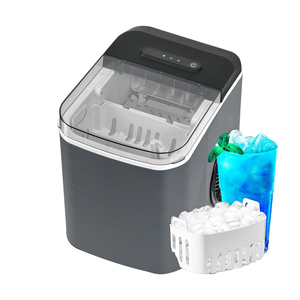


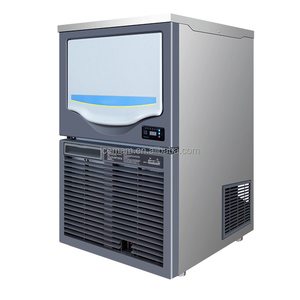

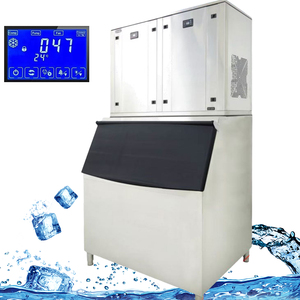
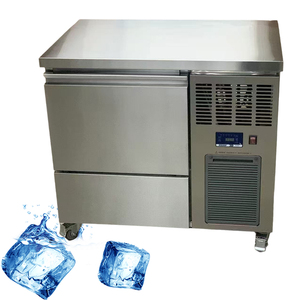


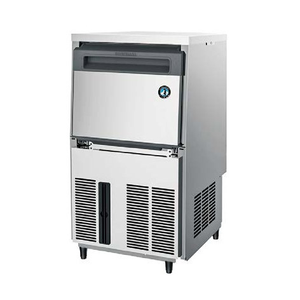
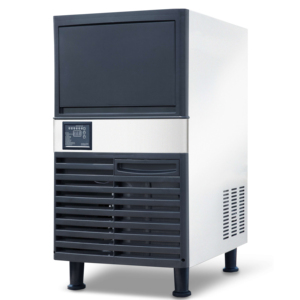
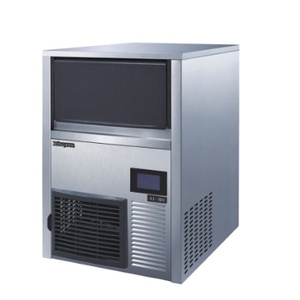
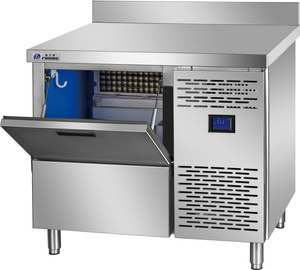
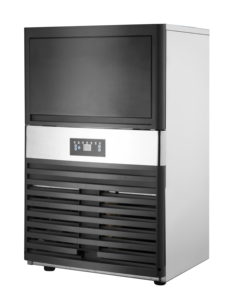


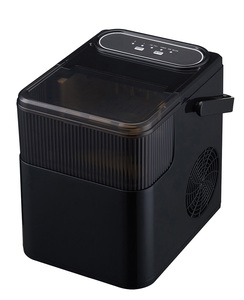
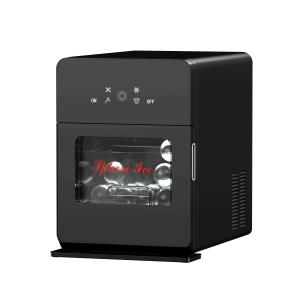
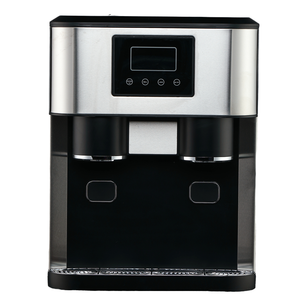

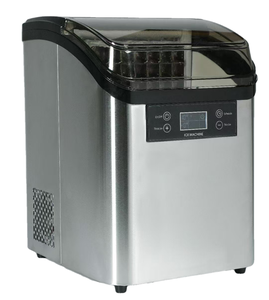


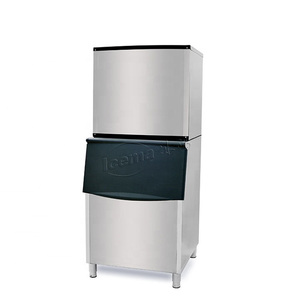
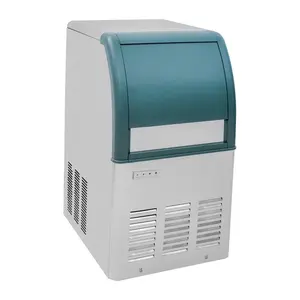
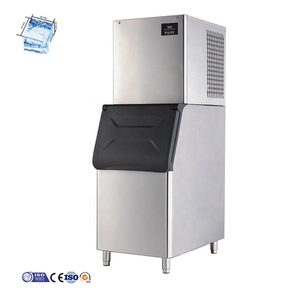
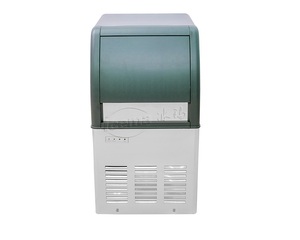


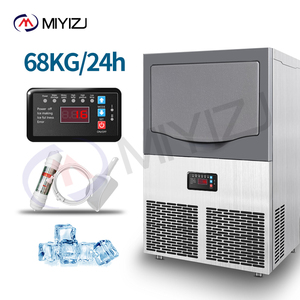


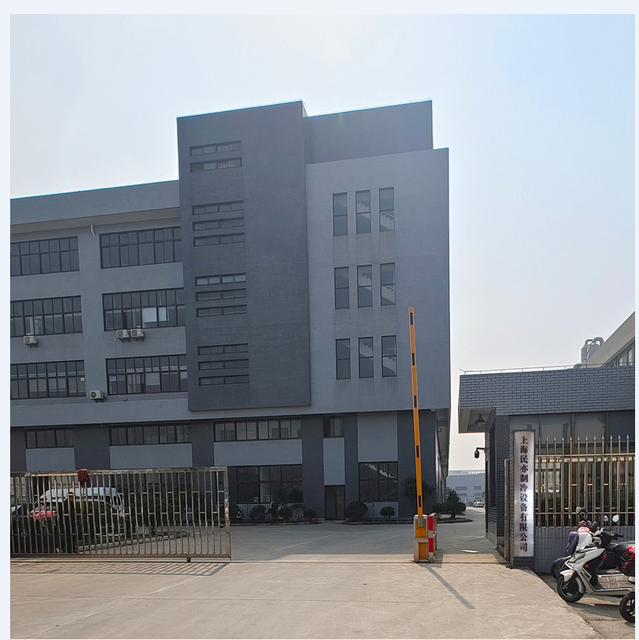

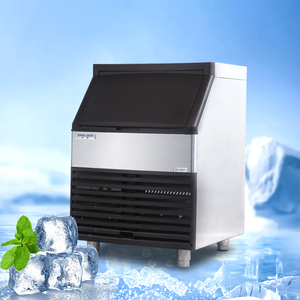

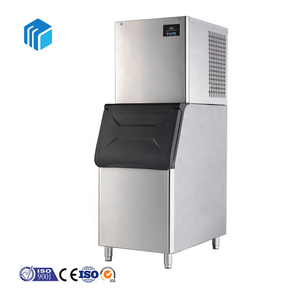



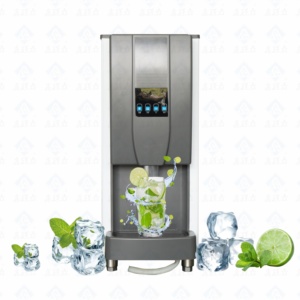
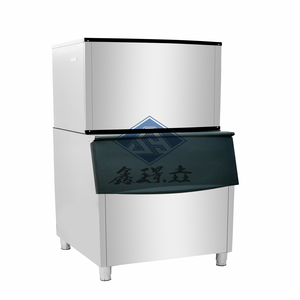

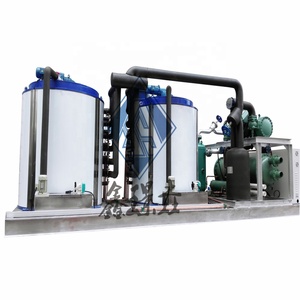

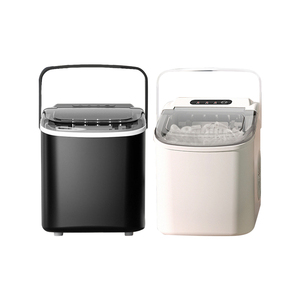
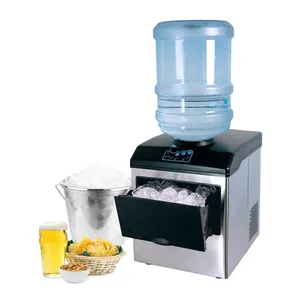
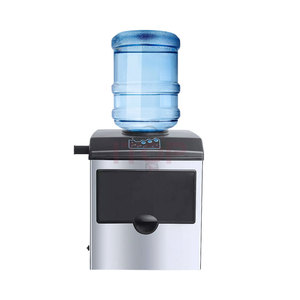
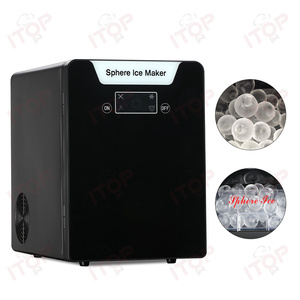
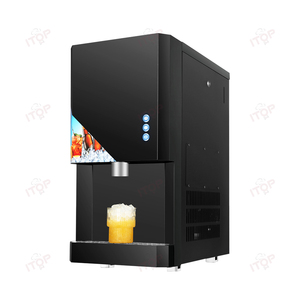
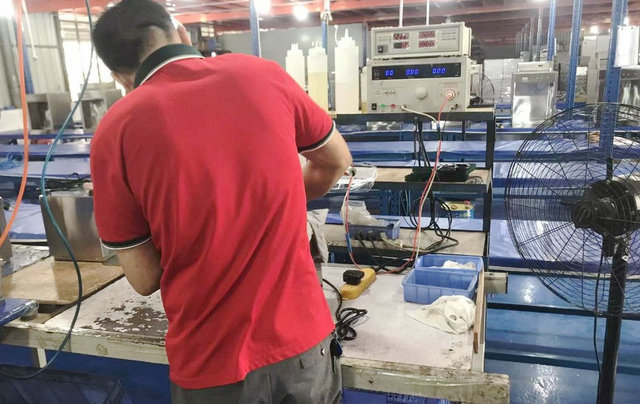

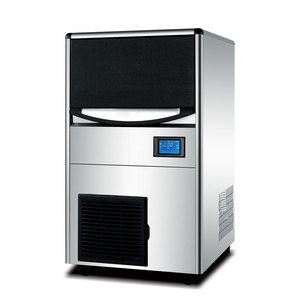

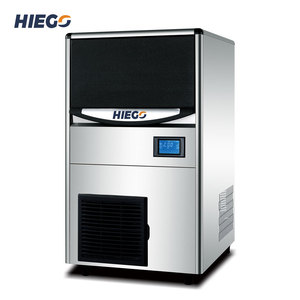


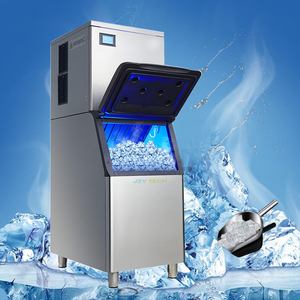


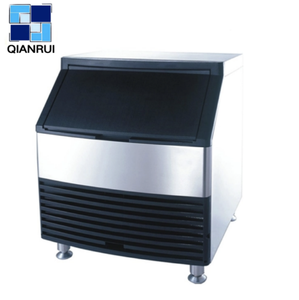

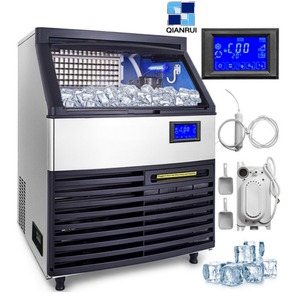
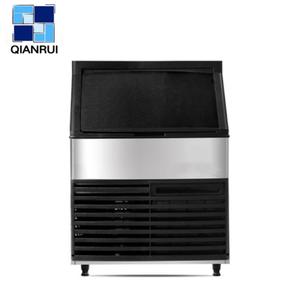
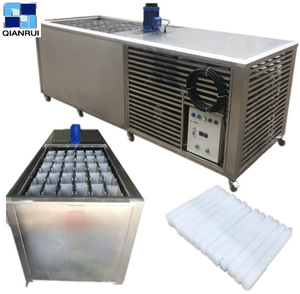


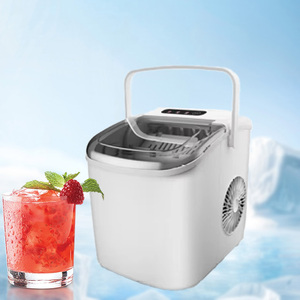
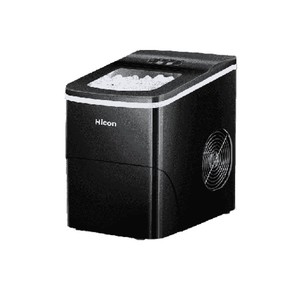


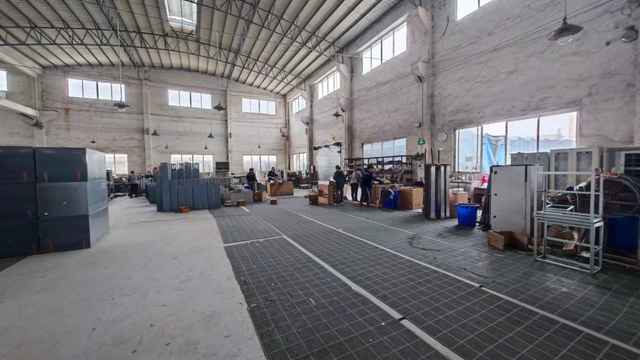

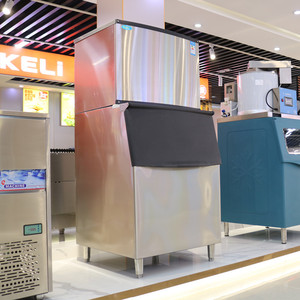
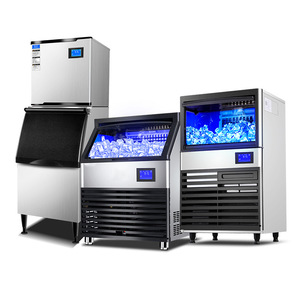
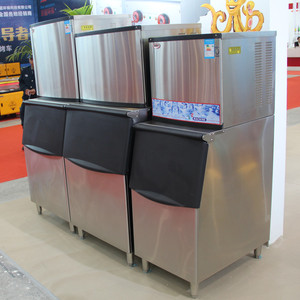

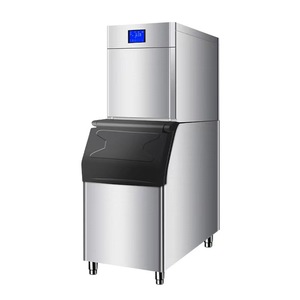
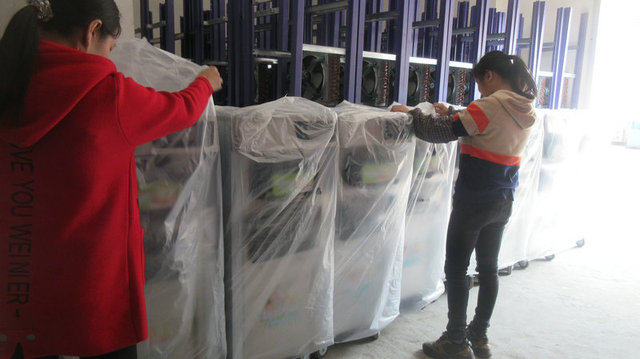


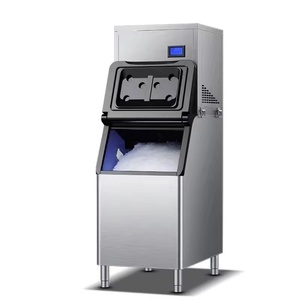


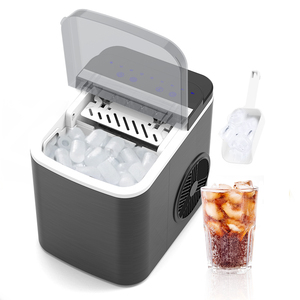

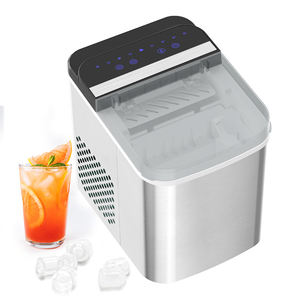

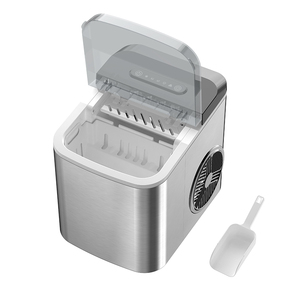


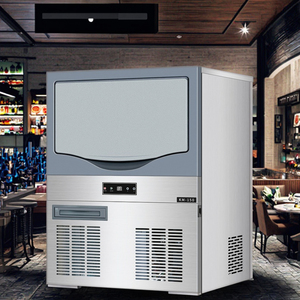
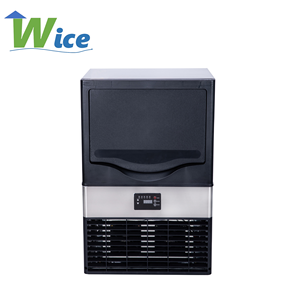
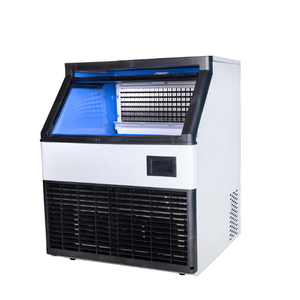
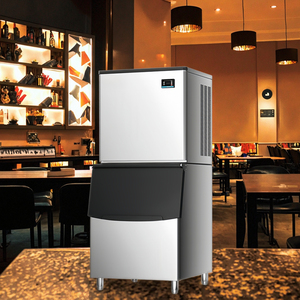
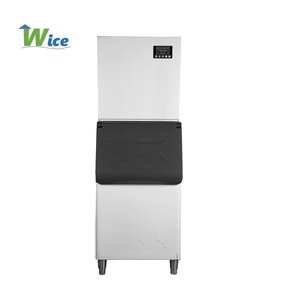


About cheap portable ice cube maker machine
Where to Find Cheap Portable Ice Cube Maker Machine Suppliers?
China remains the global epicenter for manufacturing compact refrigeration equipment, with key production clusters in Guangdong, Henan, and Hubei provinces. Guangzhou and Wuhan serve as primary hubs for small-scale ice-making appliances, offering vertically integrated supply chains that combine injection molding, compressor assembly, and electronic control integration under one ecosystem. These regions benefit from proximity to component suppliers—such as evaporator coils, condensers, and food-grade plastic manufacturers—reducing material lead times by 20–30% compared to offshore alternatives.
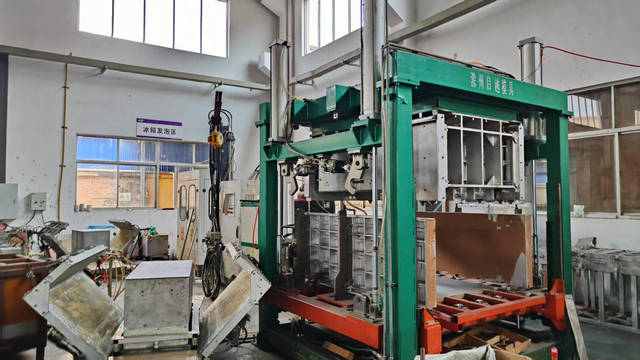
The industrial concentration enables cost-efficient production of portable ice makers, particularly for units under 50kg/day capacity. Factories leverage standardized modular designs and automated testing lines to maintain output consistency while supporting bulk orders. Buyers gain access to scalable production networks capable of fulfilling MOQs ranging from single units to container-sized shipments within 15–30 days. The localized availability of labor, tooling, and logistics infrastructure supports a 25–40% cost advantage over equivalent OEM production in Southeast Asia or Eastern Europe.
How to Choose Cheap Portable Ice Cube Maker Machine Suppliers?
Selecting reliable suppliers requires rigorous evaluation across technical, operational, and transactional dimensions:
Technical Specifications & Compliance
Verify adherence to international safety and performance standards, including CE, RoHS, and UL certifications where applicable. Demand documentation for compressor efficiency (COP ≥2.8), energy consumption (typically 0.8–1.2 kWh/kg), and noise levels (≤45 dB). Confirm use of food-safe ABS or PP for internal water pathways and corrosion-resistant materials for evaporator plates.
Production Capacity Assessment
Evaluate supplier infrastructure based on the following benchmarks:
- Minimum monthly output capacity exceeding 1,000 units for stable supply
- In-house capabilities in injection molding, sheet metal fabrication, and final assembly
- Presence of environmental test chambers for cycle durability and thermal performance validation
Cross-reference claimed production volume with on-time delivery rates; prioritize partners maintaining ≥95% fulfillment punctuality.
Procurement Terms & Risk Mitigation
Assess minimum order quantities (MOQs), which range from 1 set to 200 pieces depending on model complexity. For low-volume trials, confirm sample availability at 1.5x unit price with lead times of 7–14 days. Utilize secure payment mechanisms such as escrow services, and request pre-shipment inspection reports (PSI) covering electrical safety, ice yield accuracy, and structural integrity. Customization options—including voltage (110V/220V), plug type, color, and branding—should be documented in writing before production commencement.
What Are the Best Cheap Portable Ice Cube Maker Machine Suppliers?
| Company Name | Location | Online Revenue | On-Time Delivery | Response Time | Reorder Rate | Min. Order | Price Range (USD) | Customization |
|---|---|---|---|---|---|---|---|---|
| Guangzhou Jinfeng Catering Equipment Co., Ltd. | Guangdong, CN | US $100,000+ | 95% | ≤2h | 19% | 1 set | $45–53 | No |
| Xiamen Sunford Industry Trade Co., Ltd. | Fujian, CN | US $290,000+ | 100% | ≤5h | <15% | 200 pieces | $33.90–41.88 | Yes |
| Wuhan Revesrc Technology Co., Ltd. | Hubei, CN | US $60,000+ | 92% | ≤4h | 16% | 50 pieces | $265–365 | Yes |
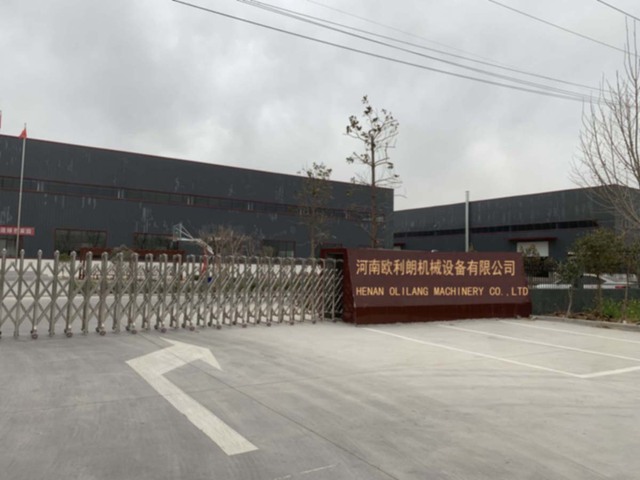
| Henan Olilang Machinery Co., Ltd. | Henan, CN | US $40,000+ | 85% | ≤2h | <15% | 1 set | $260–1,400 | No |
| Suzhou Iceman Refrigeration Equipment Co., Ltd. | Jiangsu, CN | US $40,000+ | 50% | ≤4h | 27% | 5 pieces | $269–2,199 | No |
Performance Analysis
Guangzhou Jinfeng stands out for low MOQ flexibility and high responsiveness, making it ideal for pilot orders and retail testing. Xiamen Sunford offers the lowest per-unit pricing with full customization support, though its 200-piece MOQ suits established distributors. Wuhan Revesrc provides mid-tier scalability with robust branding options, suitable for private-label development. Suzhou Iceman shows strong reorder demand but raises concerns due to its 50% on-time delivery rate, indicating potential logistical bottlenecks. Henan Olilang covers a broad price spectrum but lacks customization, limiting differentiation opportunities. Prioritize suppliers with delivery reliability above 90% and verifiable quality control processes for consistent batch performance.
FAQs
How to verify cheap portable ice cube maker machine supplier reliability?
Cross-check certification claims with accredited bodies. Request factory audit reports or video walkthroughs of production lines. Analyze transaction history through verified revenue metrics, response consistency, and customer feedback focused on post-delivery support and defect resolution.
What is the average lead time for production and shipping?
Standard production lead time ranges from 15 to 25 days after deposit confirmation. Air freight adds 5–10 days for international delivery; sea freight takes 25–40 days depending on destination port. Expedited orders may reduce manufacturing time by 3–7 days at additional cost.
Can suppliers customize ice cube shape and size?
Limited customization is available, primarily in bullet, crescent, or square cube molds. Tooling changes require MOQs of 500+ units and incur NRE fees. Confirm compatibility of mold design with existing evaporator plate geometry before approval.
Do manufacturers offer warranty and after-sales service?
Standard warranties range from 12 to 24 months, covering compressor and control board defects. Suppliers typically provide replacement parts for critical components. Remote troubleshooting is common; on-site support is rare unless contracted separately.
How to negotiate better pricing for bulk orders?
Leverage multi-container commitments to secure tiered discounts. Offer extended payment terms or upfront deposits in exchange for lower unit costs. Consolidate SKUs to reduce setup and changeover inefficiencies during production runs.





