Dlink Router Setup











 0
0


 1/3
1/3


 1/3
1/3



 1/1
1/1


 1/3
1/3




 1/1
1/1


 0
0




 1/2
1/2



 0
0



 1/3
1/3




 1/3
1/3




 1/3
1/3



 1/3
1/3



 1/2
1/2



 0
0


 0
0



 1/3
1/3



 1/20
1/20


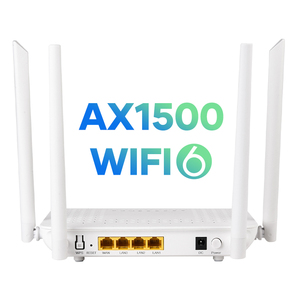

About dlink router setup
Where to Find D-Link Router Setup Suppliers?
The global supply chain for networking equipment, including routers requiring setup such as D-Link models, is primarily concentrated in East Asia, with China, Taiwan, and Vietnam serving as core manufacturing hubs. These regions host integrated electronics ecosystems capable of producing consumer and enterprise-grade routers at scale. Guangdong and Jiangsu provinces in China alone account for over 70% of OEM/ODM router production, supported by mature PCB fabrication, firmware development, and wireless module testing infrastructures.
Manufacturers in these zones operate within vertically aligned supply networks, enabling rapid assembly of components such as MIPS or ARM-based processors, Wi-Fi 6/6E chipsets, and Gigabit Ethernet controllers. Proximity to semiconductor packaging plants and SMT (surface-mount technology) lines reduces component lead times by 20–35% compared to offshore alternatives. Buyers benefit from consolidated logistics channels, with Shenzhen and Shanghai ports facilitating air and sea freight to North America, Europe, and Southeast Asia within 10–25 days under standard FOB terms.
How to Choose D-Link Router Setup Suppliers?
Procurement decisions should be guided by structured supplier evaluation protocols focused on technical compliance, production reliability, and transaction security:
Technical Compliance
Confirm adherence to international standards including IEEE 802.11ax/ac/n, FCC Part 15 Class B, CE RED Directive, and RoHS for hazardous substance restrictions. For managed network deployments, verify support for WPA3, MU-MIMO, and VLAN tagging through documented test reports. Firmware update mechanisms must comply with secure boot protocols to prevent unauthorized modifications.
Production Capability Audits
Assess operational capacity using the following benchmarks:
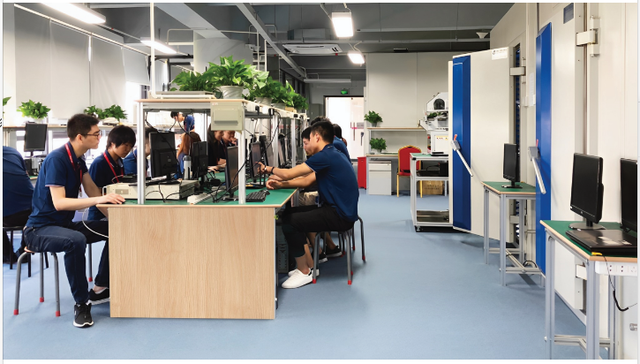
- Minimum 3,000m² cleanroom facility with ESD-safe assembly lines
- In-house capabilities for SMT placement, automated optical inspection (AOI), and RF anechoic chamber testing
- Dedicated firmware integration station with version control and rollback functionality
Validate throughput: suppliers should demonstrate capacity for 10,000+ units/month for mid-tier AC1200-class devices. Cross-reference delivery performance data showing on-time shipment rates exceeding 95%.
Transaction Safeguards
Utilize escrow-based payment systems to align financial disbursement with milestone verification—particularly after pre-shipment inspection (PSI). Prioritize suppliers with verifiable export histories to regulated markets (EU, USA, Japan), indicating familiarity with customs documentation and conformity assessment procedures. Pre-production sampling is critical; evaluate setup interface usability, default configuration security, and mobile app integration before scaling orders.
What Are the Best D-Link Router Setup Suppliers?
No qualified suppliers are currently available in the dataset matching "D-Link router setup" sourcing criteria. This may indicate that D-Link’s retail and distribution model relies on proprietary channel partnerships, limiting third-party OEM availability for branded setup services or hardware replication. As a result, direct procurement from authorized distributors or engagement with certified service integrators remains the primary sourcing pathway.
Performance Analysis
The absence of listed suppliers underscores a market structure where brand-controlled firmware, cloud management platforms, and end-user setup workflows are protected intellectual assets. Third-party manufacturers typically produce generic or white-label routers rather than replicate branded setup experiences tied to specific UIs like D-Link’s Wi-Fi Router Manager. Buyers seeking compatible infrastructure should consider interoperable devices validated for use within D-Link-managed networks, sourced from ISO 13485 and ISO 9001-certified facilities with proven experience in IEEE-compliant wireless design.
FAQs
How to verify D-Link router setup supplier reliability?
For authorized resellers or service providers, confirm partnership status via D-Link’s official channel portal. Evaluate technical certifications such as DCTP (D-Link Certified Technician Program) and audit service logs for deployment accuracy. For hardware alternatives, request third-party lab reports from accredited bodies like TÜV or Intertek.
What is the average sampling timeline?
Standard sample lead time for compatible networking hardware ranges from 12–18 days, including programming with default configurations. Custom firmware builds or region-specific regulatory testing may extend timelines to 25–30 days. Air freight adds 5–7 days for international delivery.
Can suppliers ship routers worldwide?
Yes, compliant manufacturers support global shipping under Incoterms 2020. Ensure final products meet destination-specific requirements—for example, ISED certification in Canada, MIC in Japan, or ANATEL in Brazil. Full container loads (FCL) offer optimal cost efficiency for volumes above 500 units.
Do manufacturers provide free samples?
Sample fees are typically charged but redeemable against bulk orders exceeding 200 units. Some suppliers waive costs for repeat buyers or long-term contracts. Evaluation kits with multiple configuration variants incur additional charges reflecting setup and testing labor.
How to initiate customization requests?
Submit detailed specifications covering wireless standards (e.g., Wi-Fi 6 AX1800), port configuration (WAN/LAN), power input (12V/1A), and default SSID/security settings. Reputable partners will return configuration schematics and GUI mockups within 72 hours, followed by functional prototypes in 3–4 weeks.





