Setting Up Dlink Router




 1/3
1/3

 1/3
1/3


 1/1
1/1

 1/3
1/3





 1/15
1/15




 1/2
1/2



 1/2
1/2


 1/1
1/1




 1/1
1/1




 1/3
1/3


 0
0


 0
0


 1/3
1/3



 1/2
1/2


 0
0






 1/26
1/26


 0
0


 1/3
1/3




 1/2
1/2


 1/1
1/1
About setting up dlink router
Where to Find D-Link Router Suppliers?
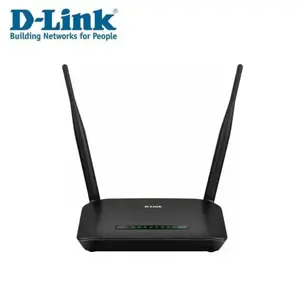
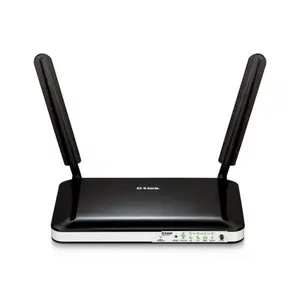
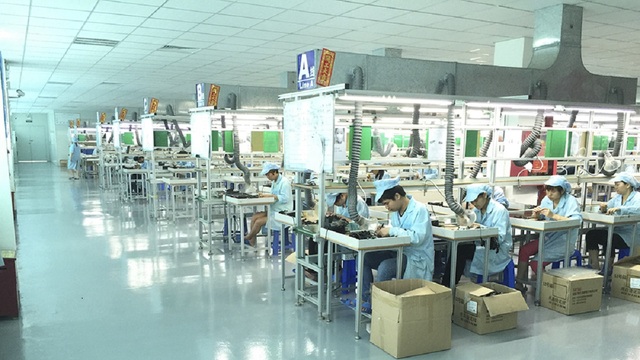
No verified suppliers for D-Link routers are currently available in the dataset. As a branded networking product, D-Link routers are typically manufactured under strict OEM/ODM agreements within East Asia’s electronics manufacturing hubs, particularly in China, Taiwan, and Vietnam. These regions host specialized facilities equipped for high-volume PCB assembly, wireless module integration, and firmware programming, supporting global distribution networks.
Industrial clusters in Guangdong (China) and Hanoi (Vietnam) dominate consumer-grade router production, leveraging mature supply chains for key components such as Qualcomm or MediaTek chipsets, RF amplifiers, and multi-band antennas. Vertical integration enables rapid prototyping and scalable output—facilities often operate SMT lines with 98% automation, achieving monthly production capacities exceeding 500,000 units per site. Proximity to component suppliers reduces material lead times by 20–30% compared to non-specialized regions.
However, due to intellectual property protections and brand control policies, third-party sourcing of genuine D-Link models is highly restricted. Most authorized production is channeled through direct partnerships with D-Link’s procurement division or certified contract manufacturers. Unauthorized resale or rebranding of D-Link hardware raises compliance risks under trademark law and may void regulatory certifications including FCC Part 15 and CE RED.
How to Choose D-Link Router Suppliers?
Procurement strategies must prioritize legal and technical due diligence:
Authorization Verification
Confirm formal distributor status via D-Link Corporation’s regional partner portal. Request documentation of current channel authorization, including SKU-level supply rights and warranty support eligibility. Unauthorized resellers may offer counterfeit or refurbished units not covered under manufacturer service agreements.
Regulatory Compliance
Ensure products carry valid FCC ID, ICES-003, CE RED, and RoHS markings appropriate to target markets. Demand test reports from accredited labs verifying RF performance, electromagnetic compatibility, and safety standards (e.g., UL/IEC 62368-1). Non-compliant units risk seizure at customs or operational interference penalties.
Supply Chain Integrity
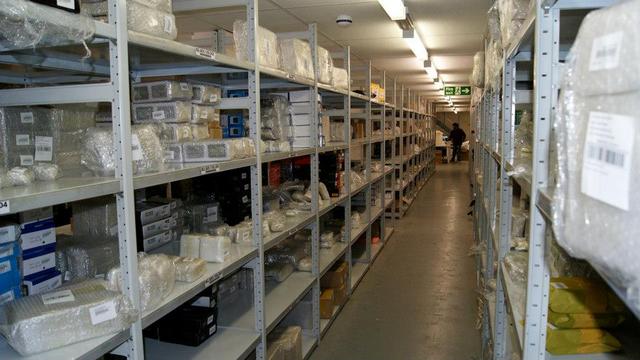
Evaluate logistics transparency: legitimate suppliers provide traceable batch numbers, original packaging, and firmware version logs. Avoid vendors offering "gray market" imports lacking regional firmware localization or power adapter compliance. For volume orders, verify warehouse storage conditions meet ESD protection standards to prevent component degradation.
What Are the Best D-Link Router Suppliers?
No supplier data is available for D-Link router providers in this dataset. Genuine sourcing channels are limited to D-Link’s official distribution network, which includes tier-one electronics distributors and value-added resellers with documented partnership credentials.
Performance Analysis
In absence of public supplier metrics, buyers should rely on D-Link’s authorized partner tiers—Platinum, Gold, and Silver—to assess capability. Higher-tier partners typically demonstrate proven order fulfillment records, technical certification (e.g., DCTS), and access to advanced inventory pooling. Direct engagement with D-Link’s sales offices ensures alignment with warranty terms, software update cycles, and end-of-life product handling protocols.
FAQs
How to verify D-Link router supplier authenticity?
Cross-reference vendor details with D-Link’s official partner directory. Validate purchase invoices showing chain-of-custody from authorized warehouses. Authenticate devices using D-Link’s serial number lookup tool to confirm registration status and original shipment region.
What is the average lead time for D-Link router shipments?
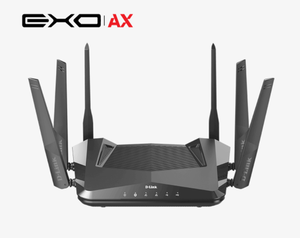
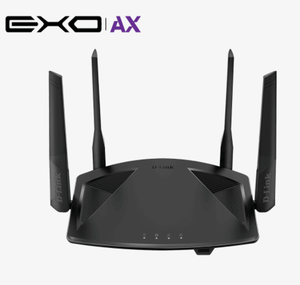
Lead times vary by model availability and region. Standard SKUs from authorized distributors ship within 3–7 business days domestically; international deliveries require 10–20 days via air freight. High-demand models (e.g., EXO series) may face extended wait periods during peak rollout phases.
Can suppliers customize firmware or branding on D-Link routers?
Customization is available only through D-Link’s official ODM program for enterprise or ISP clients. Modifications require NDA-bound development agreements and minimum order commitments. End users cannot legally alter signed firmware images without violating license terms.
Do suppliers offer samples for evaluation?
Sample units are provided selectively to qualified partners for pre-sales demonstration or lab testing. Requests must include use-case justification and technical validation requirements. Sample costs are typically applied toward subsequent bulk orders.
Are refurbished or surplus D-Link routers safe to source?
Refurbished units sold outside D-Link’s certified renewal program lack warranty coverage and may have degraded RF components or outdated security patches. Buyers should insist on full diagnostic reports and re-certification labels if considering secondary-market devices.





