Easy To Build Websites









 0
0




 1/3
1/3

 CN
CN



 1/4
1/4




 1/3
1/3





 1/3
1/3




 1/3
1/3



 1/3
1/3




 1/3
1/3






 1/2
1/2
 CN
CN




 1/3
1/3
 CN
CN



 1/3
1/3





 1/3
1/3
 CN
CN

 1/3
1/3



 1/3
1/3

 0
0





 1/2
1/2






 1/1
1/1



 1/2
1/2






 1/3
CN
1/3
CN

 1/6
1/6
About easy to build websites
Where to Find Easy to Build Websites Suppliers?
The global market for easy-to-build website solutions is primarily driven by digital service providers and software-as-a-service (SaaS) platforms, with no physical manufacturing clusters analogous to industrial machinery. Instead, development and hosting ecosystems are concentrated in technology hubs across North America, Western Europe, and Southeast Asia. The United States accounts for over 40% of high-traffic website builders, supported by robust cloud infrastructure from major data centers in Virginia and California. India and Vietnam have emerged as key outsourcing regions for custom web development, offering cost efficiencies due to lower labor expenses—development rates average $25–$50/hour compared to $100+/hour in the U.S. or Germany.
These digital ecosystems enable rapid deployment through modular design frameworks, drag-and-drop interfaces, and pre-integrated templates. Buyers benefit from scalable architectures that support quick customization and domain integration. Key advantages include reduced time-to-launch (typically 3–7 days for standard sites), 30–50% lower total cost of ownership when leveraging hosted platforms, and access to continuous technical updates without additional engineering overhead. However, unlike tangible goods, supplier evaluation requires assessment of software reliability, cybersecurity protocols, and service-level agreements rather than factory audits.
How to Choose Easy to Build Websites Suppliers?
Prioritize these verification criteria when selecting service providers:
Technical Compliance
Confirm adherence to web standards (HTML5, CSS3, WCAG 2.1 for accessibility) and security certifications such as ISO/IEC 27001 or SOC 2 Type II where applicable. For e-commerce functionality, PCI DSS compliance is mandatory to ensure secure payment processing. Validate SSL implementation, regular penetration testing reports, and uptime performance (target >99.9% monthly availability).
Development Capability Assessment
Evaluate operational capacity through:
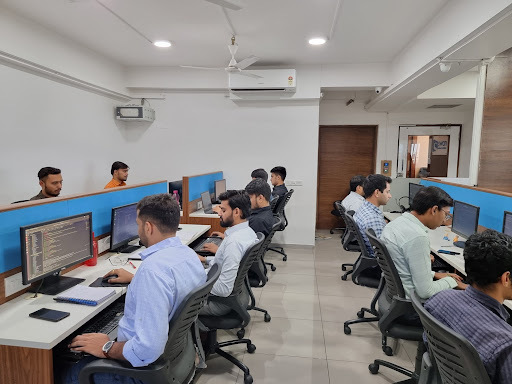
- Minimum team size of 10 full-stack developers for complex projects
- Proven experience with CMS platforms (WordPress, Shopify, Webflow) or proprietary builders
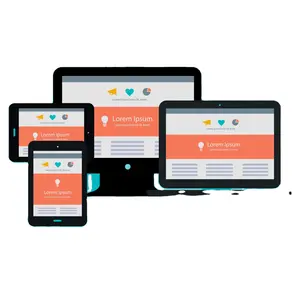
- In-house UI/UX design and responsive coding capabilities
Cross-reference client case studies with third-party analytics tools (e.g., Google PageSpeed Insights, GTmetrix) to verify performance benchmarks.
Transaction Safeguards
Utilize milestone-based payment structures with escrow services for custom development contracts. Review contractual terms covering IP ownership, revision limits, and post-launch support duration. Conduct a pilot test—request a landing page build within a 72-hour window—to assess responsiveness, code quality, and alignment with brand specifications before scaling engagement.
What Are the Best Easy to Build Websites Suppliers?
No verified supplier data is currently available in structured format for this category. As a result, direct comparative analysis based on company metrics such as staff count, years operating, factory area, or reorder rate cannot be conducted. Procurement decisions must rely on alternative validation methods including portfolio reviews, third-party customer testimonials, platform reputation scores, and independent technical audits.
Performance Analysis
In the absence of quantifiable supplier profiles, risk mitigation depends on rigorous due diligence. Established agencies with five or more years in operation typically demonstrate higher project completion rates and stronger compliance frameworks. Cloud-hosted SaaS builders offer faster setup but limited backend control, while freelance-led teams may provide greater customization at the expense of formal quality management systems. Prioritize vendors that document development workflows, conduct automated testing, and publish transparent SLAs covering downtime response and maintenance windows.
FAQs
How to verify easy to build websites supplier reliability?
Validate business registration details and cross-check client references. Request live demonstrations of previously built sites, focusing on mobile responsiveness, load speed, and SEO readiness. Analyze security headers, backup frequency, and GDPR/CCPA compliance for data handling.
What is the average project timeline?
Standard website builds take 5–10 business days. E-commerce implementations require 15–25 days depending on product catalog size and integration needs. Expedited launches (within 72 hours) are possible using template-based platforms with minimal customization.
Can suppliers integrate third-party tools?
Yes, most providers support API integrations for CRM, email marketing, analytics, and payment gateways. Confirm compatibility with required services (e.g., HubSpot, Stripe, Google Analytics 4) during scoping. Custom API development may extend timelines by 1–3 weeks.
Do website builders offer free trials?
Many SaaS platforms provide free trial periods (7–14 days) with full feature access. For custom development, suppliers rarely offer free builds but may present demo templates at no cost to showcase capabilities.
How to initiate customization requests?
Submit detailed requirements including target audience, preferred color schemes, content structure, functional features (contact forms, booking systems), and device compatibility expectations. Reputable suppliers respond with wireframes or mockups within 48–72 hours and initiate agile sprints upon approval.





