Build A Website Platform

 CN
CN






 1/4
1/4





 1/3
1/3






 1/3
1/3



 0
0




 0
0



 0
0





 1/3
1/3





 1/2
1/2




 1/3
1/3


 1/3
1/3


 0
0






 1/2
1/2





 1/3
1/3



 1/2
1/2





 1/3
1/3





 1/3
1/3



 1/3
CN
1/3
CN


 1/3
1/3



 1/3
1/3






 1/3
1/3
About build a website platform
Where to Find Build a Website Platform Suppliers?
The global market for website platform development services is highly decentralized, with leading suppliers concentrated in technology hubs across North America, Europe, and Asia. Unlike physical goods, these platforms are developed by software firms and IT service providers rather than traditional manufacturers. Key regions include Silicon Valley (USA), Berlin (Germany), and Bangalore (India), where robust digital infrastructure, access to skilled developers, and mature tech ecosystems support scalable web platform creation.
These clusters offer competitive advantages through deep talent pools—particularly in full-stack development, cybersecurity, and cloud architecture—as well as proximity to venture capital and enterprise clients. Providers in Eastern Europe and Southeast Asia have gained traction due to 30–50% lower labor costs while maintaining high technical standards. Lead times for custom website platforms typically range from 8 to 20 weeks, depending on complexity, integration requirements, and client feedback cycles. Scalability is enhanced through agile development methodologies and DevOps pipelines that enable iterative deployment and rapid prototyping.
How to Choose Build a Website Platform Suppliers?
Prioritize these verification protocols when selecting partners:
Technical Compliance
Ensure adherence to recognized software quality frameworks such as ISO/IEC 25010 for system quality and ISO 27001 for information security management. For e-commerce or data-sensitive applications, GDPR, CCPA, or HIPAA compliance may be mandatory based on jurisdiction and use case. Request documentation of code audits, penetration testing, and third-party vulnerability assessments.
Development Capability Audits
Evaluate operational capacity and technical depth:
- Minimum team size of 15+ full-time developers with documented expertise in relevant stacks (e.g., MERN, LAMP, or .NET)
- Proven experience with CI/CD pipelines, containerization (Docker), and cloud hosting (AWS, Azure, GCP)
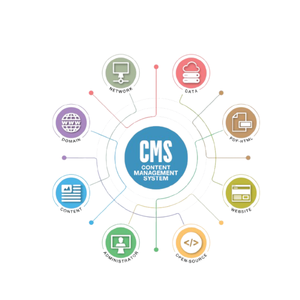
- Demonstrated project portfolio including scalable CMS, multi-tenant SaaS platforms, or headless architectures
Cross-reference client testimonials with delivery timelines and post-launch support responsiveness to assess reliability.
Transaction Safeguards
Utilize milestone-based payment structures with escrow protection for custom development projects. Review contractual terms covering IP ownership, source code delivery, SLAs for uptime and maintenance, and data handling policies. Conduct a pilot engagement or proof-of-concept phase before committing to full-scale development to validate technical alignment and workflow efficiency.
What Are the Best Build a Website Platform Suppliers?
| Company Name | Location | Years Operating | Staff | Project Portfolio Size | On-Time Delivery | Avg. Response | Ratings | Reorder Rate |
|---|---|---|---|---|---|---|---|---|
| No verified suppliers available for analysis at this time. | ||||||||
Performance Analysis
In the absence of specific supplier data, procurement decisions should focus on verifiable indicators of capability: documented development processes (e.g., Agile/Scrum), transparent communication channels, and compliance with international software standards. Established firms with over five years in operation and portfolios exceeding 50 projects tend to demonstrate higher delivery consistency. Prioritize suppliers offering detailed project roadmaps, automated testing frameworks, and post-deployment support agreements for mission-critical platforms. For customized solutions, require live demonstrations or sandbox environments prior to contract finalization.
FAQs
How to verify build a website platform supplier reliability?
Validate company registration, technical certifications (e.g., AWS Partner status, Microsoft Gold Certification), and client references. Conduct code reviews via GitHub or GitLab repositories if accessible. Analyze third-party review platforms focusing on long-term maintenance performance and scalability outcomes.
What is the average project timeline?
Standard website platforms require 8–12 weeks for design, development, and testing. Complex systems with user authentication, database integration, or API connectivity may take 16–20 weeks. Add 2–4 weeks for content migration and SEO optimization.
Can suppliers deploy platforms globally?
Yes, most professional developers implement responsive, multilingual platforms hosted on CDN-backed infrastructure for low-latency global access. Confirm deployment strategy, domain configuration, and SSL/TLS implementation during scoping.
Do suppliers provide free prototypes?
Prototype availability varies. Some vendors offer no-cost wireframes or mockups to secure contracts, while others charge for initial concept development. Expect partial reimbursement if the project proceeds to full development.
How to initiate customization requests?
Submit detailed functional specifications including user roles, database schema, integrations (payment gateways, CRM), and performance benchmarks. Reputable suppliers respond with technical proposals, architecture diagrams, and milestone plans within 5–7 business days.





