Ecommerce B2b Platform




















 CN
CN

























 CN
CN








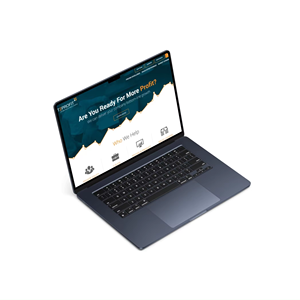
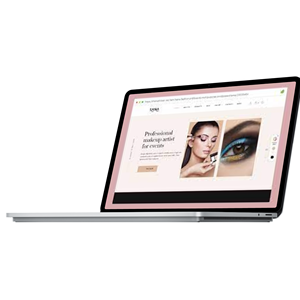


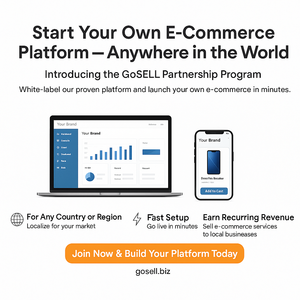


















About ecommerce b2b platform
Where to Find Ecommerce B2B Platform Suppliers?
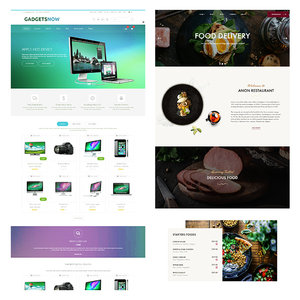
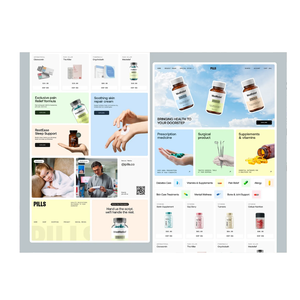
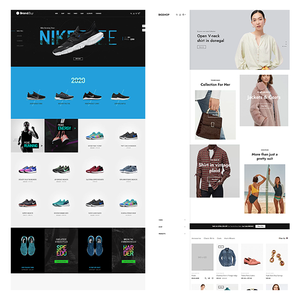
The global market for custom ecommerce B2B platform development is increasingly concentrated among specialized technology firms in China, particularly within Shenzhen and Guangzhou’s innovation corridors. These hubs host a high density of software development houses with expertise in enterprise-grade digital commerce solutions, leveraging proximity to hardware manufacturers and cloud infrastructure providers. Shenzhen alone accounts for over 40% of China’s export-oriented IT service suppliers, supported by a mature ecosystem of certified developers, cybersecurity specialists, and agile project management teams.
Suppliers in this region benefit from integrated access to AI, API integration, and multi-platform deployment tools—enabling rapid customization of B2B marketplaces, wholesale portals, and cross-border trading systems. The clustering effect reduces coordination delays, with many vendors offering end-to-end services from UI/UX design to backend architecture and third-party integrations (e.g., Shopify, Magento, eBay). Buyers gain operational efficiency through localized technical talent pools, scalable delivery models, and average lead times of 6–12 weeks for fully customized platforms.
How to Choose Ecommerce B2B Platform Suppliers?
Procurement decisions should be guided by objective evaluation criteria that assess technical capability, transaction reliability, and service scalability:
Development Expertise & Technical Scope
Verify demonstrated experience in building secure, scalable B2B ecommerce architectures. Preferred suppliers offer native support for key frameworks such as WordPress, Shopify, Magento, and custom mobile applications. Confirm capabilities in AI-driven personalization, multi-vendor marketplace logic, and API-based payment or logistics integrations. Evaluate portfolios for complexity—customized platforms priced above $30,000 typically include advanced features like automated order routing, role-based dashboards, and ERP synchronization.
Production Capacity & Responsiveness
Assess responsiveness metrics and workflow capacity:
- Average response time under 7 hours indicates active client management
- On-time delivery rate exceeding 95% correlates with reliable project tracking
- Dedicated R&D teams capable of handling concurrent customization projects
Cross-reference quoted lead times with actual delivery performance, especially for complex builds requiring AI or multi-API orchestration.
Transaction Security & Quality Assurance
Prioritize suppliers participating in verified trade assurance programs. Require milestone-based payment structures tied to deliverables (e.g., wireframe approval, beta testing). Insist on post-launch technical support terms and source code ownership clauses. Conduct due diligence via video audits of development environments when full customization is required.
What Are the Best Ecommerce B22 Platform Suppliers?
| Company Name | Main Products (Listings) | Customization Options | Min. Order Quantity | Price Range (USD) | On-Time Delivery | Avg. Response | Reorder Rate | Revenue Transparency |
|---|---|---|---|---|---|---|---|---|
| Shenzhen Douples Technology Co., Ltd. | Software | Full custom design, AI, Shopify | 1 unit | $30,000–$40,000 | 100% | ≤9h | - | No public data |
| CORTEX WORK | Software (716) | Multi-vendor, Magento, wholesale | 1–2 pieces | $500–$4,015 | - | ≤7h | - | No public data |
| BUSINESS RHINOS | Software (190), E-commerce website (8) | WordPress, B2B/B2C, money transfer | 2 pieces | $100–$1,000 | - | ≤2h | - | No public data |
| GLOBAL GEMS | Mechanical Watches, Moissanite Jewelry | Classified site design, portal dev | 1–140 units | $14–$140 | 66% | ≤2h | - | US $6+ |
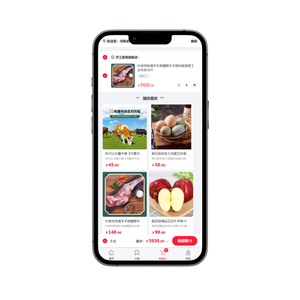
| Shenzhen Kuaiji Interactive Technology Co., Ltd. | Custom App & Platform Dev | Logo branding, iOS, mobile apps | 1 set | $100 | 100% | ≤7h | - | No public data |
Performance Analysis
High-investment developers like Shenzhen Douples Technology specialize in enterprise-level B2B platforms with budgets starting at $30,000, backed by 100% on-time delivery and deep customization in AI and Shopify ecosystems. In contrast, mid-tier providers such as CORTEX WORK and BUSINESS RHINOS offer modular solutions between $500–$4,000, suitable for SMEs needing multi-vendor functionality or Magento integration. Notably, BUSINESS RHINOS leads in responsiveness (≤2h), enhancing collaboration efficiency. GLOBAL GEMS presents an outlier case—primarily a jewelry supplier offering low-cost classified website templates ($14/unit), though its 66% on-time delivery raises concerns about consistency. Shenzhen Kuaiji stands out for mobile app integration at scale, delivering full e-commerce apps for $100/set with perfect delivery adherence. Buyers seeking robust, scalable B2B platforms should prioritize vendors with proven full-cycle development experience and transparent pricing aligned with functional scope.
FAQs
How to verify ecommerce B2B platform supplier reliability?
Review product-specific keywords, customer interaction metrics (response time, order fulfillment), and service history. Request case studies or live demos of previously deployed platforms. Validate technical claims through structured Q&A on security protocols, hosting options, and update cycles.
What is the typical development timeline?
Standard custom platform delivery ranges from 6 to 12 weeks depending on feature complexity. Projects involving AI, third-party API integrations, or mobile app companions may extend to 14–16 weeks. Template-based solutions can be delivered within 2–4 weeks.
Can suppliers integrate with existing business systems?
Yes, reputable developers support integration with ERP, CRM, inventory management, and payment gateways via RESTful APIs. Confirm compatibility with your current stack during initial consultation and request documentation of past integration examples.
Do suppliers offer post-launch support?
Support policies vary. Some vendors include 3–6 months of maintenance, while others charge separately. Clarify terms for bug fixes, updates, and training before contract finalization. Long-term SLAs are recommended for mission-critical platforms.
How does MOQ affect customization?
Higher-priced offerings (e.g., $30,000+) typically allow full architectural control and IP ownership. Lower-cost packages may restrict modifications to predefined templates or themes. Always confirm the extent of editable components and source code access prior to purchase.





