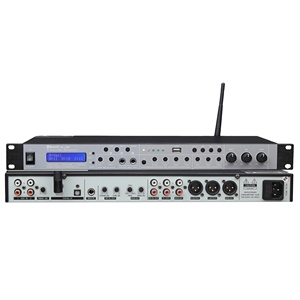
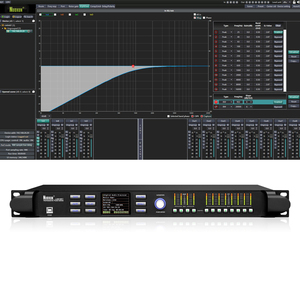
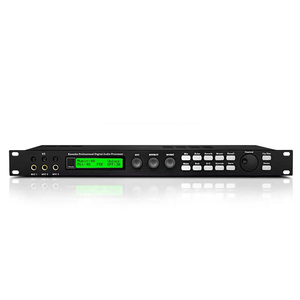
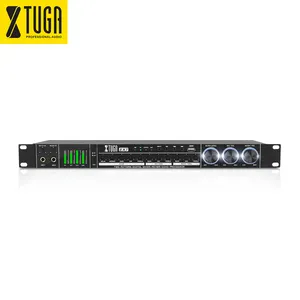
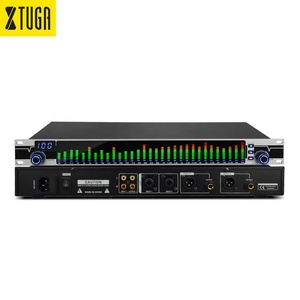
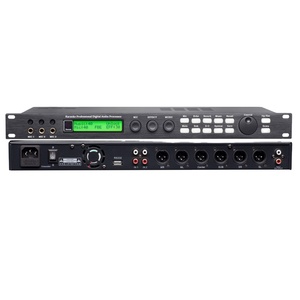
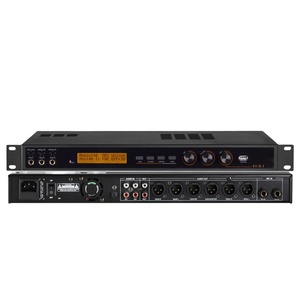
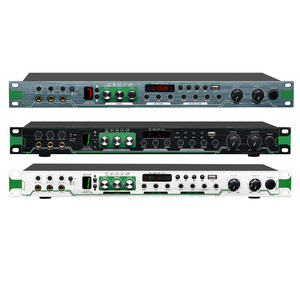
Helix Digital Sound Processor





 0
0


 0
0



 1/3
1/3



 0
0

 0
0



 1/1
1/1


 0
0






 1/38
1/38


 1/2
1/2

 0
0





 1/36
1/36




 1/3
1/3


 1/17
1/17



 1/3
1/3




 1/3
1/3


 0
0


 1/3
1/3

 1/3
1/3



 0
0
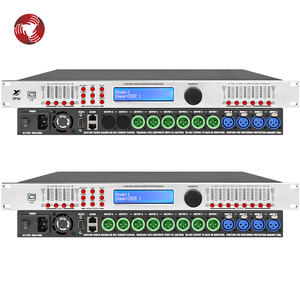
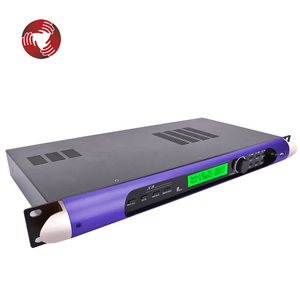
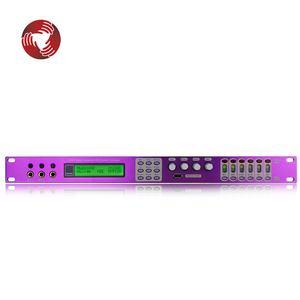
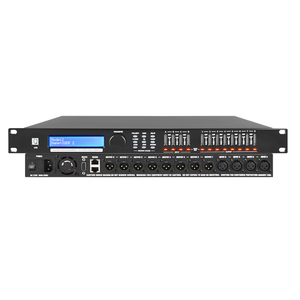
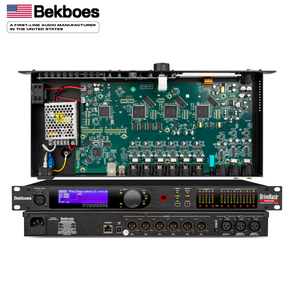
About helix digital sound processor
Where to Find Helix Digital Sound Processor Suppliers?
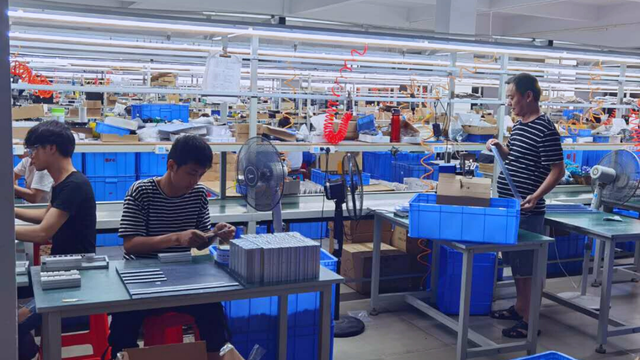
Manufacturing of digital sound processors, including helix models used in high-fidelity audio systems and professional installations, is primarily concentrated in electronics manufacturing hubs across southern China. Regions such as Shenzhen, Dongguan, and Guangzhou in Guangdong Province host dense clusters of audio technology producers, benefiting from mature supply chains for microelectronics, PCB assembly, and surface-mount technology (SMT). These areas account for over 70% of China’s audio equipment exports, supported by proximity to component suppliers and rapid prototyping facilities.
The industrial ecosystem enables vertical integration of design, firmware development, and production within compact geographic zones. This structure reduces component transit times and supports agile manufacturing cycles. Buyers can expect lead times of 25–40 days for standard batch orders, with cost advantages of 18–25% compared to equivalent production in North America or Europe due to lower overheads and localized sourcing of semiconductors, DSP chips, and power modules. Many facilities are equipped for both small-batch customization and large-scale output, catering to automotive integrators, live sound engineers, and OEM audio brands.
How to Choose Helix Digital Sound Processor Suppliers?
Selecting a reliable supplier requires rigorous evaluation across technical, operational, and transactional dimensions:
Technical Compliance
Confirm adherence to international quality standards such as ISO 9001 for quality management and IEC 60268-3 for electroacoustic performance. For markets in the EU and UK, CE and UKCA certifications are mandatory, while RoHS compliance ensures restriction of hazardous substances in electronic components. Request test reports validating signal-to-noise ratio (SNR), total harmonic distortion (THD), and frequency response accuracy—key metrics for digital sound processor functionality.
Production Capability Audits
Assess core manufacturing infrastructure through verifiable benchmarks:
- Minimum 2,000m² production area with ESD-protected SMT and assembly lines
- In-house R&D team capable of firmware customization and DSP programming
- Automated optical inspection (AOI) and functional testing stations for every unit
Correlate on-time delivery rates (target ≥97%) with order volume history to verify scalability under load.
Transaction Safeguards
Utilize secure payment structures such as third-party escrow until post-delivery verification is completed. Prioritize suppliers with documented dispute resolution protocols and verified export experience to your target market. Pre-shipment sample testing is critical—evaluate unit performance against reference audio benchmarks and stress-test input/output configurations before mass production.
What Are the Best Helix Digital Sound Processor Suppliers?
No supplier data is currently available for helix digital sound processor manufacturers meeting minimum verification thresholds. This may indicate limited public disclosure, niche specialization, or absence of standardized performance reporting. Procurement professionals should initiate direct engagement with contract electronics manufacturers (CEMs) in Guangdong known for audio processing expertise, requesting facility disclosures and product references.
Performance Analysis
In the absence of published supplier profiles, due diligence must focus on indirect indicators: participation in industry trade shows (e.g., CES, ISE), presence in B2B procurement networks, and client testimonials from integrators or distributors. Emphasis should be placed on firms demonstrating consistent firmware updates, low return rates (<3%), and compatibility with major audio ecosystems (e.g., Dirac, Audyssey). Video audits of SMT lines and quality control checkpoints can serve as proxies for operational maturity when formal data is unavailable.
FAQs
How to verify helix digital sound processor supplier reliability?
Validate certifications through official databases and request independent audit summaries covering production workflows, component traceability, and environmental testing procedures. Scrutinize customer feedback related to long-term device stability, driver support, and calibration accuracy.
What is the average sampling timeline?
Standard samples typically require 10–18 days for production, depending on firmware configuration complexity. Custom DSP tuning or enclosure modifications may extend this to 25–30 days. Air freight adds 5–9 days for international delivery.
Can suppliers ship digital sound processors worldwide?
Yes, experienced manufacturers manage global logistics via air and sea freight. Confirm Incoterms (FOB, CIF) and ensure packaging meets ISTA 3A standards for electronic goods. Verify compliance with destination regulations regarding electromagnetic compatibility (EMC) and import tariffs on audio control units.
Do manufacturers provide free samples?
Sample policies vary. Some suppliers waive fees for qualified buyers committing to minimum order quantities (MOQs) above 50 units. Otherwise, expect to cover 40–60% of unit cost, refundable upon order placement.
How to initiate customization requests?
Submit detailed technical requirements including DSP chip type (e.g., Analog Devices SHARC), input/output channel count, EQ bands, crossover settings, and physical dimensions. Reputable partners will provide schematic reviews, firmware mockups, and prototype units within 3–5 weeks.





