Identity Codes







 1/36
1/36



 1/25
1/25


 1/3
1/3





 1/29
1/29





 1/1
1/1



 1/36
1/36



 0
0


 1/2
1/2



 1/3
1/3


 1/3
1/3


 1/3
1/3



 1/3
1/3



 1/3
1/3




 1/26
1/26


 1/2
1/2





 1/58
1/58


About identity codes
Where to Find Identity Codes Suppliers?
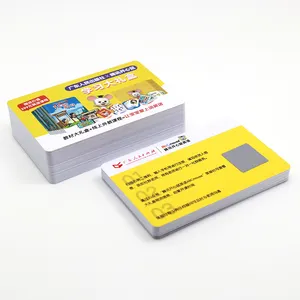
The global supply base for identity codes—digital or physical identifiers used in authentication, access control, and data management—is primarily concentrated in technology-intensive regions of East Asia, with significant clusters in Guangdong and Jiangsu provinces, China. These regions host integrated ecosystems combining semiconductor fabrication, secure printing, and cryptographic software development. Guangdong, particularly around Shenzhen, supports over 70% of China’s smart card and RFID-based identity solutions manufacturing, leveraging proximity to electronic component suppliers and high-speed logistics gateways.
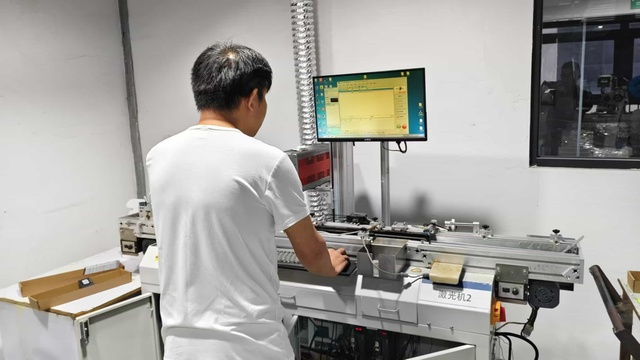
Jiangsu's Suzhou and Wuxi zones specialize in high-security identity code systems requiring ISO/IEC 15408 (Common Criteria) compliance, serving government and financial sector clients. The region benefits from co-location with research institutes and encryption technology developers, enabling rapid iteration on tamper-resistant coding solutions. Vertically integrated production allows for streamlined workflows from silicon wafer provisioning to final personalization, reducing time-to-market by 25–40% compared to fragmented supply chains. Buyers gain access to facilities capable of monthly outputs exceeding 10 million units for standardized credentials, with lead times averaging 20–35 days depending on customization level.
How to Choose Identity Codes Suppliers?
Adopt structured evaluation criteria to mitigate risks in sourcing identity-coded products:
Security & Compliance Verification
Confirm adherence to recognized standards: ISO/IEC 7816 for contact smart cards, ISO/IEC 14443 for contactless identification, and FIPS 140-2 or Common Criteria EAL4+ for cryptographic modules. For EU markets, ensure RoHS and GDPR compliance in data handling processes. Request audit trails for key management systems and evidence of secure facility protocols (e.g., restricted cleanroom access, zero-data retention policies).
Production Infrastructure Assessment
Evaluate technical capacity through the following benchmarks:
- Minimum 3,000m² secure production area with climate-controlled encoding zones
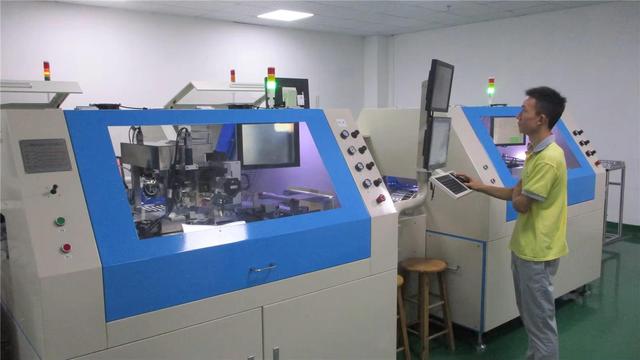
- In-house capabilities for laser engraving, chip embedding, and dynamic code generation
- Dedicated R&D team focused on anti-counterfeiting technologies (e.g., holography, microtext, QR-code encryption)
Validate scalability via batch testing logs and order fulfillment history, targeting suppliers with proven capacity to handle >500,000 units per month without quality variance.
Procurement Risk Mitigation
Implement third-party inspection protocols before shipment, especially for personalized identity media involving sensitive data. Use escrow arrangements where code generation keys are released only after verification. Prioritize suppliers offering sample batches with serialized test codes to validate readability, durability, and cryptographic integrity. Assess export experience—particularly shipments to regulated markets (U.S., EU, GCC)—to confirm familiarity with customs documentation and data sovereignty requirements.
What Are the Best Identity Codes Suppliers?
No verified supplier data is currently available for identity codes manufacturers. Due to the absence of quantifiable metrics such as factory size, certification status, delivery performance, or workforce composition, a comparative analysis cannot be conducted at this time.
Performance Analysis
In the absence of active supplier profiles, procurement teams should focus on pre-qualification screening. Emphasize site audits—virtual or physical—to verify infrastructure claims. Leverage industry-specific certifications as filtering mechanisms, prioritizing vendors with documented experience in national ID programs, enterprise IAM systems, or healthcare credentialing. Until comprehensive supplier data becomes accessible, risk-averse buyers should engage only with partners providing verifiable references from public-sector or regulated-industry deployments.
FAQs
How to verify identity codes supplier reliability?
Cross-validate security certifications with issuing bodies such as ANAB, TÜV, or BSI. Request redacted copies of past third-party penetration tests and facility audits. Examine contract terms related to data ownership, code revocation procedures, and breach liability.
What is the average sampling timeline?
Standard sample production takes 10–18 days, including chip programming and visual inspection. Encrypted or dynamically generated codes may require up to 25 days due to key exchange and system integration steps. Air freight adds 5–9 days for international delivery.
Can suppliers ship identity codes worldwide?
Yes, experienced manufacturers support global distribution under DDP, CIF, or FOB terms. Special attention is required for shipments containing cryptographic components, which may be subject to export controls (e.g., Wassenaar Arrangement). Confirm that suppliers have prior experience clearing customs in target jurisdictions, particularly for bulk consignments of secure documents.
Do manufacturers provide free samples?
Sample availability depends on complexity. Basic printed codes or demo cards are often provided at no cost for qualified buyers. However, personalized smart cards or encrypted digital tokens typically incur fees covering material and provisioning costs (usually 40–60% of unit price), refundable against future orders above MOQ thresholds.
How to initiate customization requests?
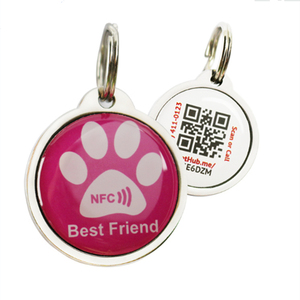
Submit detailed technical requirements including format (barcodes, QR, NFC, RFID), substrate material (PVC, PET, polycarbonate), data structure (static/dynamic), and cryptographic method (AES-128, RSA-2048). Leading suppliers respond with compatibility assessments within 48 hours and deliver prototype sets within 3 weeks for validation.





