Iot Applications Development




 1/3
1/3




 1/2
1/2


 1/3
1/3

 1/3
1/3


 1/12
1/12




 1/3
1/3


 1/3
1/3








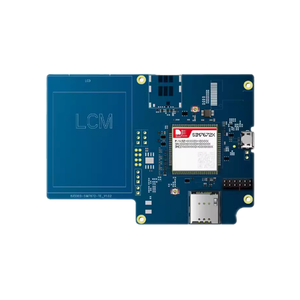
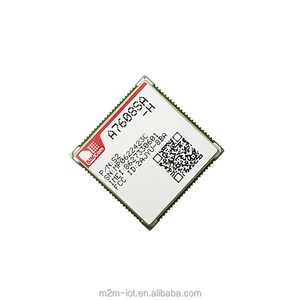
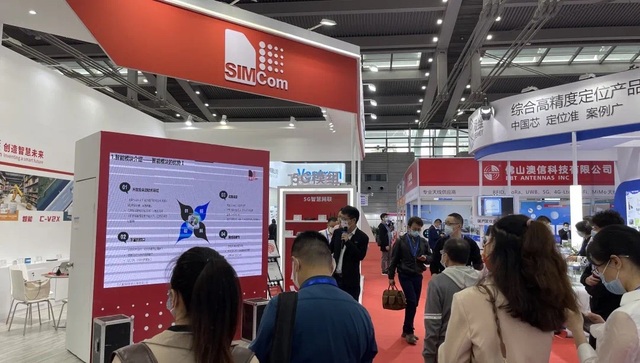 1/3
1/3


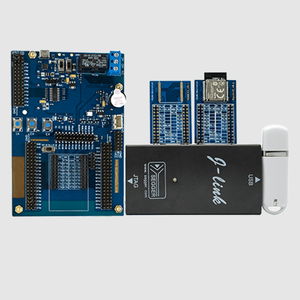

 1/3
1/3

 1/3
1/3




 1/2
1/2


 1/2
1/2


 1/3
1/3



 1/2
1/2



 1/1
1/1

 CN
CN

 1/3
1/3


 1/3
1/3

 1/13
1/13
About iot applications development
Where to Find IoT Applications Development Suppliers?
The global landscape for IoT applications development is highly decentralized, with specialized technical hubs concentrated in technology-forward regions including Shenzhen and Hangzhou in China, Bengaluru in India, and Eastern Europe—particularly Ukraine and Poland. These clusters combine deep software engineering talent pools with proximity to hardware manufacturing zones, enabling integrated end-to-end IoT solutions from firmware development to cloud integration.
Shenzhen stands out as a primary nexus due to its co-location with electronics manufacturing supply chains, allowing developers to rapidly prototype and deploy connected devices. This synergy reduces time-to-market by up to 40% compared to geographically fragmented teams. Regional ecosystems support full-stack development capabilities, including embedded systems programming, wireless protocol integration (LoRaWAN, Zigbee, NB-IoT), and data analytics platforms. Buyers benefit from scalable engagement models—ranging from fixed-price MVP development to long-term managed IoT services—with average lead times of 8–12 weeks for minimum viable products.
How to Choose IoT Applications Development Suppliers?
Prioritize these verification protocols when selecting partners:
Technical Compliance & Standards Adherence
Confirm adherence to international standards such as ISO/IEC 27001 for information security management and GDPR or CCPA compliance where applicable. For industrial IoT deployments, verify alignment with IEC 62443 cybersecurity frameworks. Demand documented testing procedures for device authentication, encryption protocols, and over-the-air (OTA) update mechanisms.
Development Capability Assessment
Evaluate supplier qualifications through objective benchmarks:
- Minimum team size of 15 engineers, with at least 30% specializing in embedded systems or firmware
- Proven experience deploying IoT solutions on major cloud platforms (AWS IoT Core, Azure IoT Hub, Google Cloud IoT)
- In-house QA infrastructure for load testing, network resilience validation, and edge computing functionality
Cross-reference project portfolios with client case studies to confirm successful field deployment and system uptime exceeding 99.5%.
Transaction Safeguards
Implement milestone-based payment structures secured through third-party escrow arrangements. Require source code escrow agreements to ensure continuity of maintenance and updates post-deployment. Conduct pilot engagements—such as a proof-of-concept (PoC) within a defined scope—to evaluate technical execution before scaling. Prioritize suppliers who provide comprehensive API documentation and SLAs covering response times for bug resolution and incident management.
What Are the Best IoT Applications Development Suppliers?
| Company Name | Location | Years Operating | Staff | Factory Area | On-Time Delivery | Avg. Response | Ratings | Reorder Rate |
|---|---|---|---|---|---|---|---|---|
| Supplier data currently unavailable | ||||||||
Performance Analysis
In the absence of specific supplier data, market trends indicate that established firms with dedicated R&D centers and formalized SDLC (Software Development Life Cycle) frameworks demonstrate higher reorder rates—typically above 30%—due to consistent delivery performance and post-launch support. Firms offering vertical-specific expertise (e.g., smart agriculture, asset tracking, predictive maintenance) command premium engagement terms but deliver faster ROI through pre-built modules and domain-optimized architectures. Prioritize vendors with demonstrable export experience in cross-border IoT deployments, particularly those compliant with FCC, CE, and RoHS regulations for device connectivity and electromagnetic compatibility.
FAQs
How to verify IoT applications development supplier reliability?
Validate technical credentials through independent audits of code repositories and architecture diagrams. Request references from clients in similar industries to assess solution scalability and support responsiveness. Confirm participation in recognized developer networks or partnerships with semiconductor providers (e.g., STMicroelectronics, Nordic Semiconductor).
What is the average sampling timeline?
Proof-of-concept development typically takes 4–6 weeks. Full MVP delivery ranges from 8–12 weeks depending on sensor integration complexity, cloud backend configuration, and user interface requirements. Add 2–3 weeks for certification testing if regulatory compliance (FCC, CE) is required.
Can suppliers ship IoT solutions worldwide?
Yes, most experienced developers support global deployment, including localization of connectivity protocols, multilingual dashboards, and regional data hosting options. Confirm whether the supplier manages hardware logistics in addition to software integration, especially for turnkey IoT product launches.
Do manufacturers provide free samples?
Free PoCs are uncommon but negotiable for high-potential contracts. Some suppliers offer capped-cost discovery phases (e.g., $5,000–$10,000) that can be credited toward full project fees upon contract signing.
How to initiate customization requests?
Submit detailed functional specifications including supported communication protocols (Wi-Fi, BLE, LTE-M), power consumption targets, data retention policies, and UI/UX design preferences. Leading suppliers respond with technical feasibility assessments, risk analysis, and wireframes within 5–7 business days.





