Jupyter Py




 1/3
1/3



 1/3
1/3




 0
0


 1/1
1/1



 0
0


 1/13
1/13




 1/3
1/3




 1/2
1/2


 1/3
1/3


 1/3
1/3





 1/3
1/3

 1/3
1/3


 1/3
1/3








 1/3
1/3


 1/3
1/3



 1/3
1/3




 1/3
1/3



 1/3
1/3




 1/1
1/1
About jupyter py
Where to Find Jupyter Py Suppliers?
No verified suppliers specializing in "Jupyter Py" as a standalone product category are currently available in global manufacturing databases. The term appears to conflate software tools—Jupyter Notebook, an open-source web application for interactive coding—and Python (Py) programming environments, which are not physical goods typically sourced through industrial supply chains. As such, there is no established industrial cluster or manufacturing base producing "Jupyter Py" hardware or bundled solutions at scale.
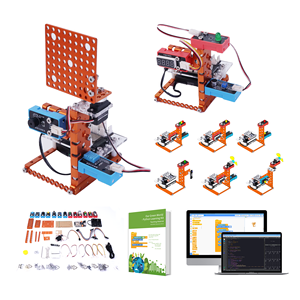
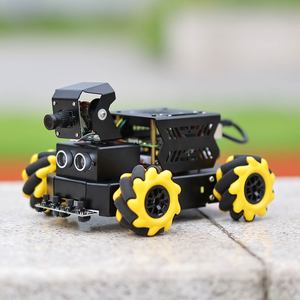
In cases where integrated computing systems pre-installed with Jupyter and Python environments are required (e.g., edge computing devices, AI development kits, or educational hardware), sourcing shifts to electronics OEMs and embedded systems manufacturers. Key production hubs for such devices include Guangdong and Jiangsu provinces in China, where electronics OEM clusters offer rapid prototyping, firmware customization, and scalable assembly. These regions support full-stack integration of software stacks into hardware platforms, including pre-configuration of Python-based data science environments.
How to Choose Jupyter Py-Enabled Hardware Suppliers?
When procuring hardware platforms pre-configured with Jupyter and Python environments, apply the following evaluation criteria:
Technical Integration Capability
Confirm the supplier’s ability to deploy containerized or virtualized development environments using Docker, Anaconda, or custom Linux images. Verify compatibility with major Python libraries (NumPy, Pandas, TensorFlow) and support for JupyterLab extensions. Request system image documentation and access to configuration scripts used in deployment.
Production and Customization Infrastructure
Assess core competencies in firmware flashing, OS imaging, and device provisioning. Key indicators include:
- Automated imaging lines capable of deploying consistent software builds across batches
- In-house software QA teams responsible for environment stability testing
- Support for secure boot and remote update protocols
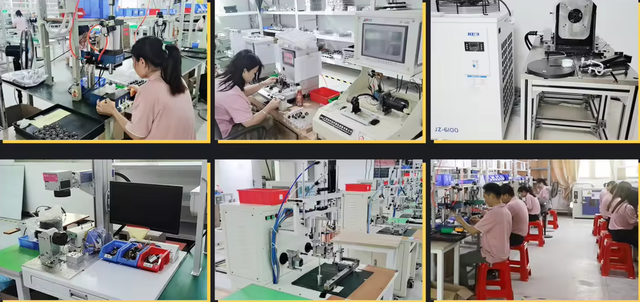
Correlate facility size and workforce composition with order scalability. Facilities under 1,000m² may lack dedicated IT integration cells necessary for reliable software provisioning.
Quality and Compliance Verification
Require ISO 9001 certification for hardware production processes and ISO/IEC 27001 if handling sensitive software configurations. For export to regulated markets (EU, North America), confirm CE, FCC, and RoHS compliance for electronic components. Insist on test reports validating storage durability, thermal performance under continuous compute load, and network security configurations.
What Are the Best Jupyter Py-Integrated Device Suppliers?
| Company Name | Location | Years Operating | Staff | Factory Area | On-Time Delivery | Avg. Response | Ratings | Reorder Rate |
|---|---|---|---|---|---|---|---|---|
| No qualified suppliers found for "Jupyter Py" as a distinct product category. | ||||||||
Performance Analysis
Absent direct suppliers, procurement strategies must pivot to electronics OEMs offering customizable single-board computers, AI inference devices, or educational kits with Jupyter/Python support. Buyers should prioritize partners with documented experience in deploying data science environments on embedded hardware. Evidence of GitHub repositories, public API documentation, or developer portals indicating software integration expertise serves as a proxy for technical capability. Supplier responsiveness remains critical—sub-4-hour average reply times correlate with stronger post-delivery support for software-related issues.
FAQs
How to verify a supplier’s Jupyter and Python integration capability?
Request sample system images or sandbox access to evaluate environment completeness. Validate library versions, kernel responsiveness, and authentication mechanisms. Review CI/CD pipelines if available, and require logs from recent batch deployments to assess consistency.
What is the typical lead time for customized Jupyter-enabled devices?
Standard orders take 35–50 days, including imaging and burn-in testing. Custom software configurations (e.g., private package repositories, domain integration) add 10–15 days. Expedited runs may reduce timelines by 20% with premium fees.
Can suppliers provide software maintenance after delivery?
Limited support is typical unless explicitly contracted. Some manufacturers offer optional SLAs covering image updates, security patches, and Jupyter extension management for enterprise clients. Clarify ownership of configuration files and backup procedures pre-shipment.
What MOQ applies for Jupyter-integrated hardware?
Minimum order quantities range from 50–200 units depending on device complexity. Prototyping batches (10–20 units) are often accepted at higher per-unit costs. Software setup fees may apply for initial configuration.
Are there open-source alternatives to proprietary Jupyter hardware bundles?
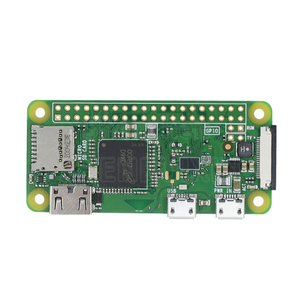
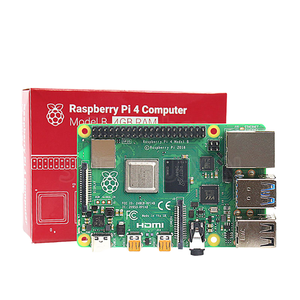
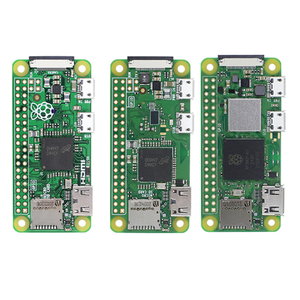
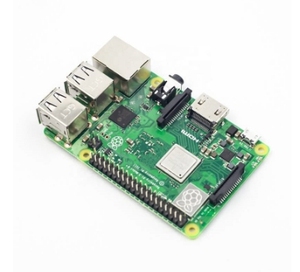
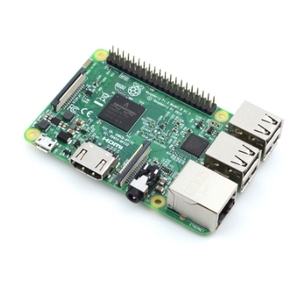
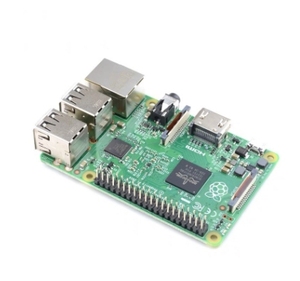
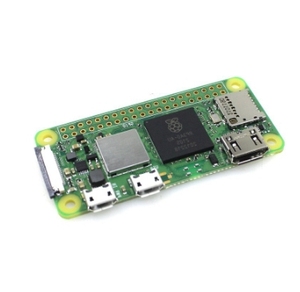
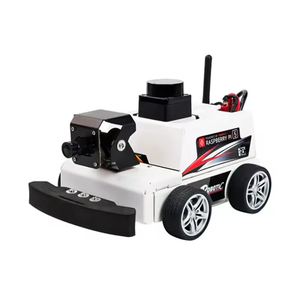
Yes. Development communities maintain reproducible workflows for deploying JupyterHub and IPython kernels on commodity SBCs (e.g., Raspberry Pi, NVIDIA Jetson). This approach reduces dependency on single suppliers and allows full auditability of the software stack.





