


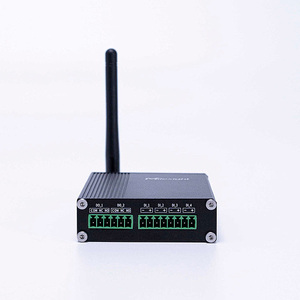

Modbus Rtu









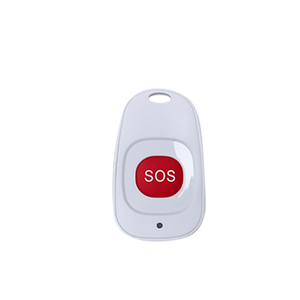




 Top sponsor listing




 1/2
1/2


 1/3
1/3


 0
0


 1/3
1/3


 1/3
1/3




 1/3
1/3





 1/3
1/3


 1/3
1/3







 1/3
1/3









 1/22
1/22




 1/1
1/1


 1/4
1/4


 1/2
1/2


 0
0


 1/1
1/1


 1/3
1/3
About modbus rtu
Where to Find Modbus RTU Suppliers?
China remains the central hub for industrial automation component manufacturing, with key production clusters in Guangdong, Zhejiang, and Jiangsu provinces. These regions host vertically integrated facilities specializing in communication modules, industrial control systems, and embedded electronics—core segments for Modbus RTU development. Guangdong, particularly around Shenzhen, benefits from a mature electronics supply chain, enabling rapid prototyping and high-volume PCB assembly. Zhejiang’s Ningbo and Hangzhou zones focus on precision instrument manufacturing, offering tight integration between firmware programming and hardware testing.
The concentration of component suppliers, contract manufacturers, and logistics networks within these industrial corridors supports efficient production cycles. Proximity to semiconductor distributors, connector fabricators, and testing laboratories allows for faster turnaround times and reduced material procurement delays. Buyers can expect lead times of 15–30 days for standard Modbus RTU modules, with cost advantages of 20–35% compared to equivalent Western-made units due to localized sourcing and lower labor overheads. Scalability is further enhanced by modular design practices that allow flexible configuration across RS-485 interface variants, baud rate settings, and protocol compatibility layers.
How to Choose Modbus RTU Suppliers?
Procurement decisions should be guided by structured technical and operational assessments:
Technical Compliance
Confirm adherence to Modbus over Serial Line V1.02 specifications as the functional baseline. Suppliers must provide documented proof of electromagnetic compatibility (EMC) and electrical isolation testing (typically 2.5kV or higher). For regulated environments, verify CE, RoHS, and where applicable, UL certification for industrial control equipment. Firmware validation reports demonstrating error detection, frame handling, and response latency under load are essential for mission-critical deployments.
Production Capability Audits
Assess core manufacturing infrastructure through verifiable metrics:
- Minimum 3,000m² production area including dedicated SMT and testing zones
- In-house PCB assembly lines with automated optical inspection (AOI)
- Firmware flashing and protocol verification stations integrated into final test phases
Evaluate supplier stability via on-time delivery performance (target ≥97%) and inventory turnover rates for common SKUs such as 485-to-RTU gateways and slave simulators.
Transaction Safeguards
Utilize secure payment mechanisms such as third-party escrow until product acceptance. Prioritize suppliers with documented quality management systems compliant with ISO 9001:2015. Pre-shipment inspections should include functional testing of addressability, polling response accuracy, and noise immunity in electrically noisy environments. Sample evaluation is recommended—test at least two units per batch for consistency in register mapping and timeout behavior before scaling procurement.
What Are the Best Modbus RTU Suppliers?
| Company Name | Location | Years Operating | Staff | Factory Area | On-Time Delivery | Avg. Response | Ratings | Reorder Rate |
|---|---|---|---|---|---|---|---|---|
| Supplier data currently unavailable. Conduct direct audits focusing on firmware documentation, testing protocols, and compliance certifications when evaluating potential partners. | ||||||||
Performance Analysis
In the absence of specific supplier data, procurement focus should shift to capability proxies: facility size, technical responsiveness, and documented compliance. Suppliers operating for more than five years with consistent delivery records (>98%) typically maintain stable firmware versions and long-term component availability. High reorder rates (above 30%) often indicate reliability in protocol consistency and after-sales technical support. Rapid response times (under 2 hours) correlate with stronger customer service infrastructure, particularly for troubleshooting multi-drop network configurations. Prioritize manufacturers offering full BOM transparency and lock-in pricing for critical ICs like MAX485 transceivers to mitigate supply volatility risks.
FAQs
How to verify Modbus RTU supplier reliability?
Validate certifications through official databases and request test reports from accredited labs. Conduct remote or on-site audits to assess traceability systems, ESD-safe workspaces, and firmware version control. Analyze customer references for real-world deployment feedback, especially regarding interoperability with PLCs and SCADA systems.
What is the average sampling timeline?
Standard sample production takes 7–14 days, depending on component availability. Custom firmware or housing modifications may extend this to 21 days. Air freight adds 5–8 days for international delivery. Expedited services are available from select manufacturers for urgent trials.
Can suppliers ship Modbus RTU devices worldwide?
Yes, most established manufacturers support global shipping via air or sea freight. Confirm Incoterms (FOB, CIF) and ensure packaging meets IEC 60068-2 standards for vibration and humidity resistance during transit. Export documentation typically includes commercial invoices, packing lists, and certificates of origin.
Do manufacturers provide free samples?
Sample policies vary. Established suppliers may offer one complimentary unit for qualified buyers committing to volume orders (e.g., 100+ units). Otherwise, expect to pay 50–100% of the unit cost, which may be credited against future orders.
How to initiate customization requests?
Submit detailed requirements including slave ID range, baud rate options (9600, 19200, etc.), parity settings, holding register layout, and physical dimensions. Reputable suppliers will return schematic proposals within 48 hours and deliver prototypes within 3 weeks for validation.





