Morse Code Translator





 0
0


 1/3
1/3





 1/14
1/14


 1/3
1/3



 1/3
1/3


 1/3
1/3


 1/3
1/3



 1/3
1/3


 1/3
1/3


 0
0


 1/3
1/3




 1/2
1/2


 1/25
1/25




 1/3
1/3


 0
0


 1/3
1/3




 1/2
1/2


 0
0



 1/3
1/3

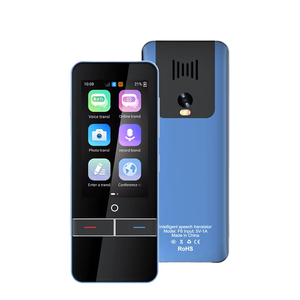

 1/3
1/3

About morse code translator
Where to Find Morse Code Translator Suppliers?
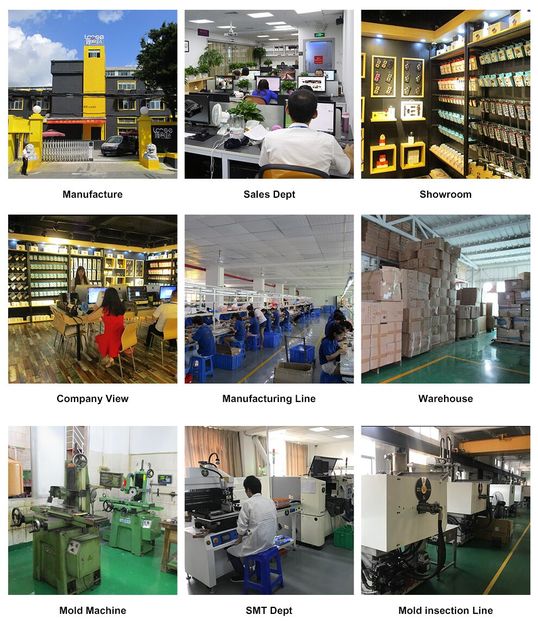
Manufacturing of electronic communication devices such as morse code translators is primarily concentrated in China’s Yangtze River Delta and Pearl River Delta regions, where dense electronics supply chains and specialized OEM/ODM ecosystems support rapid prototyping and scalable production. These industrial hubs—centered in Jiangsu, Zhejiang, and Guangdong provinces—host over 70% of China’s consumer electronics and embedded systems manufacturers, offering integrated access to PCB fabrication, surface-mount technology (SMT) lines, and firmware development resources.
Suppliers in these clusters benefit from proximity to semiconductor distributors, reducing component lead times by 20–35% compared to offshore alternatives. Vertical integration enables streamlined assembly of microcontroller-based units, with standard configurations typically incorporating ATmega or STM32 series chips, tactile keypads, LED/LCD indicators, and audio output modules. Average monthly production capacity for mid-tier facilities ranges from 10,000 to 50,000 units, supporting both bulk procurement and low-volume customized orders. Lead times for standard models average 25–35 days, extendable to 45–60 days for firmware-customized variants.
How to Choose Morse Code Translator Suppliers?
Procurement decisions should be guided by structured evaluation criteria to ensure technical reliability and supply chain continuity:
Quality Management Systems
Confirm adherence to ISO 9001 standards for consistent production processes. For suppliers targeting EU or North American markets, compliance with RoHS (Restriction of Hazardous Substances) and CE marking requirements is essential for regulatory clearance. Request test reports verifying electromagnetic compatibility (EMC) and product safety under IEC 62133 for battery-operated models.
Technical Production Capacity
Assess core manufacturing capabilities through the following benchmarks:
- Minimum 2,000m² facility with dedicated SMT and through-hole assembly lines
- In-house programming stations for firmware loading and device calibration
- Functional testing protocols covering signal accuracy, response latency, and power consumption
Validate throughput metrics against order volume requirements; suppliers handling >20,000 units/month should demonstrate automated optical inspection (AOI) systems and batch traceability logs.
Transaction and Compliance Safeguards
Utilize secure payment mechanisms such as third-party escrow services to mitigate risk during initial engagements. Review supplier export history, particularly shipments to regulated markets (EU, USA, Canada), to confirm experience with customs documentation and conformity assessment procedures. Pre-shipment verification should include sample testing for Morse encoding/decoding precision across variable input speeds (5–25 words per minute) and user interface responsiveness.
What Are the Best Morse Code Translator Suppliers?
| Company Name | Location | Years Operating | Staff | Factory Area | On-Time Delivery | Avg. Response | Ratings | Reorder Rate |
|---|---|---|---|---|---|---|---|---|
| Supplier data currently unavailable. Conduct market scanning via B2B platforms and industry directories to identify qualified manufacturers meeting technical and compliance benchmarks. | ||||||||
Performance Analysis
In the absence of verified supplier profiles, buyers should prioritize companies demonstrating documented experience in low-power embedded systems and digital signal processing applications. Historical performance indicators suggest that manufacturers with dedicated R&D teams (>15% technical staff) achieve higher customization success rates and lower field failure incidents. Emphasis should be placed on suppliers offering transparent production audits, real-time order tracking, and post-delivery technical support. Engage potential partners with requests for reference designs, bill of materials (BOM) breakdowns, and FCC/RoHS compliance dossiers to validate capability claims.
FAQs
How to verify morse code translator supplier reliability?
Cross-validate certifications through official databases (e.g., ISO CertSearch, EU NANDO). Request factory audit reports including process flowcharts, quality control checkpoints, and supplier qualification records. Evaluate customer feedback focusing on defect rates, firmware stability, and responsiveness to technical inquiries.
What is the average sampling timeline?
Standard sample production takes 12–18 days, inclusive of PCB assembly, firmware programming, and functional validation. Custom logic or bilingual decoding functions may require 25–35 days. Air freight adds 5–9 days depending on destination.
Can suppliers ship morse code translators worldwide?
Yes, experienced exporters manage international logistics via air or sea freight under FOB, CIF, or DDP terms. Confirm packaging standards (ESD-safe, moisture-resistant) and customs classification (HS Code 8517.62 for transmission apparatus) prior to shipment. Battery-equipped models must comply with UN38.3 for lithium content.
Do manufacturers provide free samples?
Sample cost recovery policies vary. Many suppliers waive fees for qualified buyers committing to minimum order quantities (typically ≥500 units). Otherwise, expect to cover 40–60% of unit cost plus shipping, refundable upon order confirmation.
How to initiate customization requests?
Submit detailed specifications including microcontroller type, language mapping (e.g., Latin/Greek/Cyrillic support), input method (keypad/footswitch/sensor), and power source (battery/rechargeable). Reputable suppliers respond with schematic proposals within 5 business days and deliver engineering prototypes in 3–5 weeks.





