Network Device Producer
















 1/3
1/3


 1/3
1/3

 1/3
1/3








 1/24
1/24


 1/5
1/5



 0
0



 0
0




 1/3
1/3

 1/1
1/1



 1/18
1/18


 0
0


 1/1
1/1


 1/33
1/33



 1/20
1/20



 1/3
1/3

About network device producer
Where to Find Network Device Producer Suppliers?
China remains the global epicenter for network device manufacturing, with Shenzhen emerging as the primary hub due to its concentrated ecosystem of electronics R&D, component sourcing, and export logistics. Over 70% of Alibaba’s verified network device producers are headquartered in Guangdong Province, particularly within Shenzhen’s Bao’an and Longgang districts, where integrated supply chains reduce production lead times by 25–40% compared to non-specialized regions.
This industrial clustering enables rapid prototyping and scalable production, supported by access to semiconductor distributors, PCB fabricators, and firmware development teams within a 10-km radius. Suppliers benefit from streamlined compliance testing through local labs accredited for FCC, CE, and RoHS standards. Buyers gain flexibility in order volume—ranging from single-unit samples to container-scale deployments—with average production cycles of 15–25 days for standard models and 30–45 days for customized enterprise-grade switches or wireless gateways.
How to Choose Network Device Producer Suppliers?
Procurement decisions should be guided by three core evaluation criteria:
Technical Compliance & Certifications
Verify adherence to international standards including IEEE 802.3 for Ethernet, 802.11 a/b/g/n/ac/ax for Wi-Fi, and IEC 60950 for safety. For regulated markets (EU, North America), confirm CE, FCC Part 15, and RoHS declarations. Request test reports for EMI/EMC, surge protection, and operating temperature ranges, especially for industrial routers or outdoor mesh units.
Production & Customization Capability
Assess supplier infrastructure through verifiable metrics:
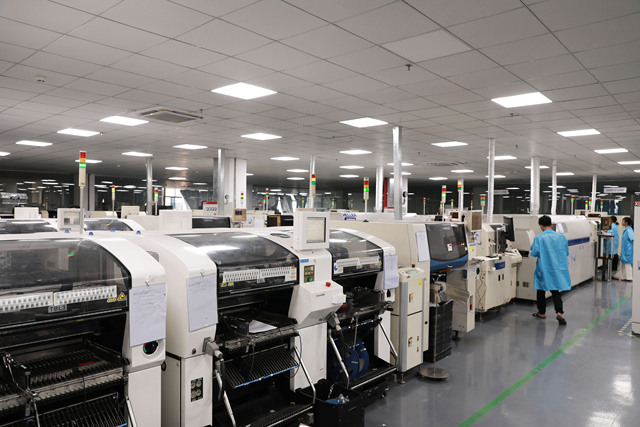
- Minimum 3,000m² factory area with SMT and DIP production lines
- In-house design capabilities for hardware layout, firmware customization, and cloud management integration
- Support for OEM/ODM services including logo printing, packaging redesign, and custom firmware branding
Cross-reference online revenue data and reorder rates (>15% indicates reliable performance) to gauge market acceptance and scalability.
Transaction Security & After-Sales Support
Prioritize suppliers offering transaction protection programs and documented quality control processes. Evaluate response time (≤2 hours is optimal) and on-time delivery rate (target ≥94%). Confirm availability of technical documentation, SDKs, and post-sale firmware updates, particularly for managed switches and cellular gateways.
What Are the Best Network Device Producer Suppliers?
| Company Name | Location | Verified Type | Main Products | Online Revenue | On-Time Delivery | Avg. Response | Reorder Rate | Min. Order Quantity |
|---|---|---|---|---|---|---|---|---|
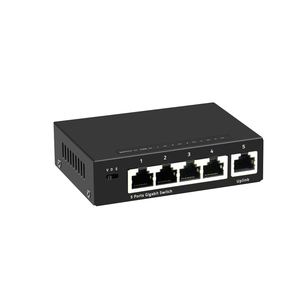
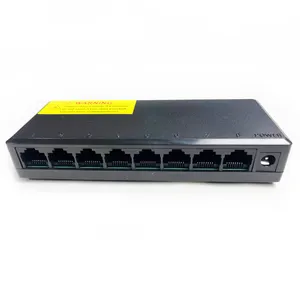
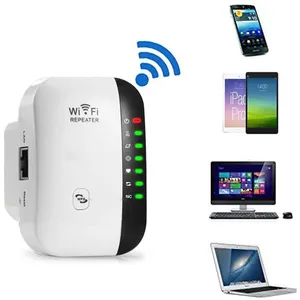
| Shenzhen Sunsoont Technology Co., Ltd. | Shenzhen, CN | Multispecialty Supplier | Unmanaged Switches, WiFi Extenders, Floor-Standing Equipment | US $320,000+ | 99% | ≤2h | 17% | 1–10 pcs |
| Shenzhen Zhibotong Electronics Co., Ltd. | Shenzhen, CN | Custom Manufacturer | Mesh Networking, Firewalls, 4G/5G Routers | US $570,000+ | 94% | ≤2h | <15% | 1–2 pcs |
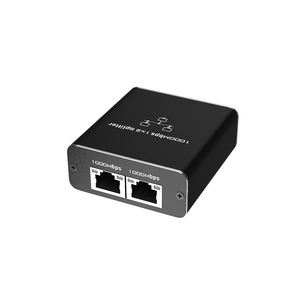
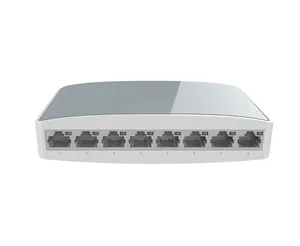
| Shenzhen Huigu Communication Technology Co., Ltd. | Shenzhen, CN | Not Specified | Gigabit Splitters, 5/8-Port Switches, Fiber Equipment | Data Unavailable | 100% | ≤2h | No Data | 1–10 pcs |
| Shenzhen I-Hirsmann Technology Co., Ltd. | Shenzhen, CN | Not Specified | Industrial Ethernet Switches, Enterprise Managed Switches | US $10,000+ | 100% | ≤2h | 15% | 1 pc |
| Xiamen Bivocom Technologies Co., Ltd. | Xiamen, CN | Not Specified | 4G/5G Industrial Routers, Edge Gateways, LTE Modems | US $40,000+ | 100% | ≤3h | 50% | 1 pc |
Performance Analysis
Shenzhen-based suppliers dominate in responsiveness and product range, with 100% on-time delivery recorded for three providers. Xiamen Bivocom stands out with a 50% reorder rate, indicating high customer retention likely driven by niche expertise in industrial IoT gateways and robust after-sales support. Shenzhen Huigu and I-Hirsmann demonstrate reliability in industrial networking segments, offering carrier-grade equipment with full delivery assurance. Suppliers like Sunsoont and Zhibotong offer low MOQs (as low as 1 piece), enabling cost-effective sampling and pilot deployments. For bulk procurement, prioritize companies with proven export histories and multi-standard compliance documentation.
FAQs
How to verify a network device producer’s technical capability?
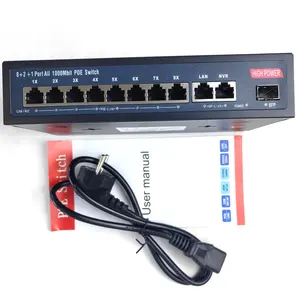
Request detailed specifications including switch chipsets (e.g., Realtek, Microchip), PoE standards (802.3af/at), and throughput benchmarks. Confirm firmware upgradability and management interfaces (CLI, SNMP, web GUI). Video audits of production and testing floors provide additional validation of operational maturity.
What is the typical lead time for custom network devices?
Standard products ship in 7–15 days. Custom designs (OEM branding, unique port configurations, specialized firmware) require 25–40 days, including prototype approval. Industrial or ruggedized variants may extend timelines by 10–15 days due to extended environmental testing.
Can suppliers comply with regional regulatory requirements?
Top-tier manufacturers pre-certify devices for key markets: CE (Europe), FCC (USA), IC (Canada), and SRRC (China). Confirm inclusion of required documentation (DoC, test reports) and labeling (CE mark, FCC ID). For public sector or enterprise tenders, demand full traceability of components and manufacturing records.
Do network device producers offer free samples?
Sample policies vary: some suppliers provide paid samples refundable against future orders, while others charge full cost for prototypes. Free samples are typically offered only after engagement on orders exceeding 50 units. Expect sample costs between $5–$200 depending on complexity.
What customization options are available from Chinese network device producers?
Common customization includes logo printing, tailored packaging, private-labeled firmware, cloud platform integration, and hardware modifications (port count, power input, mounting style). Advanced options include custom boot screens, API access, and security protocol adjustments. Confirm NDA coverage before disclosing sensitive design requirements.





