




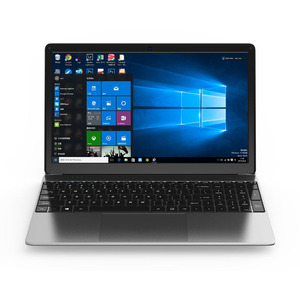


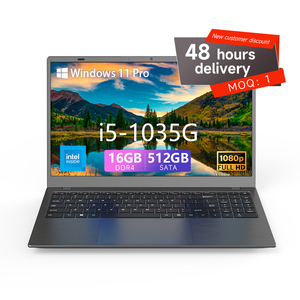


Notebook Computer Specifications













 Top sponsor listing




 1/2
1/2


 1/3
1/3



 1/3
1/3



 1/19
1/19

 0
0



 1/3
1/3




 1/37
1/37


 1/2
1/2


 0
0

 1/3
1/3


 1/3
1/3


 0
0



 1/30
1/30



 1/3
1/3


 0
0





 1/21
1/21



 1/19
1/19



 1/3
1/3




 1/1
1/1
About notebook computer specifications
Where to Find Notebook Computer Specifications Suppliers?
Global production of notebook computers is heavily concentrated in East Asia, with China, Taiwan, and South Korea serving as primary manufacturing hubs. Within China, industrial clusters in Guangdong, Jiangsu, and Shanghai provinces dominate electronics manufacturing, hosting over 70% of the country’s OEM/ODM laptop producers. These regions benefit from mature supply chains for core components—including displays, batteries, and semiconductor modules—reducing material procurement lead times by 25–40% compared to offshore alternatives.
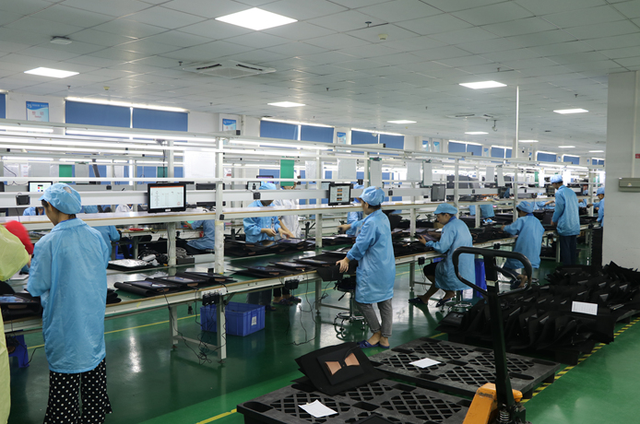
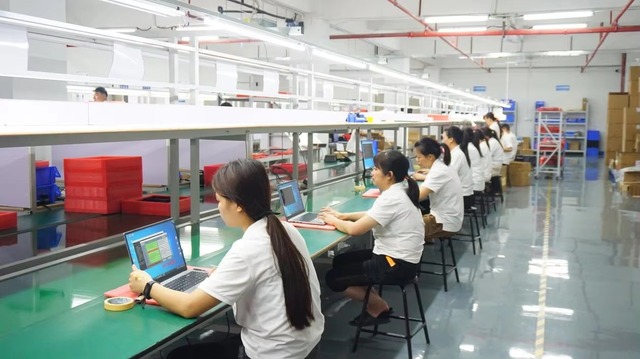
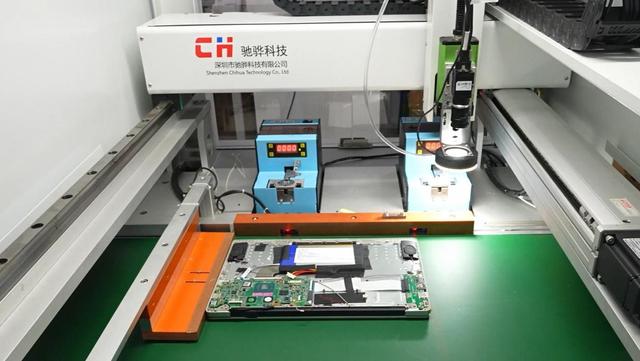
Integrated manufacturing ecosystems enable rapid prototyping and scalable production, supporting monthly outputs ranging from 10,000 to over 500,000 units per facility. Proximity to component suppliers—many located within 30km—allows just-in-time inventory management, minimizing warehousing costs. Buyers gain access to advanced SMT (Surface Mount Technology) lines, automated testing rigs, and full enclosure assembly capabilities, enabling compliance with international performance and safety benchmarks. Typical advantages include 18–30% lower unit costs, lead times of 35–50 days for bulk orders, and flexibility in configuration—from consumer-grade notebooks to ruggedized or thin-client variants.
How to Choose Notebook Computer Specifications Suppliers?
Implement rigorous evaluation criteria when selecting manufacturing partners:
Technical & Quality Compliance
Confirm adherence to ISO 9001 for quality management and ISO 14001 for environmental controls. For export to regulated markets, verify IEC 60950-1 (safety), FCC Part 15 Class B (EMI), CE, and RoHS compliance. Request test reports for battery systems (UN38.3 certification) and thermal performance under sustained load. UL listing is required for North American distribution.
Production Capability Assessment
Evaluate infrastructure and technical capacity through documented audits:
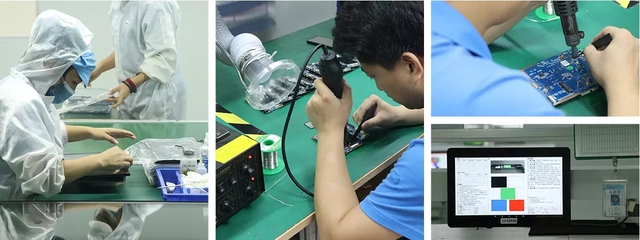
- Minimum 3,000m² cleanroom-equipped factory area with ESD-safe assembly zones
- In-house SMT, DIP, and final assembly lines with ≥95% first-pass yield rate
- Dedicated R&D team (minimum 8% of workforce) capable of firmware integration and BIOS customization
Validate scalability via historical order data—target suppliers with proven volume delivery (≥50,000 units/month) and on-time shipment rates exceeding 96%.
Procurement Risk Mitigation
Utilize secure transaction models such as third-party escrow or letter of credit (L/C) terms for initial orders. Prioritize suppliers with traceable component sourcing (preferred use of Tier-1 ICs from Intel, AMD, Samsung) and counterfeit prevention protocols. Conduct pre-shipment inspections (AQL Level II) to verify build quality, cosmetic standards, and functional accuracy. Sample validation should include stress testing across CPU, GPU, storage, and wireless modules.
What Are the Best Notebook Computer Specifications Suppliers?
No supplier data is currently available for analysis. Procurement professionals are advised to initiate supplier discovery through verified trade directories, industry exhibitions (e.g., COMPUTEX, CES), or government-endorsed manufacturer registries. Focus on enterprises with documented export histories to North America, EU, or Japan, as these typically maintain higher compliance thresholds. Use RFQ campaigns to benchmark technical responsiveness, documentation completeness, and quotation transparency.
Performance Analysis
In absence of specific supplier profiles, emphasis should be placed on operational maturity indicators: facilities with vertical integration (PCB fabrication, metal stamping, injection molding) demonstrate greater control over cost, lead time, and defect rates. Suppliers offering configurable SKUs—such as RAM/storage combinations, OS preloads, or biometric module integration—indicate stronger engineering support. For specialized applications (industrial, military, medical), confirm MIL-STD-810G or IP-rated durability testing capabilities prior to engagement.
FAQs
How to verify notebook computer supplier reliability?
Cross-validate certifications with issuing bodies and request factory audit reports (e.g., TÜV, SGS). Assess financial stability through business registration records and bank references. Analyze customer testimonials focusing on post-warranty support, firmware update frequency, and defect resolution timelines.
What is the average sampling timeline?
Standard sample builds require 10–20 days, depending on component availability. Custom configurations involving unique chassis molds or discrete GPU integration may extend to 35 days. Air freight adds 5–9 days for international delivery.
Can suppliers ship notebook computers worldwide?
Yes, experienced manufacturers manage global logistics under FOB, CIF, or DDP terms. Lithium battery shipments must comply with IATA Dangerous Goods Regulations. Sea freight is optimal for container loads (>500 units), while air courier suits urgent samples or low-volume consignments.
Do manufacturers provide free samples?
Sample policies vary. Established suppliers may refund sample fees upon placement of full production orders (typically MOQ ≥1,000 units). Otherwise, expect to cover 50–70% of unit cost plus shipping, especially for customized builds.
How to initiate customization requests?
Submit detailed specifications including processor family, memory type, display resolution, I/O layout, chassis material, and OS requirements. Leading suppliers offer ECAD file review, thermal simulation, and 3D mockups within 5–7 business days. NRE charges apply for mold development or custom PCB design.





