One For All Remote Codes


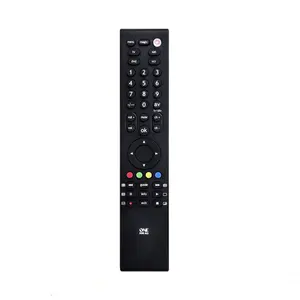

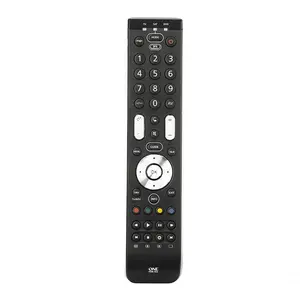
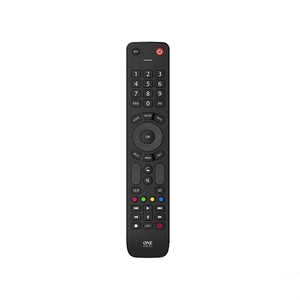
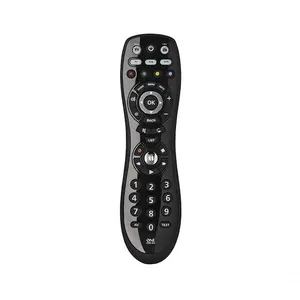


 1/3
1/3



 1/3
1/3


 0
0



 1/3
1/3



 1/2
1/2




 1/3
1/3








 1/19
1/19



 1/19
1/19




 1/1
1/1



 1/1
1/1


 1/3
1/3




 1/15
1/15



 1/3
1/3



 1/13
1/13


 1/3
1/3




 1/3
1/3


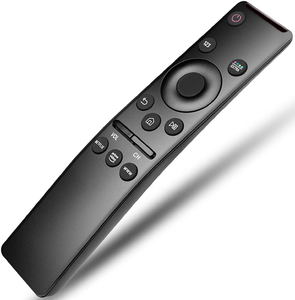
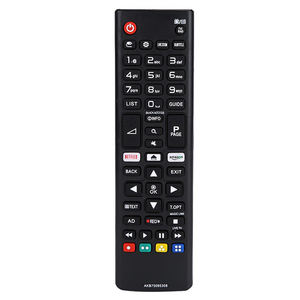

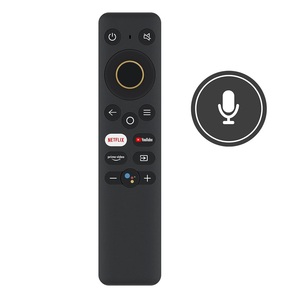
 1/1
1/1



 0
0


 1/3
1/3




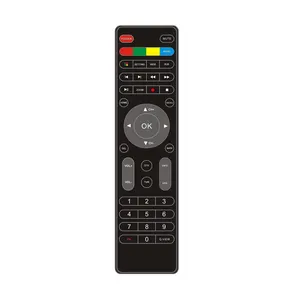
 1/1
1/1
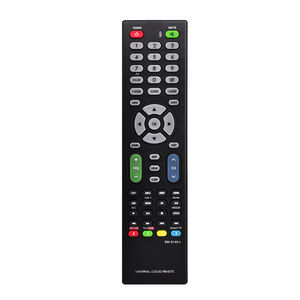
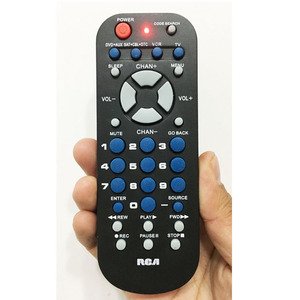
About one for all remote codes
Where to Find One for All Remote Codes Suppliers?
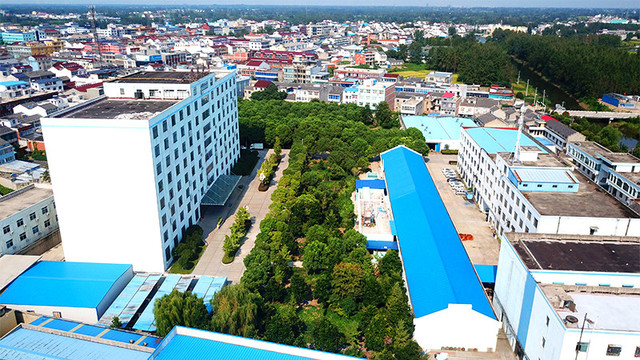
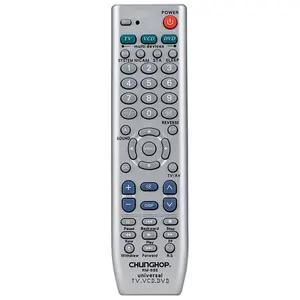
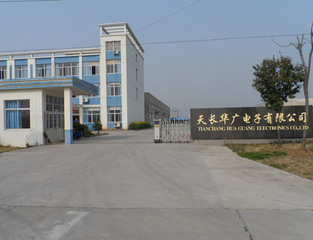
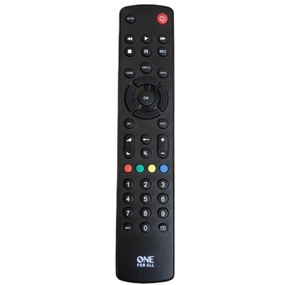
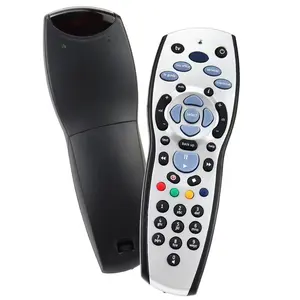
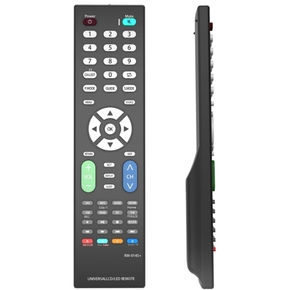
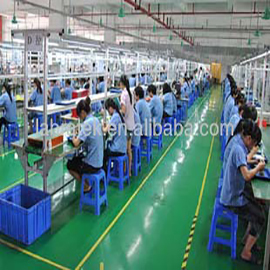
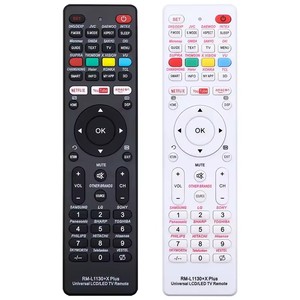
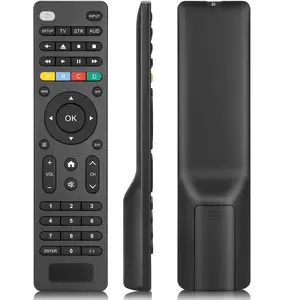
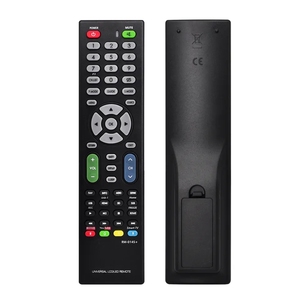
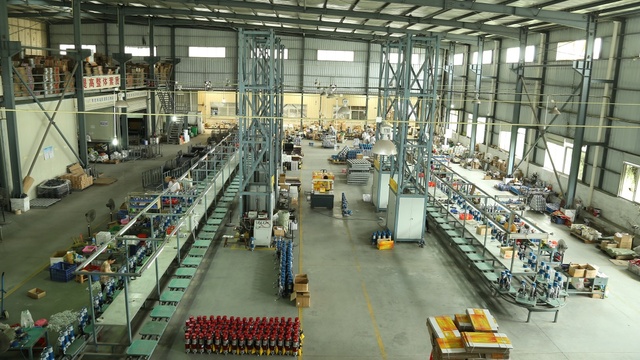
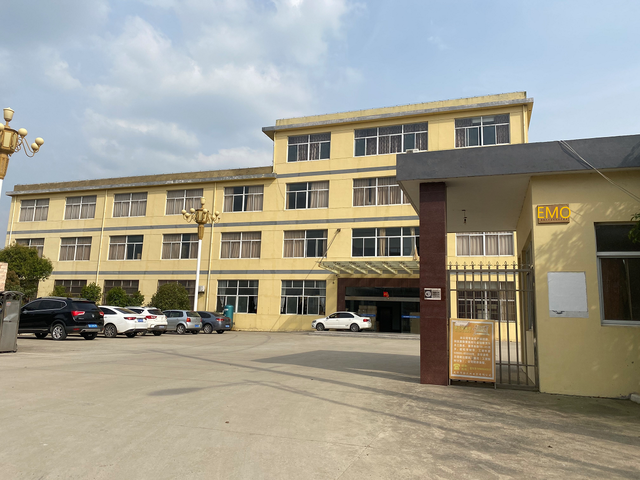
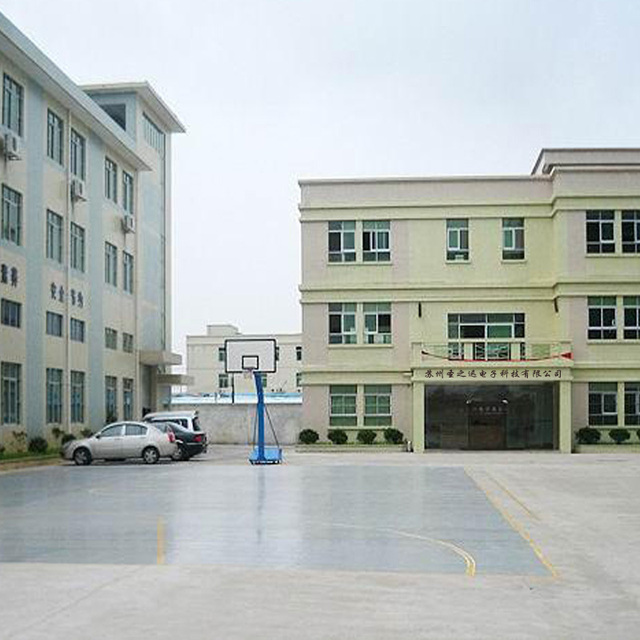
China remains the central hub for universal remote control manufacturing, with key production clusters concentrated in Guangdong and Anhui provinces. These regions host vertically integrated supply chains that streamline component sourcing, assembly, and export logistics. Shenzhen, within Guangdong, specializes in smart and programmable remote systems, leveraging proximity to semiconductor suppliers and advanced SMT production lines. Tianchang in Anhui has evolved into a dedicated electronics manufacturing base, particularly for infrared (IR) and radio frequency (RF) remote controls, supported by localized tooling, injection molding, and PCB fabrication networks.
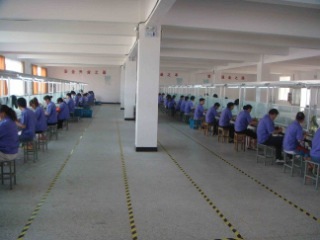
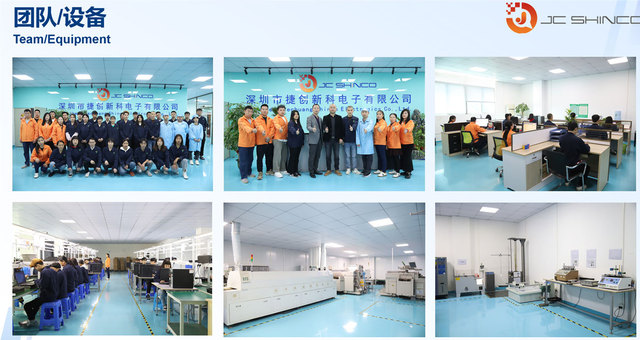
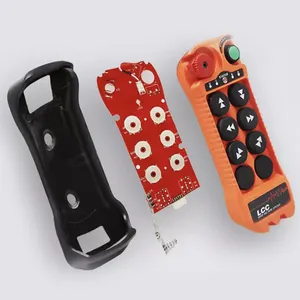
The industrial ecosystem enables cost efficiency and rapid scaling, with many suppliers operating end-to-end production facilities covering circuit design, firmware programming, plastic housing injection, and final assembly. This integration reduces lead times to 15–25 days for standard orders and supports MOQs as low as 2 pieces for select models. Buyers benefit from competitive pricing due to economies of scale, with unit costs ranging from $0.69 to $3.00 depending on functionality, volume, and customization level.
How to Choose One for All Remote Codes Suppliers?
Selecting reliable suppliers requires systematic evaluation across technical, operational, and transactional criteria:
Technical Capability Verification
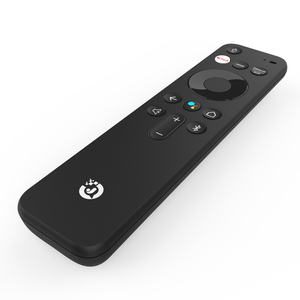
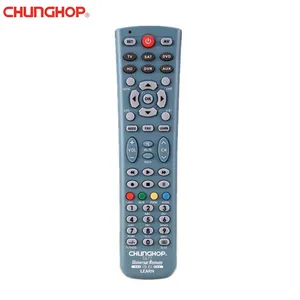
Confirm compatibility with major TV, set-top box, and streaming device brands through pre-programmed code databases. Suppliers should provide access to updated code lists or software tools for customer validation. For universal remotes branded under "One for All" or similar designations, verify firmware flexibility—ability to update or customize device codes upon request. Infrared signal accuracy and button response consistency are critical quality indicators.
Production Infrastructure Assessment
Evaluate supplier capabilities based on the following benchmarks:
- Minimum monthly output capacity exceeding 50,000 units
- In-house PCB assembly and plastic injection molding
- Firmware programming and functional testing stations
Cross-reference delivery performance data; prioritize suppliers with on-time delivery rates above 90% and response times under 6 hours.
Quality & Transaction Assurance
While formal certifications like ISO 9001 or RoHS compliance are not universally documented in available data, assess quality through reorder rates (indicating customer satisfaction) and online sales volume. Utilize secure payment mechanisms such as escrow services to mitigate risk. Request physical samples to test build quality, button tactility, battery compartment integrity, and IR signal range before placing bulk orders.
What Are the Best One for All Remote Codes Suppliers?
| Company Name | Main Products | Online Revenue | On-Time Delivery | Reorder Rate | Avg. Response | MOQ | Unit Price Range |
|---|---|---|---|---|---|---|---|
| Tianchang Haorong Electronic Technology Co., LTD | Remote Controls, Satellite TV Receivers | US $130,000+ | 91% | 29% | ≤6h | 1,000 pcs | $2.00–$3.00 |
| Tianchang Lida Electronics Co., Ltd. | Remote Controls, Set-top Box, Early Learning Books | US $900+ | 83% | 20% | ≤5h | 2 pcs | $1.00–$2.58 |
| Shenzhen Boyueda Industrial Co., Ltd. | Remote Controls | US $20,000+ | 78% | 23% | ≤1h | 10 pcs | $0.69–$2.18 |
| Yangzhou Beyond Electronics Co., Ltd. | Remote Controls, Satellite TV Receivers | US $3,000+ | 66% | <15% | ≤16h | 1 pc | $0.20–$0.78 |
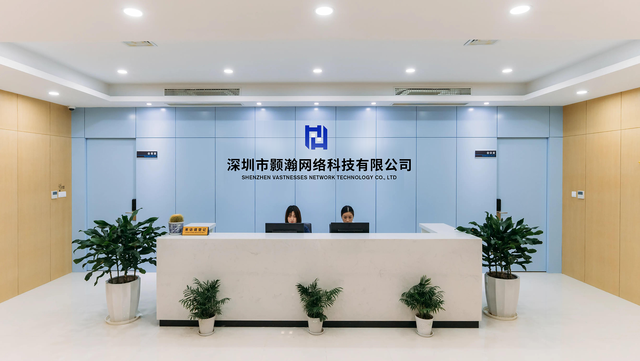
| Shenzhen Vastnesses Network Technology Co., Ltd. | Remote Controls | US $120,000+ | 97% | 40% | ≤3h | 100 pcs | $0.78–$2.18 |
Performance Analysis
Shenzhen Vastnesses Network Technology stands out with a 97% on-time delivery rate and the highest reorder rate at 40%, indicating strong buyer retention and fulfillment reliability. Despite higher MOQs, Tianchang Haorong and Shenzhen Vastnesses report significant online revenue, suggesting consistent export activity and market trust. Tianchang Lida and Yangzhou Beyond offer the lowest MOQs—down to 2 and 1 piece respectively—making them suitable for small-scale testing or niche distribution. However, Yangzhou Beyond’s 66% on-time delivery rate presents a logistical risk for time-sensitive procurement.
Suppliers in Shenzhen demonstrate faster average response times (≤3h), benefiting from digital-first operations, while Anhui-based manufacturers offer lower prices due to reduced labor and overhead costs. For high-volume buyers, prioritizing suppliers with proven scalability and delivery consistency is recommended. For prototyping or limited runs, low-MOQ suppliers provide entry points with manageable financial exposure.
FAQs
How to verify one for all remote codes supplier reliability?
Analyze on-time delivery percentage, reorder rate, and response time as proxies for operational efficiency. Request product specifications, firmware details, and sample units to assess technical accuracy. Check for consistency in packaging, labeling, and included documentation to gauge professionalism.
What is the typical lead time for bulk orders?
Standard production lead time ranges from 15 to 25 days after order confirmation, depending on order size and customization requirements. Add 5–10 days for air freight or 25–40 days for sea shipping to international destinations.
Can suppliers provide custom programming or branding?
Yes, most suppliers support OEM/ODM services including logo printing, color customization, user manual localization, and pre-loaded device code sets. Minimum volumes may apply, typically starting at 1,000 units for full customization.
Do suppliers offer free samples?
Sample availability varies. Some suppliers provide paid samples ($5–$15 each, refundable upon bulk order), while others may offer one free sample per model for serious buyers. Shipping costs are generally borne by the buyer.
Are universal remotes compatible with all TV brands?
Most models support major brands such as Samsung, LG, Sony, Panasonic, and Toshiba via built-in code libraries. Compatibility depends on correct code entry; suppliers should provide code lookup guides or online support tools for end-user setup.





